
Benefits of Slow Fashion: A 2026 Guide
Table of Contents
- What Slow Fashion Means and How It Differs from Fast Fashion
- Environmental and Resource Benefits of Slow Fashion
- Ethical Labor and Fair Working Conditions
- Sustainable Clothing Materials and Responsible Sourcing
- Quality, Durability, and Long-Term Value
- How to Build a Sustainable Wardrobe on Your Budget
- How to Care for Clothes So They Last
- Supporting Local Communities and Economies
- Frequently Asked Questions
Last Updated: October 21, 2026
What Slow Fashion Means and How It Differs from Fast Fashion
The difference comes down to intent. Fast fashion operates on the assumption that clothes are disposable. Slow fashion operates on the opposite principle: each piece should be worn repeatedly, cared for properly, and designed to last years rather than seasons.

At JazzySuSu, we've built our entire approach around slow fashion principles. Our curated collection of vintage-inspired fashion and handpicked jewelry reflects this philosophy. Every piece is selected for timelessness and quality, not fleeting trends. When you invest in thoughtfully chosen items, you're not just buying clothes, you're building a wardrobe that works harder and lasts longer.
The slow fashion movement asks a fundamental question that fast fashion never does: What happens to clothes after we stop wearing them? Understanding this question changes how you shop. It changes what you value. It changes what you're willing to pay.
Environmental and Resource Benefits of Slow Fashion
Reduced pollution, waste, and carbon emissions
When you buy less and choose quality pieces designed to last, you directly reduce the demand for new production. Every garment not manufactured is water not consumed, chemicals not dumped, and emissions not released into the atmosphere.
The textile industry ranks among the world's largest polluters (Circular Economy and Sustainability of the Clothing and Textile Industry). Dyeing and finishing fabrics consumes enormous quantities of water and chemicals. Manufacturing requires energy at every stage.
Slow fashion changes the math. A piece worn 100 times instead of 10 times divides that environmental cost by ten. The same garment, worn longer, becomes dramatically more sustainable simply through extended use.
Textile waste represents another massive environmental problem. By choosing durable pieces and wearing them longer, you eliminate this waste stream entirely.
Conservation of water, energy, and raw materials
Cotton production alone consumes vast quantities of water. The pesticides used in conventional cotton farming contaminate soil and waterways. Synthetic fibers derived from petroleum require energy-intensive extraction and processing. Every stage of garment production demands resources.
When you prioritize slow fashion, you're prioritizing conservation at every step. Fewer new garments means fewer resources extracted from the earth. Durable pieces mean raw materials aren't wasted on replacements. Supporting responsible production methods means water is used more efficiently and chemicals are minimized.
The choice to buy less is itself a conservation strategy. It's the most direct way to reduce resource consumption. When you build a wardrobe intentionally, selecting pieces that work together, that match your lifestyle, that you genuinely love, you eliminate impulse purchases and wasteful buying patterns.
Ethical Labor and Fair Working Conditions
Fast fashion's speed depends on cheap labor. Garments are produced in factories where workers face long hours, unsafe conditions, and wages that don't meet basic living costs.
Slow fashion rejects this model entirely. It prioritizes supply chain transparency and fair wages for garment workers. When production slows, workers have reasonable hours and safer conditions.
The ethical dimension of slow fashion extends beyond wages. It includes safe working conditions, reasonable hours, freedom from harassment, and respect for workers' rights.
This is why slow fashion often costs more than fast fashion. The price difference reflects actual labor costs.
Supporting ethical labor practices also supports local communities. When production happens locally or in regions where the brand directly manages quality standards, money stays in those communities. Workers have stable employment and can support their families.
Sustainable Clothing Materials and Responsible Sourcing
The materials used to make clothes matter as much as the production methods. Natural fibers like organic cotton, linen, and wool require fewer chemical inputs than conventional alternatives. They biodegrade at end-of-life rather than persisting in landfills for decades.
Responsible sourcing means knowing where materials come from. It means verifying that suppliers follow environmental standards and labor practices. It means building relationships with producers rather than treating them as interchangeable vendors.
Vintage and secondhand fashion represents the ultimate in sustainable materials. These pieces have already been produced. Buying them means extending their useful life rather than creating demand for new production.
When evaluating clothing materials, look for transparency. Brands that practice slow fashion are willing to explain where their materials come from, how they're produced, and what standards are maintained.
Quality, Durability, and Long-Term Value
The fundamental promise of slow fashion is durability. A well-made garment should last for years of regular wear. This requires attention to construction details: seams should be strong, fabrics should be substantial, and finishes should withstand washing and wearing.
Quality shows in how clothes are made. Double-stitched seams hold better than single stitches. Natural fibers often perform better over time than cheap synthetics. Proper fabric weight means garments don't thin out or pill after a few wears.
The concept of cost per wear transforms how you think about clothing spending. A $50 shirt worn twice has a cost per wear of $25. A $100 shirt worn 200 times has a cost per wear of 50 cents.
This is where slow fashion creates real economic sense. You spend more per item but fewer items overall. Your wardrobe becomes smaller but more functional.
How to Build a Sustainable Wardrobe on Your Budget
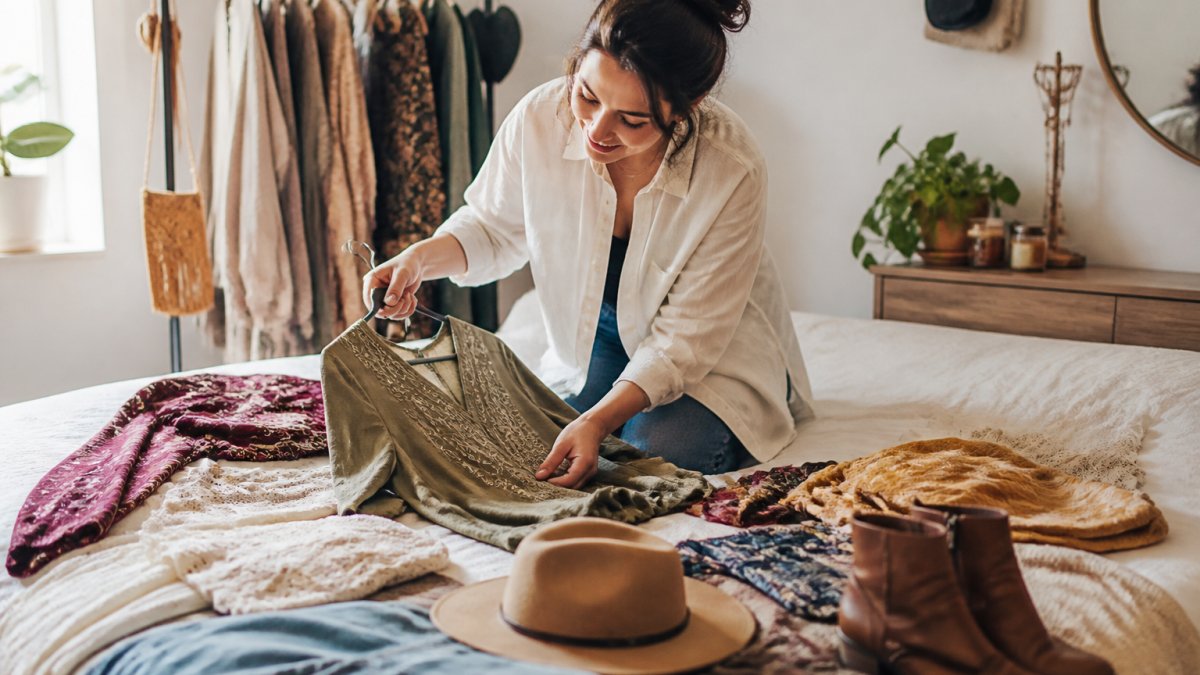
Building a slow fashion wardrobe doesn't require unlimited spending. It requires intentionality. Start by assessing what you actually wear.
Handmade Crochet Floral Sweet Cardigan Sweater | NCS →
Buy less frequently but invest in better quality when you do purchase.
Vintage and secondhand shopping aligns perfectly with slow fashion principles. Vintage-inspired collections like those at JazzySuSu offer curated options that blend quality with affordability. The Handmade Crochet Floral Sweet Cardigan Sweater at $43.80 exemplifies this approach, a handmade piece designed for repeated wear.

Start with basics that work with everything: well-fitting jeans, neutral tops, versatile outerwear. Build around these foundations with pieces you genuinely love. Avoid buying items just because they're on sale or trendy.
Focus on pieces that reflect your actual lifestyle. If you work in a corporate environment, invest in quality professional pieces. If you're more casual, prioritize comfortable, durable everyday wear.
How to Care for Clothes So They Last
Proper care extends garment life dramatically. Washing in cold water reduces fading and fiber damage. Washing less frequently, spot-cleaning instead of full washes when possible, preserves fabrics longer.
Drying matters as much as washing. Air-drying prevents shrinkage and damage from heat. It's gentler on fibers and extends the life of elastic and synthetic components.
Storage affects longevity too. Fold heavier knits rather than hanging them, which stretches the shoulders. Use hangers for structured pieces like blazers and dresses.
Small repairs prevent small problems from becoming reasons to discard garments. A loose button, small tear, or unraveling seam can be fixed quickly.
Pilling on knits doesn't mean the garment is damaged. A fabric shaver removes pills and restores appearance. Stains often come out with proper treatment. Garments can be refreshed rather than replaced.
Supporting Local Communities and Economies
When slow fashion production happens locally or in specific regions where the brand maintains direct relationships, money circulates within those communities. Workers have stable employment.
This creates a positive feedback loop. Stronger local economies mean better working conditions, safer facilities, and more stable employment. Workers can demand fair wages and reasonable hours.
Global supply chains often obscure where money actually goes. Local production creates transparency. You know your money is supporting real people in specific communities.
Supporting local production also reduces transportation emissions. Goods don't travel as far, which means lower carbon footprint and fresher arrival times.
When you choose slow fashion, you're choosing to support economic models that benefit workers and communities.
Building a slow fashion wardrobe is an investment in quality, sustainability, and ethics. It requires thinking differently about what you buy and why.
At JazzySuSu, we believe slow fashion isn't a luxury for the wealthy. Our carefully curated collection of vintage-inspired pieces and handpicked jewelry is designed for repeated wear and lasting style.
Frequently Asked Questions
What counts as slow fashion?
Slow fashion refers to clothing designed, produced, and purchased with intention and care. It prioritizes quality over quantity, emphasizes garment durability and longevity, and supports ethical labor and environmental responsibility. Unlike fast fashion's rapid trend cycles, slow fashion pieces are meant to be worn repeatedly over years. This includes vintage-inspired items, handcrafted garments, and pieces made from sustainable materials with transparent supply chains.
How can slow fashion help the environment?
Slow fashion reduces environmental impact by decreasing textile waste, lowering water and energy consumption, and minimizing pollution from production. When you buy fewer, higher-quality garments that last longer, you reduce the demand for constant manufacturing. Slow fashion also prioritizes eco-friendly materials and responsible sourcing, which conserves raw materials and reduces carbon emissions. By shifting from overconsumption to mindful consumption, slow fashion directly addresses the waste generated by the clothing industry.
Is slow fashion better quality than fast fashion?
Yes. Slow fashion emphasizes high-quality garments crafted from durable materials designed to withstand repeated wear and washing. Fast fashion prioritizes low cost and rapid production, which typically results in lower-quality construction and materials that deteriorate quickly. Slow fashion pieces are often handmade or produced with greater attention to detail, using natural fibers and superior craftsmanship. The higher upfront cost of slow fashion reflects better quality, pieces last years rather than months, making the cost per wear significantly lower over time.
How can slow fashion save money?
While slow fashion items cost more upfront, they save money long-term through durability and longevity. A $43.80 handmade crochet cardigan worn for five years costs less per wear than a $15 fast fashion top worn a few times. You also spend less on replacement purchases and avoid the cycle of constantly buying new clothes. Building a sustainable wardrobe with versatile, timeless pieces reduces impulse shopping and helps you make intentional purchases that actually work with your existing wardrobe.
Can secondhand clothing be part of slow fashion?
Absolutely. Secondhand and vintage clothing are core to slow fashion philosophy. Buying pre-owned garments extends garment longevity, reduces demand for new production, and supports a circular economy. Vintage-inspired pieces, whether newly made or pre-owned, align with slow fashion values of quality, intentional shopping, and reduced overconsumption. Reselling or donating garments when you're done wearing them also keeps clothing in circulation longer, further reducing textile waste and environmental impact.
How do I know if clothing is actually sustainable?
Look for supply-chain transparency: brands should disclose where and how garments are made. Check for certifications from reputable organizations, information about labor practices and fair wages, and details about materials used. Evaluate the garment itself, quality construction, natural fibers, and timeless design indicate longevity. Be skeptical of vague claims like 'eco-friendly' without specifics. Curated retailers like JazzySuSu that handpick vintage-inspired pieces prioritize quality and intentional sourcing, making it easier to find garments designed to last.
What's the difference between slow fashion and sustainable fashion?
Slow fashion and sustainable fashion overlap but aren't identical. Sustainable fashion focuses on minimizing environmental and social harm throughout production. Slow fashion emphasizes intentional consumption, quality, and longevity, buying less, choosing well-made pieces, and keeping garments longer. All slow fashion should be sustainable, but not all sustainable practices guarantee slow fashion principles. Slow fashion is also about mindful consumption and building a personal connection to your wardrobe, whereas sustainable fashion can include fast-moving sustainable brands.
Why should I choose slow fashion over fast fashion?
Slow fashion benefits you, workers, and the environment. You get higher-quality garments that last years, save money long-term, and build a wardrobe you actually love wearing. Workers in slow fashion supply chains typically earn fair wages and work in safer conditions. Environmentally, slow fashion reduces pollution, conserves water and energy, and decreases textile waste. By choosing intentional, durable pieces like the handmade crochet cardigans and vintage-inspired items from JazzySuSu, you support responsible production and reduce your participation in overconsumption cycles.