
Budget-Friendly Alternatives to Designer Vintage Fashion
Table of Contents
- Why Designer Vintage Costs So Much (And What You're Really Paying For)
- How to Spot Quality Vintage-Inspired Pieces Before You Buy
- Affordable Vintage-Inspired Pieces That Nail the Look
- Mixing Vintage and Modern Styles Without Looking Costumey
- Vintage-Inspired Fashion Trends Worth Buying in 2026
- Sustainable Wardrobe Building Tips for Vintage Lovers
- Frequently Asked Questions
Last Updated: September 30, 2026
Why Designer Vintage Costs So Much (And What You're Really Paying For)
Designer vintage carries a price tag driven less by fabric than by scarcity, provenance, and story. A 1970s Halston gown or 1960s Chanel suit is wearable fashion history, and the market prices it accordingly.
Limited supply is the biggest cost driver. These pieces were made in small runs decades ago, and many haven't survived in wearable condition. Add authentication, restoration, and dealer markups, and you're paying for far more than the garment.
Here's what most guides get wrong: the premium often has nothing to do with quality. A 1980s designer label doesn't guarantee better construction than a well-made contemporary piece. You're buying the name, the era, and the exclusivity, a legitimate reason to spend, but worth knowing the difference between craftsmanship and a label.
This is where budget-friendly alternatives to designer vintage become smart: you capture the same aesthetic and timeless design language without the auction-house pricing.
How to Spot Quality Vintage-Inspired Pieces Before You Buy
Quality vintage-inspired clothing reveals itself in seconds if you know where to look. Construction tells you what marketing copy won't, here's how to separate a piece built to last from one that pills apart by the third wash.
Read the Fiber Content First
Start with the fabric. Natural fibers like cotton, linen, wool, and silk age gracefully and feel substantial. Synthetic blends pill faster and rarely develop the soft patina that makes vintage-inspired pieces feel lived-in. Don't assume all cotton is equal, look for a tight, even weave with no thin spots.
- Cotton and linen smell like burning paper and leave soft gray ash that crumbles.
- Wool and silk smell like burning hair and leave a brittle black bead that crushes easily.
- Polyester and nylon melt rather than burn, smell chemical, and leave a hard plastic bead.
Era-Specific Tells That Reveal Quality
Different decades solved construction problems differently, and those solutions are your shortcut to judging a piece.
- 1950s and 1960s: Look for metal zippers (often Talon or YKK), bound or pinked seam finishes, and self-fabric facings. Metal zippers outlast plastic by decades.
- 1970s: Expect more polyester and double-knit. Check that the knit hasn't bagged out at the elbows or seat, once double-knit loses its memory, it doesn't come back.
- 1980s and 1990s: Look for serged seams and shoulder pads. Serging is fast but can unravel if the thread breaks, so tug a seam gently to test it.
The 30-Second Construction Check
- Fabric weight: Hold it to light. If you can see through it easily, it's thin and prone to wear.
- Stitch density: Tight, consistent stitches (roughly 10 to 12 per inch) signal care; loose, uneven ones signal shortcuts.
- Seam finish: Turn it inside out. Finished seams (serged, bound, or French) last longer than raw edges.
- Button security: Give each button a gentle tug. Loose buttons mean rushed production.
- Zipper feel: A quality zipper glides smoothly without catching.
- Pattern matching: On prints and plaids, check that the pattern lines up across seams. Matching costs extra fabric and labor, so it's a reliable quality signal.
The Sizing Trap Nobody Warns You About
Vintage and vintage-inspired sizing doesn't map cleanly to modern labels. A 1950s size 12 is closer to a modern 6 to 8, and a 1970s size 10 often fits like a modern 6. Never trust the tag: measure your bust, waist, and hip, then compare to the garment's flat measurements doubled. If a seller lists only a size label, ask before you buy.
Affordable Vintage-Inspired Pieces That Nail the Look
The best affordable vintage-inspired pieces combine retro silhouettes with modern construction, the look without the fragility of true vintage. Focus on era-defining shapes, not exact reproductions.
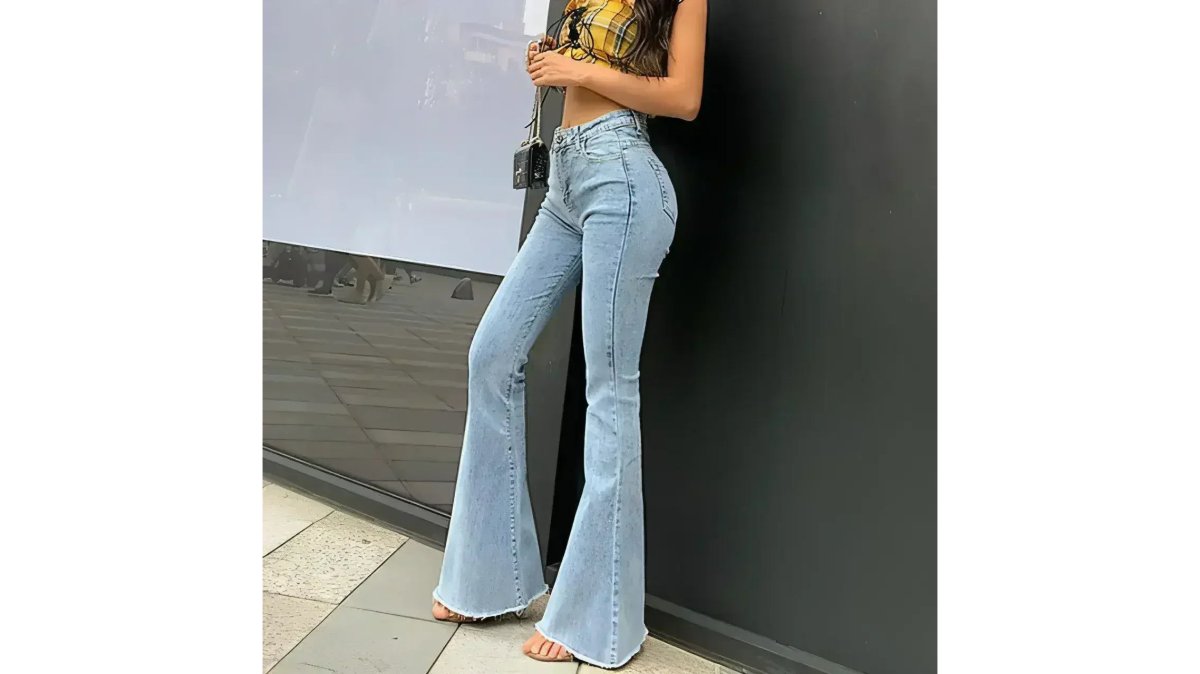
| Piece | Price | Best For | Key Detail |
|---|---|---|---|
| RetroCurve™ Flare Jeans | $68.99 | Everyday retro styling | High-rise, stretch cotton blend |
| Painted Floral Vintage Dress | $89.99 | Day-to-evening wear | 100% cotton, hidden pockets |
| Wildflower Vintage Dress | $89.99 | Garden parties, brunch | 1950s silhouette, back zip |
| Vintage Charm Layered Necklace | $36.25 | Layering without effort | Three chains, gold plated |
| Secret Garden Key Necklace | $18.75 | Subtle vintage detail | Floral key pendant, lead free |
Mixing Vintage and Modern Styles Without Looking Costumey
Watch proportion too. Vintage silhouettes emphasize specific shapes, the nipped 1950s waist, the relaxed 1970s drape. Balance those with modern proportions: a full vintage skirt works with a fitted modern top, and wide-leg vintage jeans balance a cropped contemporary tee.

Vintage-Inspired Fashion Trends Worth Buying in 2026
Vintage-inspired fashion trends in 2026 lean toward wearable nostalgia rather than literal reproductions, the strongest translate easily into everyday wardrobes.
Button Charm Golden Necklace Set →
Sustainable Wardrobe Building Tips for Vintage Lovers
Sustainable wardrobe building starts with a mindset shift: buy fewer pieces, choose them carefully, wear them repeatedly. That's the core of slow fashion, and it aligns with the vintage aesthetic. Here's how to source budget-friendly vintage and fold it into a wardrobe that works together.
Where to Source Vintage on a Budget
Thrifting is the headline, but the real savings live in less obvious channels.
- Estate sales: Often the cheapest source of true vintage because sellers want to clear a house, not maximize a single garment. Go on the final day, when many sellers discount remaining inventory.
- Online resale marketplaces: Search by era and measurement rather than size label. Saved searches like '1970s wool coat' or '1950s cotton dress' surface pieces before they trend.
- Consignment and charity shops: Inventory turns weekly, so a regular route beats a one-time visit.
- Local vintage fairs and flea markets: Best for trying pieces on before you buy, which matters given vintage sizing.
Build a Retro Capsule, Not a Costume Rack
The biggest mistake vintage lovers make is buying one-off statement pieces that never combine. Build a small, interchangeable capsule where every piece works with at least three others.
A workable retro capsule might include:
- One structured jacket (a 1950s-style cropped jacket or a 1970s blazer)
- Two bottoms (high-waisted flare jeans and an A-line midi skirt)
- Three tops (a fitted knit, a button-down blouse, a simple tee)
- One dress that works for day and evening
- Two accessories (a layered necklace and a scarf or belt)
Care and Maintenance That Extends Life
Sustainability is mostly about keeping what you own in rotation.
- Wash natural fibers less often and in cold water.
- Air-dry wool and silk flat to preserve shape.
- Store knits folded, not hung, to prevent shoulder stretch.
- Mend small holes and replace buttons early, before they become unwearable.
Frequently Asked Questions
How can I achieve a designer vintage look without the high price tag?
Focus on silhouette and detail rather than brand labels. High-waisted flare jeans, vintage-inspired dresses with structured tailoring, and layered gold necklaces deliver the same visual impact as designer vintage at a fraction of the cost. Look for pieces made from natural fibers like 100% cotton, check for quality construction such as functional pockets and clean zipper closures, and build around a few statement items. Mixing vintage-inspired pieces with modern basics stretches your wardrobe further and keeps the look intentional rather than costumey.
What are the best ways to mix vintage and modern styles?
Anchor one vintage-inspired piece with modern staples. Pair high-waisted flare jeans with a plain white tee and clean sneakers, or wear a 1950s-inspired floral dress with a modern leather jacket. Keep accessories deliberate: a layered vintage charm necklace works with both a casual daytime outfit and an evening look. The goal is contrast, so if your top half is retro, keep the bottom half modern, and vice versa. This approach prevents the outfit from reading as period-accurate costume.
How do I identify high-quality vintage-inspired clothing?
Check three things: fabric content, construction, and finishing. Natural fibers like cotton breathe better and hold up over repeated wears compared to synthetic blends. Look for even stitching, secure buttons, and functional hardware. Hidden pockets, lined bodices, and back zipper closures signal extra care in manufacturing. If a piece feels flimsy or the seams pucker, it will not survive regular wear. Quality vintage-inspired pieces are built to last years, not a single season.
What is the 3-3-3 rule for building a sustainable wardrobe?
The 3-3-3 rule suggests buying three items you can wear three different ways for at least three years. Applied to vintage-inspired fashion, that means choosing pieces like a floral dress that works for brunch, a wedding, and the office, or flare jeans that pair with crop tops, blouses, and sweaters. This framework reduces impulse purchases and ensures every item earns its place. It aligns with slow fashion principles and helps you build a capsule wardrobe where everything mixes and matches.
Where can I find affordable, high-quality vintage-inspired fashion?
Curated online boutiques that specialize in vintage-inspired pieces often offer better quality control than thrift stores or mass-market retailers. JazzySuSu carries vintage-inspired dresses starting at $60, high-waisted flare jeans at $68.99, and layered gold necklaces from $18.75, with free shipping on orders over $100. These pieces are designed to be worn repeatedly, which brings the cost-per-wear down significantly compared to fast fashion. Always check size charts and fabric details before ordering.