
Is Organic Cotton Clothing Worth the Investment
Table of Contents
- What Organic Cotton Is and How It Differs from Conventional Cotton
- Why Is Organic Cotton More Expensive
- Does Organic Cotton Last Longer Than Regular Cotton
- Environmental and Health Benefits of Organic Cotton Clothing
- How to Identify Organic Cotton Clothing and Verify Certifications
- Cost-Per-Wear Analysis: Does the Premium Pay Off
- The Verdict: Is Organic Cotton Clothing Worth the Investment
- Frequently Asked Questions
Last Updated: October 14, 2026
What Organic Cotton Is and How It Differs from Conventional Cotton
Organic cotton is cotton grown without synthetic pesticides, herbicides, or fertilizers. It's produced using methods that prioritize soil health, biodiversity, and water conservation throughout the farming process. This stands in sharp contrast to conventional cotton, which relies on chemical inputs to maximize yield and reduce pest damage.
The difference between organic and conventional cotton starts in the soil. Conventional cotton farming uses synthetic fertilizers to boost productivity and chemical pesticides to control insects. Organic cotton farmers, by contrast, rotate crops, use natural pest management, and build soil fertility through compost and cover crops. These practices take more time and labor, which directly explains why organic cotton clothing costs significantly more at retail.
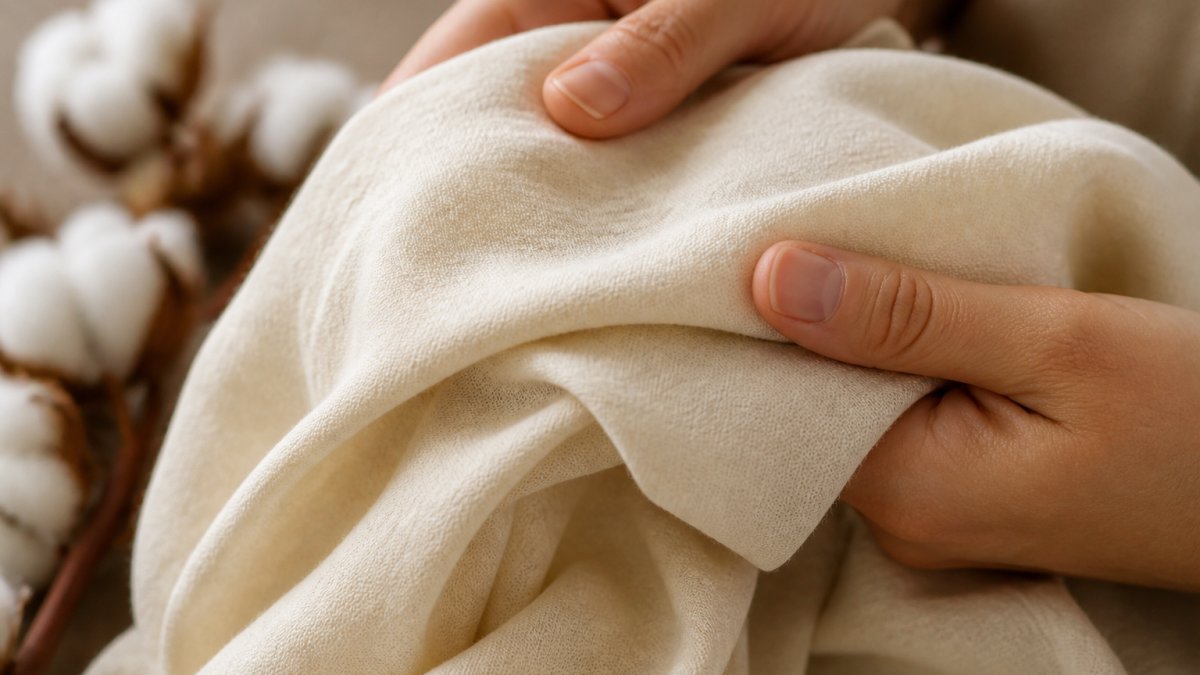
When you buy organic cotton clothing, you're purchasing a product grown without the synthetic chemical load that conventional cotton carries. Organic cotton production standards are verified by independent certifiers who audit farms to ensure compliance with strict guidelines.
At JazzySuSu, we focus on curating pieces designed to last, and understanding the source material matters when you're investing in clothing that becomes part of your signature look. Whether you choose organic or conventional cotton, durability and care matter equally to longevity. But the environmental and health story behind organic cotton clothing differs fundamentally from mass-produced alternatives.
Why Is Organic Cotton More Expensive
Organic cotton clothing costs more because organic farming requires more labor, longer crop cycles, and lower yields per acre compared to conventional methods. There's no way around it: the premium reflects real production costs, not just marketing.
Organic farms cannot use synthetic fertilizers to artificially boost soil nitrogen, so they rely on crop rotation and natural amendments. This takes planning and patience. A conventional cotton farmer might harvest three crops in the time an organic farmer completes two rotations. Lower yield means higher cost per pound of fiber.
Labor intensity also drives up price. Organic pest management often requires hand-weeding and manual inspection instead of spraying herbicides. Certification itself costs money, farms must pay independent auditors to verify they meet organic standards. These auditing fees, combined with smaller harvests and more hands-on farming practices, stack up quickly.
Supply chain complexity adds another layer. Organic cotton must be kept separate from conventional cotton throughout processing to maintain certification integrity. This segregation requires dedicated equipment, storage, and documentation. A textile mill processing both conventional and organic cotton incurs extra costs for cleaning equipment between batches and maintaining separate inventory systems.
Retailers also price organic cotton higher because demand remains lower than supply for conventional cotton. Smaller production volumes mean less economies of scale. When you buy organic cotton clothing, you're paying for all of these structural differences. The price premium isn't arbitrary, it reflects the actual cost difference between growing cotton sustainably and growing it conventionally.
Does Organic Cotton Last Longer Than Regular Cotton
This is where many people expect a clear answer, and the reality is more nuanced. Organic cotton itself is not inherently more durable than conventional cotton. The fiber quality depends on cotton variety, growing conditions, and harvest timing, factors that exist in both organic and conventional production.
What matters more is how the garment is constructed. A well-made organic cotton shirt will last just as long as a well-made conventional cotton shirt. A poorly constructed organic cotton piece will fall apart just as quickly as cheap conventional cotton.
That said, organic cotton clothing often comes from brands and retailers that prioritize longevity. At JazzySuSu, we curate pieces designed to be worn repeatedly, which means we select garments with solid construction regardless of fiber origin. Brands investing in organic cotton typically also invest in better manufacturing practices because their target customer values durability and sustainability together.
The real advantage of organic cotton isn't longevity per se, it's that you're more likely to find durable garments in the organic cotton market because brands using organic materials tend to focus on quality across the board. It's a correlation, not a causation. A cheap organic cotton t-shirt will wear out quickly.
What actually determines garment lifespan: seam construction, fabric weight, hem quality, and how you wash and store the piece. A 200-gram organic cotton shirt with reinforced seams will outlast a 120-gram conventional cotton shirt with single-stitched seams. The fiber type matters far less than these construction details.
Environmental and Health Benefits of Organic Cotton Clothing
Organic cotton farming reduces water pollution and soil degradation compared to conventional methods. Without synthetic pesticides, runoff doesn't contaminate groundwater and nearby ecosystems. Organic farms also build soil health over time rather than depleting it, which improves long-term fertility and reduces erosion.
Water consumption is often cited as a benefit of organic cotton, but the reality is more complex. Organic cotton actually uses similar amounts of water as conventional cotton during growth, the plant's water needs don't change based on farming method. The environmental advantage comes from water quality, not quantity.
Energy use in organic cotton production is generally lower because synthetic fertilizers are energy-intensive to manufacture. Producing nitrogen fertilizer requires substantial fossil fuel inputs, so organic farms that skip synthetic inputs reduce their embedded energy costs.
Regarding skin sensitivity and health benefits, organic cotton doesn't make clothing inherently softer or less irritating. Cotton fiber itself is hypoallergenic regardless of growing method. The potential health advantage relates to pesticide residues, conventional cotton may retain trace amounts of synthetic chemicals even after processing, while organic cotton carries no synthetic pesticide residue by definition.
Biodiversity is where organic cotton farming shows clear advantages. Organic farms support more diverse insect populations, soil microbes, and plant species because they don't use broad-spectrum pesticides that kill non-target organisms. This biodiversity creates more resilient ecosystems and supports pollinator populations.
How to Identify Organic Cotton Clothing and Verify Certifications
Real organic cotton clothing carries certification from recognized third-party organizations. In the United States, look for certifications from GOTS (Global Organic Textile Standard) or OCS (Organic Content Standard). These certifications verify that the cotton was grown organically and processed without prohibited chemicals.
GOTS certification is the most rigorous. It covers the entire supply chain from farm to finished garment, including dyes, processing chemicals, and labor practices. An OCS certification focuses specifically on organic fiber content but doesn't regulate processing chemicals or labor standards as strictly as GOTS.
Women's casual solid color skirt →
Check the garment's tag or product description for certification logos. Legitimate organic cotton clothing displays certification information prominently because it's a key selling point. If a brand claims organic cotton but shows no certification details, that's a red flag. Greenwashing, marketing a product as eco-friendly without backing it up, is common in the fashion industry.
Ask retailers about supply chain transparency. Where was the cotton grown? Which mill processed it? Can the brand trace the fiber from farm to finished product? JazzySuSu curates pieces with attention to quality and longevity, which means we prioritize brands that can document their sourcing.
Look beyond the label. Certification matters, but so does the brand's overall approach to sustainability. A company using organic cotton but producing fast fashion that ends up in landfills isn't truly sustainable. Real investment in organic cotton usually correlates with investment in durability, ethical labor practices, and thoughtful design.
Cost-Per-Wear Analysis: Does the Premium Pay Off
This is the question that determines whether organic cotton clothing worth the investment for your specific situation. Cost-per-wear is simple math: divide the garment's price by the number of times you'll wear it before it's no longer wearable.
A $65.99 organic cotton skirt from JazzySuSu worn 100 times costs $0.66 per wear. The same skirt worn 50 times costs $1.32 per wear. A $25 conventional cotton skirt from a fast-fashion retailer worn 20 times costs $1.25 per wear. Suddenly the expensive organic piece looks like better value.
The premium for organic cotton clothing pays off if you actually wear the pieces repeatedly. This is where JazzySuSu's approach makes sense, we focus on timeless, versatile pieces designed for repeated wear, not trend-driven items you'll abandon after one season.

Where the premium doesn't pay off: buying organic cotton pieces you won't wear frequently. Paying more for sustainable materials only matters financially if you're getting extended use from the garment.
| Scenario | Garment Price | Estimated Wears | Cost Per Wear | Value Assessment |
|---|---|---|---|---|
| Budget conventional cotton, trendy style | $25 | 15 wears | $1.67 | Poor, short lifespan |
| Mid-range conventional cotton, classic style | $45 | 60 wears | $0.75 | Good, decent longevity |
| Premium organic cotton, timeless design | $65.99 | 150 wears | $0.44 | Excellent, maximum value |
| High-end organic cotton, statement piece | $120 | 40 wears | $3.00 | Poor, limited versatility |
The math favors organic cotton when you're buying classic pieces you'll wear for years. It works against organic cotton when you're chasing trends or buying pieces you're unsure about wearing repeatedly.
Consider also the cost of replacement. If you buy five cheap conventional cotton pieces per year at $25 each, you're spending $125 annually on clothing that might not survive a year of regular wear. One $65.99 organic cotton skirt worn consistently for three years costs less than replacing cheap pieces annually.
The Verdict: Is Organic Cotton Clothing Worth the Investment
Organic cotton clothing is worth the investment if three conditions are met: you're buying timeless pieces with classic design, you're selecting well-constructed garments, and you're genuinely committed to wearing them repeatedly.

If you're someone who wears fewer pieces more often, building a capsule wardrobe rather than accumulating fast fashion, organic cotton makes financial sense. The higher upfront cost gets distributed across 100+ wears instead of 20. You're not paying more per wear; you're paying less through durability.
If you're sensitive to synthetic chemicals or prioritize environmental impact, the health and ecological benefits of organic cotton add value beyond cost-per-wear math. You're buying peace of mind along with the garment.
Where organic cotton doesn't make sense: if you tend to buy impulsively, wear pieces once or twice, or chase seasonal trends. The premium only works if the garment actually gets worn.
The real investment isn't in organic cotton specifically, it's in buying fewer, better pieces and actually wearing them. JazzySuSu's approach of curating timeless, versatile fashion aligns with this philosophy. Whether you choose organic or conventional cotton, focus on construction quality, classic design, and pieces that work with your actual lifestyle.
When you do invest in organic cotton clothing, verify certifications, understand the supply chain, and commit to proper care. Wash in cool water, air dry when possible, and store thoughtfully. These practices extend the life of any garment and maximize the value of your investment.
Frequently Asked Questions
Is organic cotton clothing worth the extra cost?
Organic cotton clothing can be worth the investment if you prioritize durability and plan to wear pieces repeatedly over years. The higher upfront cost is offset by longer garment lifespan and reduced waste. Calculate cost-per-wear: a $65 organic cotton piece worn 100 times costs $0.65 per wear, while a $30 conventional cotton item worn 30 times costs $1 per wear. For eco-conscious shoppers and those with sensitive skin, the benefits justify the premium.
What is the difference between organic cotton and regular cotton?
Organic cotton is grown without synthetic pesticides, chemical fertilizers, or GMO seeds, following strict production standards. Conventional cotton relies heavily on chemical inputs and accounts for significant pesticide use in agriculture. Organic cotton production focuses on soil health and biodiversity, while conventional methods often deplete soil fertility. The main difference: organic prioritizes environmental and worker safety, while conventional maximizes yield through chemical inputs.
Does organic cotton clothing last longer than regular cotton?
Longevity depends on garment construction, care, and weaving quality, not solely the cotton type. Pieces like the Women's casual solid color skirt at $65.99 with true-to-size fit and woven construction are designed for repeated wear, maximizing their lifespan.
How can you tell if cotton clothing is genuinely organic?
Look for third-party certifications like GOTS (Global Organic Textile Standard) on product labels and descriptions. Legitimate organic clothing brands disclose their supply chain and certification details on product pages. Verify certifications through the certifying body's website. Be wary of vague claims like 'eco-friendly' without specific certification. Reputable retailers provide transparent information about materials, production standards, and where pieces are sourced from.
Organic cotton clothing represents a real investment in both quality and sustainability, but only if you're intentional about how you shop and wear what you buy. At JazzySuSu, we focus on curating pieces designed to be worn repeatedly, which means we prioritize timeless design and solid construction. Explore our collection of carefully selected clothing and accessories with free shipping on orders over $100, and build a wardrobe you'll actually wear for years.