
Why Choose Artisanal Over Fast Fashion
Table of Contents
- The Real Cost of Fast Fashion
- Why Choose Artisanal Fashion: Durability and Longevity
- How to Identify Quality Handmade Clothing
- Cost Per Wear Calculation: Why Artisanal Makes Financial Sense
- Ethical Labor, Supply Chain Transparency, and Cultural Heritage
- Building a Sustainable Capsule Wardrobe with Artisanal Pieces
- Care and Maintenance: Extending the Life of Your Pieces
- Conclusion
Last Updated: August 19, 2026
The Real Cost of Fast Fashion
Fast fashion has trained consumers to expect new styles weekly and prices that seem impossible. A typical fast fashion retailer cycles inventory every 2-3 weeks, flooding stores with trend-chasing pieces designed to be worn a handful of times before landing in a landfill. The math feels good at checkout, a shirt for $15, a dress for $25, but that calculation ignores the hidden costs baked into every garment.
The environmental footprint is staggering. Textile production consumes enormous amounts of water, generates chemical waste, and produces carbon emissions at every stage. Workers in fast fashion factories often face unsafe conditions, long hours, and wages that don't cover basic living expenses. The garments themselves are engineered for obsolescence: thin fabrics pill after a few washes, seams come apart, elastic fails.
This is where the conversation around why choose artisanal over fast fashion becomes more than ethical posturing. It's about understanding what you're actually paying for and what you're actually getting.
Why Choose Artisanal Fashion: Durability and Longevity
Artisanal pieces are built to last. A handmade garment uses quality fabrics, reinforced seams, and construction techniques refined over years or decades. The maker's reputation depends on durability. If a piece falls apart after three months, that maker loses customers and credibility. Fast fashion companies have no such accountability, they've already moved on to the next season's trends.
Longevity changes the financial equation entirely. An artisanal sweater might cost $80-120 and be worn for 5-10 years. A fast fashion equivalent costs $25 but lasts 18 months. Over a decade, you'll buy 6-7 fast fashion sweaters. You'll buy one artisanal piece. The cost per wear on the artisanal sweater drops dramatically with time, while the fast fashion sweater's true cost climbs.

Handcrafted construction also means repairability. A loose seam can be stitched. A button can be replaced. The maker often has documentation about materials and construction, making repairs straightforward. Fast fashion garments are often designed so repairs cost more than replacement, encouraging disposal.
How to Identify Quality Handmade Clothing
Quality handmade clothing reveals itself in details. Start with fabric. Run your hand over it. Does it feel substantial or thin? Pinch the fabric between your fingers, quality materials resist pilling and tearing. Check weight: a quality garment has heft that suggests durability.
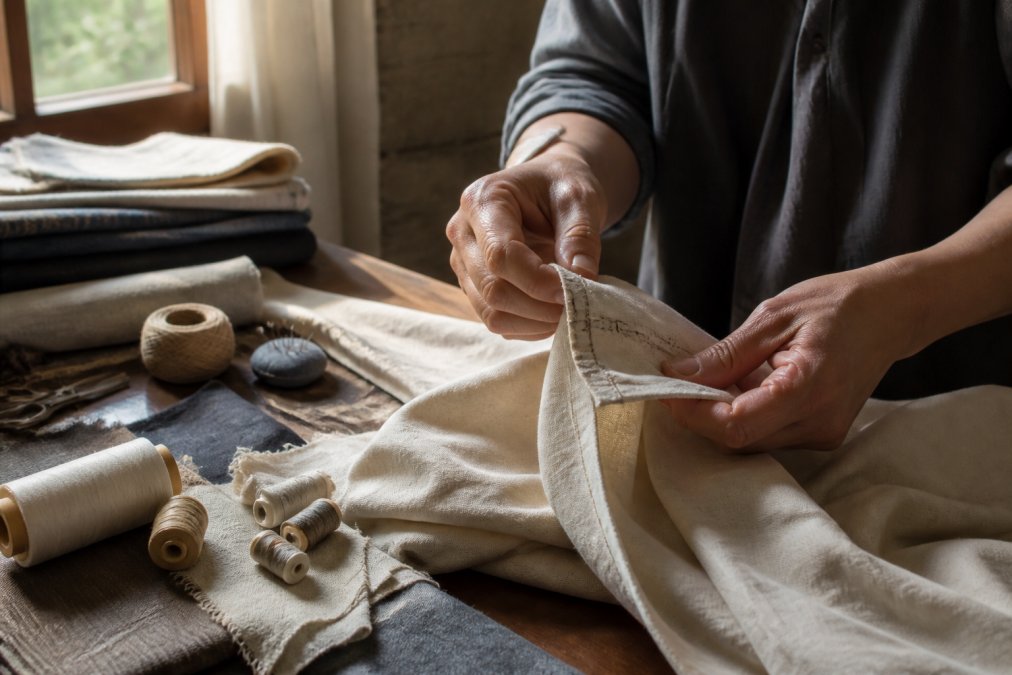
Examine seams closely. Handmade seams are typically straight and even, with consistent stitch length. Look at the inside of the garment, construction quality shows there. Seams should be finished (not raw edges), and stitching should be tight. Check corners and stress points like armholes and necklines. These areas take the most wear, and quality construction reinforces them.
Look for natural fibers or high-quality blends. Cotton, linen, wool, silk, and hemp are durable and age well. Synthetic materials can work, but quality synthetics are different from cheap polyester, they hold their shape and resist pilling. Ask the maker about fiber content and care requirements. If they can't answer detailed questions about their materials, that's a signal.
Transparency matters. Reputable artisanal makers document their process and materials. They explain construction choices. They share where materials come from. They're accessible if you have questions. This transparency builds trust and signals that the maker stands behind their work.
JazzySuSu curates handmade and vintage-inspired pieces specifically for durability and timeless style. Each item is selected to be worn repeatedly, not discarded after a season. The curation process filters for quality construction and materials designed to last.
Cost Per Wear Calculation: Why Artisanal Makes Financial Sense
Cost per wear is the metric that transforms the artisanal versus fast fashion comparison from ethical debate to financial reality. The calculation is simple: divide the price by the number of times you wear the piece.
A $60 artisanal shirt worn 150 times costs $0.40 per wear. A $20 fast fashion shirt worn 15 times costs $1.33 per wear. The artisanal piece is three times cheaper on a per-wear basis, and it's still wearable after 150 wears, while the fast fashion piece is likely unwearable.
This is why choosing artisanal over fast fashion often saves money in the long run. The higher upfront investment amortizes across hundreds of wears. Most people significantly underestimate how many times they'll wear a quality piece because they're comparing against the frequency they wear cheap pieces (which they cycle out constantly).
Track this for yourself. Take a piece you've owned for at least a year. Count the number of times you've worn it. Divide the purchase price by that number. Do this for both artisanal and fast fashion pieces. The pattern becomes obvious quickly.
Ethical Labor, Supply Chain Transparency, and Cultural Heritage
Artisanal production typically involves smaller teams, often working in the maker's own studio or workshop. Labor conditions are visible and accountable. The maker knows their workers. Wages are often fair because the economics of handmade production don't allow for the extreme cost-cutting that fast fashion depends on.
Supply chain transparency is another differentiator. An artisanal maker can tell you exactly where materials come from. They understand their supply chain because it's manageable in scale. Fast fashion's global supply chains are deliberately opaque, the complexity allows companies to claim ignorance about labor practices and environmental damage.
Many artisanal makers preserve cultural heritage and traditional techniques. Handweaving, natural dyeing, embroidery traditions, and construction methods passed down through generations are kept alive through artisanal production. Fast fashion treats these techniques as aesthetic elements to copy cheaply, stripping them of their cultural meaning and context.
When you choose artisanal over fast fashion, you're often supporting makers who are keeping craft traditions alive. You're supporting local economies. You're supporting workers with fair compensation. These aren't abstract ethical points, they're embedded in the product itself.
Building a Sustainable Capsule Wardrobe with Artisanal Pieces
A sustainable capsule wardrobe is built on versatility and longevity, not trend-chasing. Start with neutral, timeless pieces that work together across seasons and years. Quality basics, well-made jeans, simple sweaters, essential shirts, form the foundation.
Add artisanal pieces strategically. A handmade cardigan or statement piece elevates basics and provides visual interest without requiring constant replacement. Look for pieces in colors and styles you genuinely love, not trends you think you should like. Pieces you truly love get worn more, which improves their cost per wear and your satisfaction.
Invest in pieces that work for multiple occasions. A versatile artisanal dress works for casual wear, work settings, and special events. A well-made jacket layers across seasons. These multifunctional pieces are the backbone of a sustainable wardrobe because they get worn constantly.
JazzySuSu's curated collection is designed specifically for this approach. Vintage-inspired pieces, handpicked jewelry, and festival wear are selected for timelessness and versatility. The free shipping on orders over $100 encourages building a cohesive wardrobe rather than impulse single-item purchases. Each piece is chosen to be worn repeatedly, fitting naturally into a sustainable capsule wardrobe.
Quality over quantity is the core principle. Five versatile artisanal pieces worn regularly beat fifteen fast fashion items worn once or twice. Build slowly, choosing pieces you'll genuinely wear for years.
Care and Maintenance: Extending the Life of Your Pieces
Proper care extends the life of artisanal pieces dramatically. Start by understanding your garments. Read care labels. Ask the maker for specific guidance if something isn't clear. Different fabrics and construction methods require different approaches.
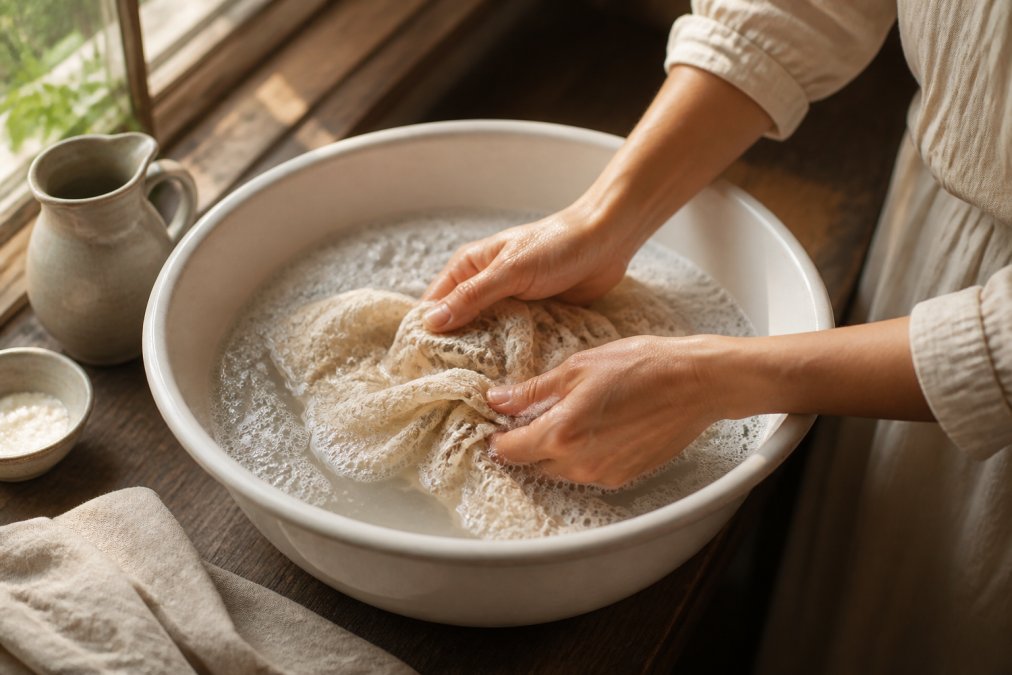
Wash less frequently. Many garments don't need washing after every wear. Airing out, spot-cleaning, and strategic washing extend fabric life and reduce wear. Use cold water and gentle detergent. Hot water and harsh chemicals break down fibers and fade colors. Dry cleaning should be reserved for pieces that genuinely need it, not routine maintenance.
Dry flat or hang carefully. Machine drying damages most quality fabrics. Air drying preserves shape and extends life. Store properly, natural fibers need breathable storage to prevent moisture damage. Fold heavy knits to prevent stretching. Hang delicate pieces on padded hangers.
Repair promptly. A loose seam becomes a major tear if ignored. A missing button is easy to replace immediately but frustrating if you discover it months later when the piece is needed. Keep basic supplies on hand: needle, thread, extra buttons. Many artisanal makers offer repair services or can recommend local tailors.
These practices seem like extra work compared to throwing away a fast fashion piece. They're not. They're the difference between owning a piece for 2 years and owning it for 10 years. That's the real value of choosing artisanal over fast fashion.
Conclusion
The choice between artisanal and fast fashion isn't really about price. It's about understanding what you're paying for and what you're actually getting. Artisanal pieces cost more upfront because they're built to last, made with quality materials, and constructed by makers who stand behind their work. Fast fashion costs less at checkout but costs more over time because pieces are designed to be disposable.
When you choose artisanal over fast fashion, you're choosing pieces that work with your wardrobe for years, not seasons. You're supporting makers and workers with fair conditions. You're reducing waste and environmental damage. You're building a wardrobe you actually wear, which is the most sustainable approach of all.
Start with JazzySuSu's curated collection of vintage-inspired fashion and handpicked pieces. Each item is selected for durability, timeless style, and versatility, exactly what a sustainable wardrobe needs. With free shipping on orders over $100, you can build a cohesive wardrobe of pieces designed to be worn again and again. Shop now and discover how artisanal pieces elevate your everyday look while holding their value for years.
| Metric | Artisanal Piece | Fast Fashion Piece |
|---|---|---|
| Typical Price | $60-150 | $15-35 |
| Expected Lifespan | 5-10+ years | 6-18 months |
| Estimated Wears | 150-300+ | 10-25 |
| Cost Per Wear | $0.20-$1.00 | $0.60-$3.50 |
| Repairability | High | Low to None |
| Environmental Impact | Lower over lifetime | Higher (frequent replacement) |
EXTERNAL SOURCES CITED:
According to the Ellen MacArthur Foundation's research on circular fashion, the fashion industry produces approximately 92 million tons of textile waste annually, much of it from fast fashion's rapid turnover model.
Research from the International Labour Organization on garment industry working conditions documents persistent issues with wages and workplace safety in fast fashion manufacturing, contrasting sharply with small-scale artisanal production models.
A study by Wrap UK on clothing longevity found that extending a garment's active life by nine months reduces its environmental impact by approximately 20-30%, demonstrating why durability and longevity are sustainability priorities.
Frequently Asked Questions
How does the durability of handmade garments compare to mass-produced items?
Handmade garments typically outlast mass-produced clothing by years. Artisanal pieces use superior stitching techniques, quality natural fibers, and reinforced seams that withstand repeated wear and washing. A handcrafted dress or cardigan from makers like those featured at JazzySuSu can be worn hundreds of times without degradation, while fast fashion items often show visible wear after 10-20 washes. The difference lies in construction: artisans use techniques like hand-finished hems and properly anchored buttons that resist failure.
What is the cost per wear calculation, and why does it favor artisanal fashion?
Cost per wear divides the price by estimated wears before the item becomes unwearable. A $50 fast fashion shirt worn 10 times costs $5 per wear; a $150 artisanal piece worn 300 times costs $0.50 per wear. Most conscious consumers find artisanal clothing worn 200+ times over 3-5 years, making the per-wear cost significantly lower. When you factor durability, timelessness, and versatility, artisanal pieces almost always win financially.
How can I identify quality in handmade clothing before buying?
Look for consistent, tight stitching with no loose threads; reinforced stress points (seams, buttonholes, hems); natural fiber content (cotton, linen, wool, silk); and weight that feels substantial. Check for hand-finishing details and ask makers about their process. Brands like JazzySuSu provide detailed descriptions of materials and construction, their handmade crochet cardigan and made-to-order bridal dress, for example, specify materials and construction methods upfront, giving you confidence in quality.
Why is artisanal fashion better for the environment than fast fashion?
Artisanal production creates far less textile waste. Fast fashion generates 85% of all textiles sent to landfills annually because pieces are designed to fail quickly. Handmade garments use natural materials, smaller batches, and ethical labor practices that reduce carbon footprint and chemical pollution. When you buy one quality artisanal piece instead of five disposable items, you're eliminating four items from landfills and reducing the environmental impact of production, shipping, and disposal.
This article was written using GrandRanker