
10 Ethical Clothing Brands for Minimalist Style
Table of Contents
- What Defines Ethical Fashion and Minimalist Style
- Why Quality Over Quantity Matters: The Cost-Per-Wear Advantage
- How to Build a Sustainable Capsule Wardrobe
- 10 Affordable Minimalist Clothing Brands Worth Your Investment
- Minimalist Wardrobe Checklist: Essential Pieces to Start With
- Materials to Look For: Organic, Durable, and Eco-Conscious Fabrics
- Certifications and Transparency: How to Verify Ethical Claims
- Garment Care and Longevity: Making Your Pieces Last
- Frequently Asked Questions
Last Updated: October 2, 2026
What Defines Ethical Fashion and Minimalist Style
Ethical fashion means choosing clothing made with respect for people and the planet. It prioritizes fair labor practices, sustainable materials, and transparent supply chains.
The intersection creates a wardrobe built to last, designed with intention, and free from fast-fashion guilt.
At JazzySuSu, we've curated vintage-inspired, timeless pieces embodying this philosophy.
Ethical brands prioritize organic or recycled materials, fair wages, supply chain transparency, and longevity.
Why Quality Over Quantity Matters: The Cost-Per-Wear Advantage
This is where the math shifts in your favor. A $70 pair of jeans worn 200 times costs 35 cents per wear.
Quality fabrics hold their shape, seams don't split, and timeless design prevents pieces from looking dated.
Higher price tags reflect durability, ethical labor, sustainable materials, and longevity.
Cheap fashion costs more: frequent purchases, unworn items, textile waste. Ethical minimalism reverses this, buy less, wear more, build a cohesive wardrobe.
How to Build a Sustainable Capsule Wardrobe
Start with versatile basics: neutral colors, classic silhouettes, durable fabrics.
A sustainable capsule wardrobe includes 30-40 pieces maximum. With thoughtful combinations, you create dozens of outfits.
Assess what you own: Which pieces do you reach for? What colors dominate? What gaps exist?
Choose 3-4 neutral base colors plus 2-3 accent colors.
Invest in quality basics: white cotton t-shirt, neutral trousers, simple skirt, versatile cardigan. JazzySuSu's Women's casual solid color skirt ($65.99) serves as a perfect anchor, simple, durable, and pairs with almost anything.

Add personality pieces: vintage-inspired items, textured fabrics, subtle embellishments.
Include layering pieces.
10 Affordable Minimalist Clothing Brands Worth Your Investment
Discovering 10 ethical clothing brands for minimalist style doesn't require shopping at luxury boutiques. The brands listed here offer quality pieces at accessible price points, prioritizing durability and timeless design.
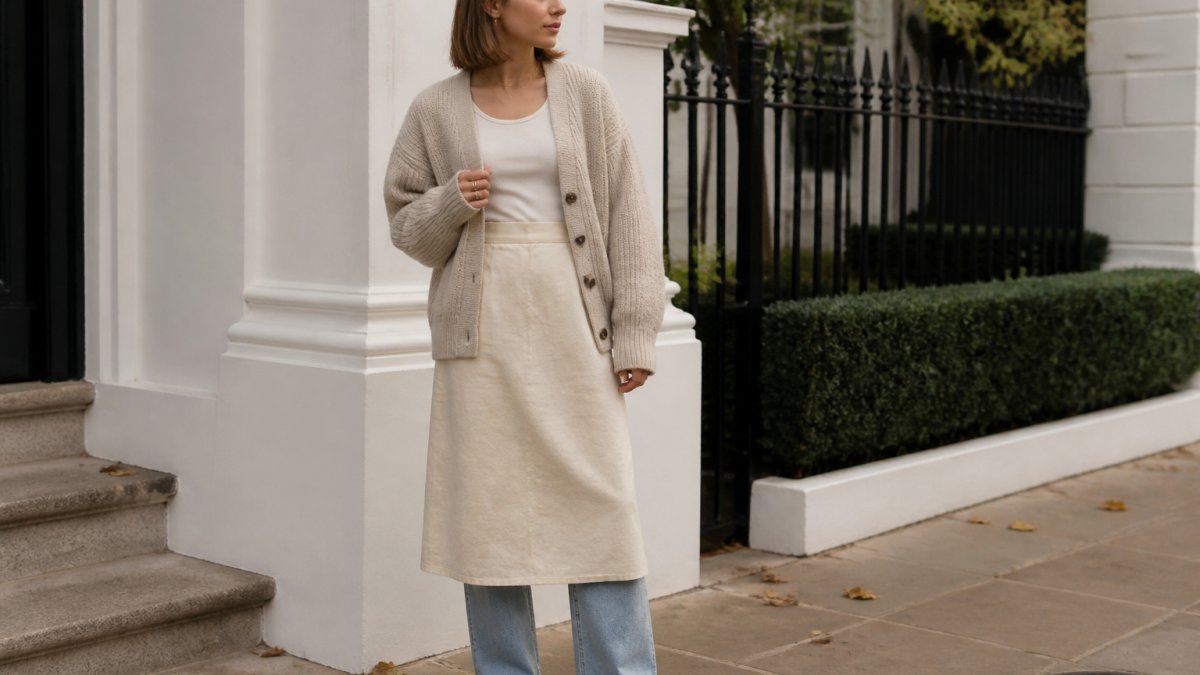
JazzySuSu: Curated Vintage-Inspired Essentials
JazzySuSu combines curated vintage-inspired fashion with minimalist principles. Every piece is handpicked for quality and timeless appeal, designed for repeated wear.
Free shipping on orders over $100 removes friction from building your capsule wardrobe.
JazzySuSu's curation philosophy selects pieces with intention rather than mass-producing variations.
The Simple style lace-up embroidered wide-leg pants ($60.99) offer rayon construction that breathes while maintaining shape, working across seasons.
For layering, the Button-decorated high-waisted solid-color casual straight-leg trousers ($72.99) in rayon provide structure and versatility.
Pros:
- Curated selection prevents decision fatigue
- Free shipping on orders over $100 removes barriers to building a full wardrobe
- Pieces designed for repeated wear, not seasonal trends
- Vintage-inspired aesthetic adds personality while maintaining versatility
- Prices accessible for quality construction
Cons:
- Smaller selection compared to mass-market retailers
- Vintage-inspired aesthetic may not suit everyone's style preferences
9 Additional Ethical Brands for Conscious Minimalists
Several other ethical brands deserve consideration.
Look for brands publishing transparency reports on supply chain, labor, and environmental impact. Brands hiding sourcing or making vague claims deserve skepticism.
Consider the lifespan you expect from each piece. A minimalist wardrobe thrives on longevity.
Size inclusivity matters too. An ethical brand that only serves sizes 0-12 excludes many people from participating in sustainable fashion.
Minimalist Wardrobe Checklist: Essential Pieces to Start With
Building a minimalist wardrobe doesn't require buying everything at once. Start with these foundational pieces and expand intentionally over time.
| Piece | Color | Material | Purpose |
|---|---|---|---|
| Basic t-shirt | White, black, neutral | 100% cotton | Everyday layering and standalone wear |
| Long-sleeve shirt | Neutral tone | Cotton or linen blend | Layering and seasonal versatility |
| Straight-leg jeans | Dark blue or black | Durable denim | Everyday wear across seasons |
| Neutral trousers | Beige, gray, or black | Cotton or rayon blend | Professional and casual occasions |
| Simple skirt | Neutral tone | 100% cotton | Seasonal variety and style flexibility |
| Cardigan or sweater | Neutral or accent color | Wool blend or quality knit | Layering and temperature control |
| Blazer or structured jacket | Neutral tone | Cotton or wool blend | Professional polish and layering |
| Neutral shoes | Black, white, or neutral | Quality leather or durable material | Foundation footwear across occasions |
| Accent pieces | Your chosen accent color | Varied | Personality and individual style expression |
This checklist represents roughly 9-12 pieces, the core of a functional minimalist wardrobe. From here, you can add 10-15 more pieces that work with these foundations, building toward a complete 30-40 piece capsule.
Women's casual solid color skirt →
The Stretch Woven Jumpsuit ($47.99) from JazzySuSu offers a shortcut for days when you want a polished look without thinking through combinations. Its 95% polyester and 5% spandex blend provides stretch and breathability, while the simplified silhouette works for office, weekend, and night-out occasions.

Materials to Look For: Organic, Durable, and Eco-Conscious Fabrics
Not all fabrics are created equal.
Organic cotton eliminates synthetic pesticides and supports soil regeneration.
Linen offers exceptional durability and improves with age.
Hemp fabric combines durability with minimal environmental impact.
Rayon made from sustainably managed forests offers a silk-like feel with lower environmental impact than synthetic alternatives.
Recycled polyester diverts plastic from landfills while creating durable synthetic fabric.
Wool from ethical sources provides natural insulation and longevity. The Women's Cardigan Sweater Coat ($69.99) from JazzySuSu features a premium acrylic/wool blend that maintains shape and softness through repeated wear.

Avoid materials that prioritize appearance over longevity.
Certifications and Transparency: How to Verify Ethical Claims
Not every brand claiming sustainability has earned the right.
Fair Trade Certified indicates that workers received fair wages and safe working conditions.
B Corp Certification means the company meets rigorous standards for social and environmental performance.
Bluesign® certification focuses on textile production, ensuring chemical safety and water conservation throughout manufacturing.
When brands don't carry third-party certifications, ask for transparency reports.
Look beyond single certifications too.
Garment Care and Longevity: Making Your Pieces Last
Wash less frequently. Most pieces don't need washing after every wear.
Wash in cold water with gentle detergent.
Air dry whenever possible.
Store pieces properly. Fold heavier knits to prevent hanger stretching.
Address damage immediately.
Rotate pieces regularly. Wearing the same item repeatedly without breaks accelerates wear.
Consider professional care for special pieces.
Some pieces improve with age. Denim softens and molds to your body.
Frequently Asked Questions
What are the best ethical clothing brands for minimalists?
The best ethical clothing brands for minimalists prioritize timeless design, sustainable materials, and fair labor practices. Look for brands using organic cotton, linen, and recycled fabrics with transparent supply chains. JazzySuSu offers curated vintage-inspired pieces designed for longevity and repeated wear. When evaluating brands, check for certifications like Fair Trade or GOTS, and review their environmental impact statements. Focus on brands that produce fewer styles in higher quantities rather than constant trend cycles.
How do I build a sustainable capsule wardrobe on a budget?
Start by identifying 5-7 neutral base colors and invest in versatile, high-quality basics that mix and match. Choose natural fibers like organic cotton and linen over synthetic blends when possible. Build slowly over time rather than buying everything at once, this reduces waste and spreads costs. Calculate cost-per-wear: a $70 piece worn 100 times costs just 70 cents per wear versus a $20 fast-fashion item worn twice. Prioritize timeless silhouettes over trends. JazzySuSu's pieces, ranging from $47.99 to $72.99, emphasize durability and classic styling, making them ideal for capsule building.
What materials should I look for in ethical, minimalist clothing?
Seek organic cotton, linen, hemp, and recycled polyester, all biodegradable or responsibly sourced. Avoid synthetic blends when possible, as they shed microplastics and take decades to decompose. Check fabric weight and construction: heavier, tightly woven fabrics last longer. Look for natural dyes over chemical treatments. Rayon blends, like those in JazzySuSu's lace-up embroidered pants, offer breathability and durability when combined with natural fibers. Read care labels carefully; pieces requiring gentle hand wash often signal higher quality construction.
How do certifications like Fair Trade and GOTS help me choose ethical brands?
Fair Trade certification ensures workers earn living wages and work in safe conditions. GOTS (Global Organic Textile Standard) verifies organic fiber content and prohibits harmful chemicals throughout production. These certifications reduce guesswork about supply chain ethics and environmental impact. Brands displaying these labels commit to third-party auditing and transparency. Beyond certifications, look for brands publishing transparency reports detailing factory locations, worker conditions, and carbon footprints. Ethical brands are proud to share this information; lack of detail is a red flag.
Why does cost-per-wear matter for sustainable minimalist fashion?
Cost-per-wear reveals the true value of a piece by dividing its price by the number of times you'll wear it. A $70 ethical piece worn 100 times costs $0.70 per wear; a $20 fast-fashion item worn twice costs $10 per wear. Minimalist wardrobes maximize cost-per-wear by using versatile, timeless pieces repeatedly. This mindset shifts shopping from impulse buying to intentional investment, reducing textile waste and supporting better-made garments. Quality pieces from brands like JazzySuSu, designed for longevity and versatile styling, naturally improve cost-per-wear and reduce your environmental footprint over time.
Building an ethical minimalist wardrobe requires intentionality, but the payoff extends far beyond fashion. You'll spend less time deciding what to wear, less money replacing worn-out pieces, and less guilt about your environmental impact. Start with JazzySuSu's curated collection of timeless pieces, quality basics and vintage-inspired essentials designed for repeated wear. Shop now and discover how minimalist style combined with ethical values creates a wardrobe you'll love for years.