
Sustainable Boho Fashion for Everyday Wear
Table of Contents
- What Is Sustainable Boho Fashion?
- Key Characteristics of Bohemian Style
- Materials That Matter: Organic and Recycled Fabrics
- Ethical Boho Clothing Brands and Fair Trade Practices
- How to Style Boho Clothes for Work and Daily Life
- Building Your Sustainable Boho Capsule Wardrobe
- Sustainable Festival Outfit Ideas 2026
- Identifying Greenwashing and Ensuring Transparency
- Frequently Asked Questions
Last Updated: August 31, 2026
What Is Sustainable Boho Fashion?
Sustainable boho fashion combines bohemian aesthetic with environmentally conscious production practices. It's clothing designed to last years, not seasons, made from organic or recycled materials and produced under fair trade conditions. At JazzySuSu, we curate pieces that embody this philosophy: vintage-inspired items that let you express individuality without contributing to fast fashion waste.
The boho aesthetic, flowy silhouettes, earthy tones, handcrafted details, naturally aligns with sustainability values. When you choose pieces made from natural fibers like organic cotton, linen, or hemp, you're investing in garments that breathe, age beautifully, and biodegrade responsibly. The real difference between sustainable boho and trendy knockoffs comes down to transparency: knowing who made your clothes, what materials they used, and how long those pieces will actually last.
A well-made piece at a fair price point, worn repeatedly for years, costs less per wear than a cheap trend piece worn twice. A $40 linen dress worn 100 times costs $0.40 per wear. A $15 polyester dress worn twice costs $7.50 per wear.
Key Characteristics of Bohemian Style
Bohemian style prioritizes comfort, individuality, and a lived-in aesthetic. Silhouettes are intentionally loose and flowing: maxi skirts, oversized kimonos, and relaxed dresses that move with your body. Patterns embrace nature: florals, paisleys, and geometric prints inspired by global textiles. Colors lean toward earthy palettes: terracotta, sage, cream, rust, and warm neutrals.
Layering is fundamental to boho styling. A simple slip dress becomes an outfit when paired with a lightweight cardigan, vintage scarf, and minimal jewelry. This approach extends your wardrobe's versatility dramatically.
Handcrafted details signal authenticity. Look for visible stitching, natural fabric irregularities, and artisanal touches like macramé trim or hand-embroidered accents. These imperfections prove the piece was made by human hands, not mass-produced. Accessories follow the same logic: statement jewelry that's often vintage or ethically sourced, woven bags, and worn leather that develops character over time.
The boho aesthetic rejects the idea that fashion should be polished or perfect. Instead, it celebrates texture, movement, and the story each piece carries, naturally supporting sustainable practices through valuing longevity and uniqueness over trends.
Materials That Matter: Organic and Recycled Fabrics
The foundation of sustainable boho fashion is material choice. Organic cotton eliminates synthetic pesticides and fertilizers that damage soil and water systems (the EPA). It feels softer and maintains integrity through countless washes. Linen, made from flax plants, requires minimal pesticide use and creates incredibly durable fabric that improves with age, becoming softer and more absorbent over time.
Hemp grows quickly without requiring pesticides, regenerates soil health, and produces strong, breathable fabric (usda.gov). Tencel, made from sustainably managed wood pulp using a closed-loop production process, offers cotton-like softness with significantly lower environmental impact. These materials share a common trait: they're biodegradable and return to the earth rather than sitting in landfills for decades.
Recycled fabrics represent another crucial category. Recycled polyester, made from plastic bottles or discarded textiles, diverts waste from landfills while reducing demand for virgin petroleum-based materials. The challenge is that recycled synthetics still shed microfibers when washed, though in smaller quantities than virgin synthetics.
Read fabric content labels carefully. "Natural fiber blend" doesn't guarantee sustainability; a garment that's 51% cotton and 49% polyester still contains significant synthetic material. Look for pieces that are predominantly natural fibers, ideally 80% or higher. Natural fibers breathe, regulate temperature, and age gracefully, while synthetics trap heat and degrade faster.
When evaluating materials, ask about production methods. Organic certification confirms farming practices, but not how fabric is dyed or finished. Transparent brands share this information readily.
Ethical Boho Clothing Brands and Fair Trade Practices
Ethical production means factory workers earn living wages, work safe hours, and maintain dignity in their labor. Fair trade certification provides third-party verification of these standards. When you buy fair trade boho clothing, you ensure that the hands that made your dress weren't exploited.
Transparency is your best tool for identifying ethical brands. Look for companies that openly share their supply chain, which factories they use, where materials come from, and what certifications they hold. Brands hiding this information are often hiding problems.
JazzySuSu's approach centers on curation rather than mass production. We handpick pieces from makers who align with our values: artisanal producers, and vintage sources that give existing garments new life. This means you're supporting makers who care about their craft.
Key certifications to recognize:
- Fair Trade Certified: Workers earn living wages and work in safe conditions
- Global Organic Textile Standard (GOTS): Certifies organic fiber and responsible manufacturing
- Cradle to Cradle: Evaluates environmental and social responsibility across production
Smaller, independent boho brands often have direct relationships with manufacturers, making transparency easier. They can tell you exactly who made your piece and why they chose that producer.
How to Style Boho Clothes for Work and Daily Life
Boho doesn't mean impractical. Choose pieces that work in professional or casual settings, then style them strategically. A neutral slip dress becomes office-appropriate when layered under a structured blazer. The flowing silhouette remains visible at the neckline and hemline, signaling your personal style while maintaining professionalism.
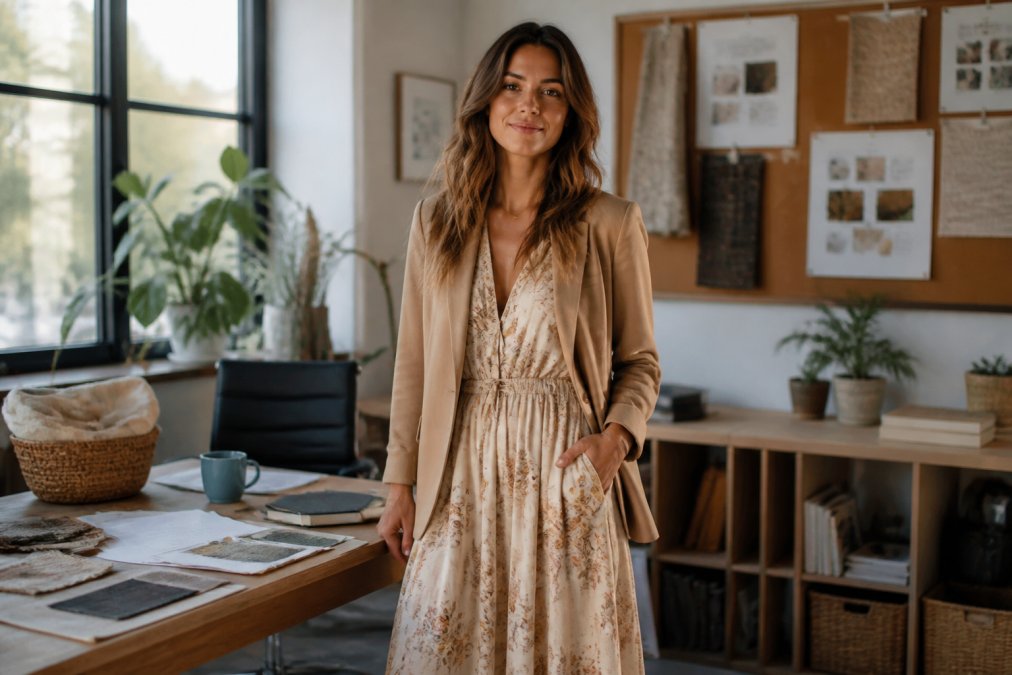
Layering transforms versatility. A linen shirt worn open over a tank top creates visual interest while allowing temperature adjustment. Cardigans in neutral tones, cream, sage, charcoal, bridge boho and professional. Choose knits in natural fibers that drape elegantly rather than cling.
Minimal jewelry prevents boho from reading as costume. A simple pendant necklace, small hoop earrings, or delicate bracelet adds personality without overwhelming. Avoid chunky statement pieces for work unless your environment explicitly embraces that aesthetic.
Footwear matters significantly. Boho pairs naturally with leather sandals, simple flats, or ankle boots. For work, choose closed-toe options in neutral colors. A quality pair of leather boots worn repeatedly becomes part of your signature look and lasts for years.
For everyday casual wear, boho styling is straightforward. A floral dress with a denim jacket and sneakers reads effortlessly put-together. The layering principle remains constant: use structure and neutral pieces to ground flowing, patterned elements.

Building Your Sustainable Boho Capsule Wardrobe
A capsule wardrobe contains 20-30 pieces that mix and match endlessly. For sustainable boho, select versatile basics in natural fibers, then add 5-7 patterned or textured pieces that work with everything.
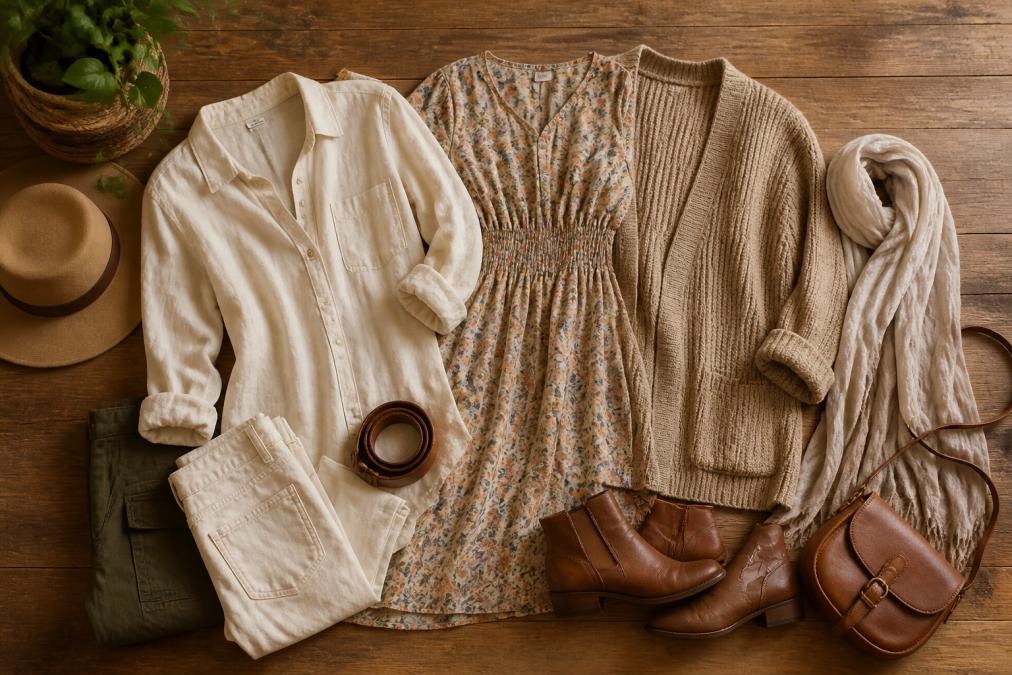
Start with neutrals: two pairs of jeans (one light, one dark), cream and sage linen pants, a white linen shirt, and neutral cardigans. These pieces form the foundation and will be worn 50+ times per year. Choose natural fibers exclusively.
Next, add 5-7 statement pieces: dresses, patterned shirts, and textured layers. The Paisley Print Short Sleeve Mini Dress with Pockets ($43.99) exemplifies this category. It's versatile enough for casual wear or festivals and works with almost every neutral piece you own. The Boho Floral Patchwork Kimono ($41.99) works over dresses, jeans, or basics, with short sleeves and knee length for seasonal flexibility.

Footwear should include three pairs: neutral flats or sandals for everyday, ankle boots for structure, and one special pair that makes you feel confident. Quality matters: a $120 pair of leather boots worn 200 times costs $0.60 per wear.
Accessories: one quality bag in neutral leather, a few scarves in complementary colors, and minimal jewelry in one metal (gold or silver). These pieces should work across seasons and occasions.
Essential Pieces and Cost-Per-Wear Analysis
When evaluating whether to buy a piece, calculate its potential lifespan and frequency of wear. A dress that costs $50 but you'll wear 100 times costs $0.50 per wear. A dress that costs $30 but you'll wear 5 times costs $6 per wear. The expensive piece is actually cheaper.
This analysis transforms how you shop. Instead of asking "Can I afford this?", ask "Will I wear this enough to justify the cost?" A $45 dress you love and wear weekly for a year costs less than $1 per wear.
High-quality natural fiber pieces appreciate in value through this lens. Organic cotton strengthens with washing. Linen develops a beautiful patina. Wool becomes softer. These materials reward frequent wear.
Consider seasonality carefully. A sleeveless dress works year-round in warm climates but limits utility in cold regions. A long-sleeve dress extends wear into fall and spring. A piece you can wear 200 times across multiple seasons justifies a higher price point.
Second-Hand and Circular Fashion Options
Buying secondhand boho pieces multiplies your wardrobe's sustainability impact. Vintage clothing has already been produced; purchasing it prevents new manufacturing and keeps existing garments in circulation. Thrift stores, Depop, Poshmark, and specialized vintage retailers offer boho pieces at 50-80% below retail.
Vintage pieces often showcase superior construction and natural fibers. A 1970s linen dress outperforms most contemporary fast-fashion alternatives. Secondhand shopping also reduces pressure to buy constantly, breaking the consumption cycle that fuels unsustainable practices.
When buying secondhand, inspect garments carefully. Check seams for strength, test zippers, and look for stains or damage that won't wash out. A slightly faded organic cotton dress is treasure; a piece with permanent stains requires honest assessment of repair costs.
Circular fashion extends beyond buying. Sell or trade pieces you no longer wear. Swap clothing with friends. Donate to thrift stores. These actions keep garments moving through wardrobes rather than accumulating in closets or landfills.
Rental services offer another circular option for special occasions. Rather than buying a festival outfit you'll wear once, rent pieces for a weekend.
Sustainable Festival Outfit Ideas 2026
Festival season demands pieces that transition from day to night, withstand movement and weather, and photograph well. Build your festival look around versatile boho basics you already own.
Layer a floral slip dress like our Paisley Print Short Sleeve Mini Dress with a lightweight kimono and ankle boots. Add a wide-brimmed hat for sun protection and a woven bag for practical storage. This outfit works for daytime exploration and evening entertainment.
For evening, the Purple Floral Square Neckline Stretch High Waist Jumpsuit ($39.98) offers comfort and visual impact. Its stretchy viscose fabric moves with you while dancing, and the high waist creates a flattering silhouette. Pair with minimal jewelry and simple sandals.

Layering remains essential at festivals. Temperatures drop after sunset, and venues vary in climate control. Bring a lightweight scarf or shawl in a complementary color for practicality and visual appeal.
Accessories elevate festival looks. Statement earrings, layered necklaces, and body jewelry add personality without requiring outfit changes. Choose pieces that won't catch on clothing or snag during movement.
Footwear requires honest assessment. Festival grounds are often muddy, dusty, or uneven. Comfortable, durable shoes matter more than appearance. Leather sandals, ankle boots, or practical sneakers work well.
The Red Ruffle Detailing Long Sleeve Open Back Floral Dress ($41.99) works for evening festival wear or bridal events. Its long sleeves provide coverage in air-conditioned venues, and the open back creates visual interest.
Identifying Greenwashing and Ensuring Transparency
Greenwashing, making false or exaggerated environmental claims, plagues sustainable fashion. Brands slap "eco-friendly" labels on conventionally produced items or use vague language that obscures actual practices.
Red flags include: vague terms like "natural" or "eco-conscious" without certifications; claims about environmental impact without specific metrics; refusal to disclose manufacturing locations or processes; stock imagery rather than actual production photos; and newly launched "sustainable" lines from brands known for fast fashion.
Legitimate sustainable brands provide specific information: exact certifications held, manufacturing locations, material sourcing details, and carbon footprint calculations when available. They acknowledge limitations rather than claiming perfection. A brand that says "We're working toward 100% organic cotton by 2028" is more credible than one claiming "We're completely sustainable."
Ask questions directly. Reputable companies respond to inquiries about supply chains, materials, and manufacturing. Silence or vague responses indicate greenwashing. Check for third-party certifications from organizations like Fair Trade International, the Global Organic Textile Standard, or Cradle to Cradle.
Research brand ownership. Is this a genuinely independent company or a subsidiary of a major fast-fashion corporation? The latter often greenwashes by launching "sustainable" sub-brands while maintaining harmful practices in their main business.
Read customer reviews carefully. Real users comment on durability, fabric quality, and whether items match photos. Consistently positive reviews with specific details suggest authenticity.
According to FTC guidance on environmental marketing claims, companies making sustainability claims must have reliable scientific evidence to back them up. The agency actively pursues greenwashing violations. Understanding these standards helps you identify legitimate claims from marketing fiction.
=== FAQ ANSWERS (audit these too, same rules) ===
[1] Q: What are some sustainable boho clothing brands that offer quality pieces? A: JazzySuSu curates vintage-inspired boho pieces designed for longevity and repeated wear. Look for ethical boho clothing brands that prioritize transparency about their supply chain, use natural fibers like organic cotton and linen, and offer fair trade practices. Quality sustainable brands invest in handcrafted details and durable construction rather than mass production, ensuring pieces last years rather than seasons.
[2] Q: How do I know if boho fashion is actually sustainable or just greenwashing? A: Check for specific details: transparent supply chain information, certification from recognized standards, use of named natural fibers (organic cotton, hemp, tencel), and fair trade credentials. Be skeptical of vague claims like 'eco-friendly' without evidence. Greenwashing often uses earthy language without substantive practices. Request information about manufacturing location, production methods, and material sourcing before purchasing.
[3] Q: What essential pieces should I buy for a sustainable boho capsule wardrobe? A: Start with versatile layering pieces: a flowy linen shirt, a floral mini dress like the Paisley Print Short Sleeve Mini Dress with Pockets, a kimono or cardigan for layering, and neutral basics in natural fibers. Add one statement piece and quality accessories. These essentials work across seasons and occasions. Focus on pieces in earthy tones and natural fabrics that mix and match easily, maximizing outfit combinations and cost-per-wear value.
[4] Q: How can I style boho pieces for work without looking too casual? A: Layer structured pieces with boho items: pair a floral dress with a tailored blazer, add a leather belt to define the waist, and choose minimal jewelry. Swap casual sandals for loafers or boots. Boho's flowy silhouettes and natural fabrics work well in creative industries and business-casual environments. Choose darker earthy tones and refined patterns rather than bright prints. The key is balancing bohemian aesthetic with professional polish through intentional layering and accessory choices.
Frequently Asked Questions
What are some sustainable boho clothing brands that offer quality pieces?
JazzySuSu curates vintage-inspired boho pieces designed for longevity and repeated wear. Look for ethical boho clothing brands that prioritize transparency about their supply chain, use natural fibers like organic cotton and linen, and offer fair trade practices. Quality sustainable brands invest in handcrafted details and durable construction rather than mass production, ensuring pieces last years rather than seasons.
How do I know if boho fashion is actually sustainable or just greenwashing?
Check for specific details: transparent supply chain information, certification from recognized standards, use of named natural fibers (organic cotton, hemp, tencel), and fair trade credentials. Be skeptical of vague claims like 'eco-friendly' without evidence. Greenwashing often uses earthy language without substantive practices. Request information about manufacturing location, production methods, and material sourcing before purchasing.
What essential pieces should I buy for a sustainable boho capsule wardrobe?
Start with versatile layering pieces: a flowy linen shirt, a floral mini dress like the Paisley Print Short Sleeve Mini Dress with Pockets, a kimono or cardigan for layering, and neutral basics in natural fibers. Add one statement piece and quality accessories. These essentials work across seasons and occasions. Focus on pieces in earthy tones and natural fabrics that mix and match easily, maximizing outfit combinations and cost-per-wear value.
How can I style boho pieces for work without looking too casual?
Layer structured pieces with boho items: pair a floral dress with a tailored blazer, add a leather belt to define the waist, and choose minimal jewelry. Swap casual sandals for loafers or boots. Boho's flowy silhouettes and natural fabrics work well in creative industries and business-casual environments. Choose darker earthy tones and refined patterns rather than bright prints. The key is balancing bohemian aesthetic with professional polish through intentional layering and accessory choices.
Sustainable boho fashion isn't about sacrifice. It's about choosing pieces you genuinely love, made responsibly, designed to last. JazzySuSu's curated collection embodies this philosophy: vintage-inspired pieces in natural fibers, handpicked for quality and longevity. Our free shipping on orders over $100 makes building a sustainable capsule wardrobe accessible. Shop now and discover how timeless style and ethical practices work together.
This article was written using GrandRanker