
Is Fast Fashion Worth the Savings? The True Cost
Table of Contents
- The True Cost of Cheap Clothing Beyond the Price Tag
- How to Calculate Cost-Per-Wear Formula for Smarter Purchases
- How to Identify High Quality Clothing That Actually Lasts
- Environmental and Labor Impact of Fast Fashion Supply Chains
- Benefits of a Capsule Wardrobe Over High-Volume Shopping
- Is Fast Fashion Worth It? The Honest Financial Breakdown
- Building a Wardrobe That Lasts Without Overspending
Last Updated: August 29, 2026
The True Cost of Cheap Clothing Beyond the Price Tag
When you buy a shirt for $15, you're seeing only the price tag. The true cost of fast fashion extends far beyond checkout, it includes environmental damage, labor exploitation, and garments that fall apart after minimal wear.
Fast fashion maximizes volume while minimizing durability, keeping prices low enough to justify discarding items after a season or two. Retailers release constant collections, creating artificial urgency around trends that fade within weeks. You buy more frequently because items aren't built to last, and because "new" styles make last season's purchases feel obsolete.
Here's what price comparisons miss: a $15 shirt worn five times costs $3 per wear. A $60 shirt worn regularly for two years costs roughly $0.08 per wear. JazzySuSu's curation focuses on pieces designed for repeated wear, vintage-inspired items and handpicked selections that hold their value through countless wears, making the per-wear cost significantly lower than typical fast fashion despite higher upfront prices.
The environmental footprint is staggering. Textile production consumes massive water, generates chemical pollution, and produces carbon emissions at every stage. When garments end up in landfills after minimal use, that entire environmental cost becomes waste. Labor practices in fast fashion supply chains often involve low wages, unsafe conditions, and exploitative scheduling.
How to Calculate Cost-Per-Wear Formula for Smarter Purchases
Cost-per-wear is the single most useful metric for evaluating whether a purchase saves you money. Divide the price by the number of times you'll realistically wear the item.
Step 1: Estimate realistic wears. Think about your actual lifestyle. An office blazer might get worn 50 times per year; a sequined party dress twice. Be honest about frequency.
Step 2: Project the garment's lifespan. Fast fashion pieces typically survive 20-30 wears before seams fail or colors fade (peer-reviewed research). Mid-range clothing lasts 100-150 wears. Well-made pieces survive 300+ wears with proper care. Examine stitching, fabric weight, and seam finishing to estimate longevity.
Step 3: Calculate cost per wear. Divide purchase price by total estimated wears.
| Item | Price | Estimated Total Wears | Cost Per Wear |
|---|---|---|---|
| Fast fashion dress | $25 | 25 wears | $1.00 |
| Mid-range dress | $65 | 150 wears | $0.43 |
| Quality investment piece | $120 | 400 wears | $0.30 |
The fast fashion dress feels cheaper upfront but costs four times more per wear. JazzySuSu's color-blocked pleated hem mini skirt dress, built with elasticity and knit construction for durability, might be worn 200+ times over two years, bringing cost-per-wear to under $0.42, far below typical fast fashion alternatives.

Step 4: Factor in care costs. Some fabrics require dry cleaning; others are machine-washable. Add estimated care costs to your calculation for true total cost of ownership.
How to Identify High Quality Clothing That Actually Lasts
Quality construction determines whether a garment falls apart or becomes a wardrobe staple.
Start with seams. Run your fingers along the stitching, quality seams are straight, tight, and even. Count stitches per inch; quality garments have 8-12 stitches per inch, while cheap clothing often has 4-6. Fast fashion seams split easily under stress.
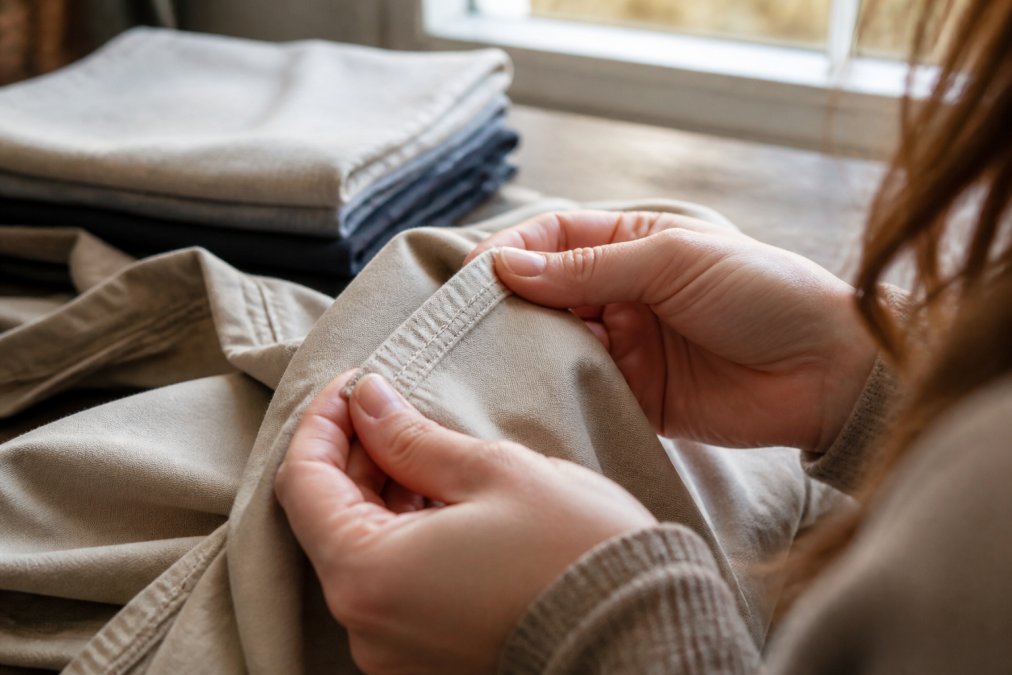
Fabric weight matters. Hold the item to light. Thin, translucent fabric suggests quick wear-out. Quality garments feel substantial with density and weight. Natural fibers like cotton, linen, and wool typically last longer than synthetics, though blends work well with solid construction. Polyester pills more easily and loses shape faster.
Check hems and edges. Quality hems are sewn with multiple passes and finished neatly inside. Buttonholes should be reinforced with tight stitching. Buttons should feel secure with multiple thread passes. Zippers should glide smoothly.
Examine overall fit and construction. Seams should be straight and aligned. Patterns should match at seams. These details signal whether the manufacturer prioritized quality or rushed production.
Material composition matters. Read the label. Natural fibers age better than synthetics. JazzySuSu's color-blocked dress offers 95% polyester and 5% spandex for stretch and recovery while maintaining shape, a balance pure synthetics often fail to achieve.
Environmental and Labor Impact of Fast Fashion Supply Chains
The supply chain of fast fashion is deliberately obscured because conditions are often unacceptable.
Water consumption is massive. Producing a single cotton t-shirt requires roughly 700 gallons of water (peer-reviewed research). Buying multiple fast fashion items monthly consumes enormous quantities, often in water-scarce regions. Chemicals used in dyeing contaminate local water supplies, affecting downstream communities.
Labor practices are notoriously exploitative. Workers, predominantly women in developing countries, earn wages far below living costs. Many factories lack basic safety standards. Pressure to meet impossible deadlines creates inhumane working conditions. Low retail prices are subsidized by workers who absorb costs through inadequate compensation and dangerous environments.
Carbon emissions from manufacturing, shipping, and constant retail turnover are significant. When garments end up in landfills after minimal use, that entire carbon footprint becomes waste. A garment worn once has vastly higher carbon cost-per-wear than one worn hundreds of times.
The circular economy approach designs garments for longevity and eventual recycling, the opposite of fast fashion's linear model. Fast fashion takes materials, manufactures quickly, sells cheaply, and discards rapidly, generating massive waste and environmental damage. Choosing pieces designed to last reduces your participation in this extractive cycle.
Benefits of a Capsule Wardrobe Over High-Volume Shopping
A capsule wardrobe is a carefully selected collection of versatile pieces that work together to create multiple outfits. Instead of owning 100 rarely-worn items, you own 30-40 pieces you wear constantly.
Benefits are practical and financial. With fewer items, each piece gets more use, dropping cost-per-wear significantly. You spend less overall because you're not buying constantly. You waste less because you're not discarding items after a few wears.
A capsule wardrobe simplifies decision-making. Getting dressed becomes faster with fewer coordinating options. You reduce decision fatigue, leading to better choices and fewer impulse purchases. Many people find their confidence increases because every piece fits well and reflects their actual style.
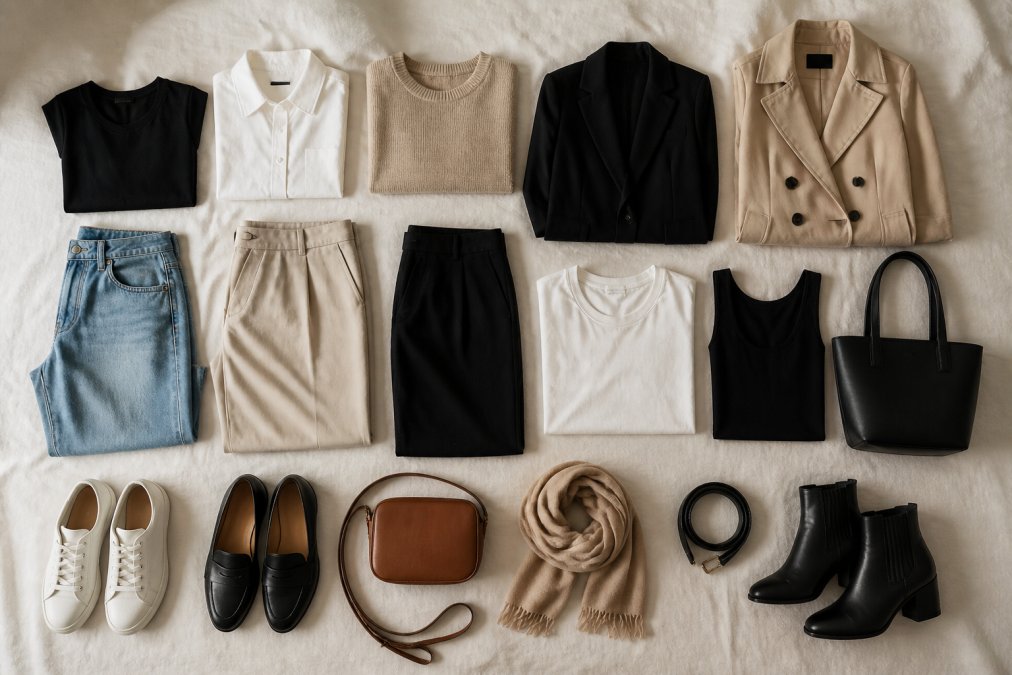
Building a capsule wardrobe requires different shopping habits. Select pieces based on longevity and versatility, not trends. Prioritize quality over quantity. Choose neutral colors and timeless styles that won't feel dated next season. Invest in pieces you genuinely love.
The cost comparison is revealing. A typical fast fashion consumer spends $1,500 per year on 100+ items that wear out quickly. A capsule wardrobe approach might involve $1,200 per year on pieces lasting 2-3 years. Over five years, the capsule wardrobe consumer spends $6,000 total while the fast fashion consumer spends $7,500 and generates far more waste.
JazzySuSu's curation philosophy aligns with capsule wardrobe building. Each piece is selected for versatility and longevity, not trend-chasing. Handpicked jewelry and vintage-inspired pieces work across multiple seasons and occasions. Free shipping on orders over $100 encourages thoughtful purchasing of quality items rather than constant disposable fashion purchases.
Is Fast Fashion Worth It? The Honest Financial Breakdown
When you strip away marketing and emotional appeal, the financial case for fast fashion collapses. The numbers don't support it as a money-saving strategy.
Fast fashion's appeal is psychological, not financial. Low prices create the illusion of savings. Constant releases create urgency. Accessibility enables impulse buying. But these triggers don't change underlying economics.
A typical fast fashion shopper spends $100 monthly on clothing worn for months before discarding, $1,200 per year (peer-reviewed research). Over five years, that's $6,000 on clothing ending up in landfills. Cost-per-wear averages $1.50-$3.00 due to infrequent use before replacement.
A conscious shopper following a capsule wardrobe approach might spend $200 monthly for three months building their initial wardrobe ($600), then $50 monthly on replacements. Over five years, that's $3,600 on clothing worn regularly and lasting multiple years. Cost-per-wear averages $0.25-$0.50 because each piece is worn 200+ times.
The financial advantage: $2,400 saved over five years, plus reduced waste and avoiding exploitative labor participation.
Fast fashion creates hidden costs: replacement frequency forces constant repurchasing; larger low-quality wardrobes require more storage; some fabrics need expensive dry cleaning; constant shopping creates decision fatigue leading to poor choices and impulse purchases.
When factoring all costs, fast fashion doesn't save money. It costs significantly more while generating waste and supporting exploitation.
Building a Wardrobe That Lasts Without Overspending
Transitioning from fast fashion to durable, long-lasting wardrobes requires different spending habits and priorities.
Start with an audit. Look at what you actually wear. Identify pieces you reach for repeatedly. Notice colors, styles, and fabrics that make you feel good. This reveals your actual style, not what you think it should be.
Invest in basics first. Build your foundation with versatile, neutral pieces: a well-fitting white shirt, dark jeans, neutral sweater, and simple blazer. These basics should be high-quality because you'll wear them constantly.
Add personality strategically. Once basics are solid, add pieces reflecting your personal style. A vintage-inspired dress, statement jewelry, or unique accessories give character without planned obsolescence. JazzySuSu's handpicked jewelry and curated pieces add personality to a foundation of basics.
Choose quality over quantity. Buy fewer pieces, but ensure each is well-made. A $65 quality dress lasting 200 wears is cheaper per wear than a $25 fast fashion dress lasting 25 wears.
Shop your closet first. Before buying anything new, spend time with what you own. Mix and match pieces. Rediscover forgotten items. This reduces unnecessary purchases and clarifies what's actually missing.
Plan for seasonality. A year-round wardrobe needs pieces for different seasons. Many items work across seasons with layering. A summer dress becomes a fall outfit with a cardigan and boots.
Consider cost-per-wear in every purchase. Before buying, estimate wear frequency and calculate per-wear cost. If unjustified, don't buy it. This discipline eliminates most impulse purchases.
Build gradually. A solid capsule wardrobe develops over months or years as you add quality pieces strategically. This approach gives time to discover what actually works before investing more.
The financial reality is clear: a wardrobe built on durability and versatility costs less over time than one built on fast fashion's high-volume, low-quality model. Environmental and ethical benefits are significant. Practical benefits, easier mornings, fewer decisions, more confidence, are immediate.
The honest answer to whether fast fashion saves money is no. The savings are illusory. When calculating true cost, per-wear expense, environmental impact, labor exploitation, and replacement frequency, fast fashion is expensive. Building a wardrobe of durable, versatile pieces costs less over time and eliminates guilt about waste and exploitation. JazzySuSu's curated approach demonstrates you don't need to choose between affordability and ethics. Quality pieces designed for repeated wear offer genuine value that fast fashion cannot match. Shop now and discover how pieces built to last can transform both your wardrobe and your financial reality.
Frequently Asked Questions
How does the cost-per-wear formula actually work when evaluating fast fashion?
Cost-per-wear divides the item's price by the number of times you'll realistically wear it. A $20 shirt worn 50 times costs $0.40 per wear; a $100 piece worn 200 times costs $0.50 per wear. Fast fashion often loses this calculation because garments fall apart or go out of style within 5-10 wears, pushing the true cost per wear significantly higher than the initial price suggests. This metric reveals that expensive, durable pieces frequently offer better value than cheap alternatives.
What are the main differences between fast fashion and sustainable fashion in terms of garment longevity?
Fast fashion prioritizes trend cycles and profit margins through mass production, using synthetic fibers and minimal quality control. Garments typically last 5-10 wears before seams fail or fabric degrades. Sustainable fashion emphasizes garment durability through natural fibers, reinforced stitching, and timeless design. These pieces withstand 100+ wears and remain stylistically relevant for years. The upfront price difference becomes negligible when calculated across the garment's actual lifespan.
Why should I consider a capsule wardrobe instead of buying trendy fast fashion pieces?
A capsule wardrobe consists of versatile, high-quality basics that mix and match to create multiple outfits. This approach reduces impulse consumption, eliminates textile waste, and lowers overall spending because fewer pieces serve more purposes. You wear each item more frequently, improving cost-per-wear metrics. Capsule pieces remain relevant across trend cycles, avoiding the planned obsolescence built into fast fashion's business model. Most people find they wear 20% of their wardrobe 80% of the time, a capsule wardrobe is exactly that 20%.
What specific fabric and construction details should I look for when identifying high-quality clothing?
Examine seam stitching: quality pieces have tight, even stitches with no loose threads. Check fabric weight and feel, natural fibers like cotton and linen have substantial weight and smooth texture. Look at hems and cuffs for reinforced stitching. Quality garments list fiber content clearly and avoid excessive synthetic blends. Try the fabric stretch test: pull gently and release; quality fabric returns to shape immediately. Buttons should be sewn with thread visible on the back, not glued. These details indicate the manufacturer invested in construction quality, not just trend appeal.
This article was written using GrandRanker