
How to Spot Quality Vintage Clothing: A 2026 Guide
Table of Contents
- Why Quality Matters When Shopping Vintage
- How to Date Vintage Clothing Labels and Identify Era
- Inspecting Seams, Stress Points, and Garment Construction
- Signs of High Quality Vintage Construction Techniques
- Evaluating Fabric Quality and Fiber Content
- Vintage Clothing Condition Guide: Hardware, Zippers, and Closures
- Spotting Reproductions and Differentiating Authentic Vintage
- Resale Value Indicators and Ethical Sourcing
Last Updated: August 25, 2026
Why Quality Matters When Shopping Vintage
Buying vintage means investing in garments built with construction techniques and materials that fast fashion abandoned decades ago. The difference between a vintage find that falls apart after three wears and one you'll love for years comes down to knowing what to look for.
At JazzySuSu, we curate pieces specifically for their longevity and craftsmanship. Understanding how to spot quality vintage clothing yourself means you'll make smarter purchases, whether you're shopping our collection or hunting through thrift stores. This guide walks you through the exact inspection techniques professionals use to authenticate and evaluate vintage garments.
How to Date Vintage Clothing Labels and Identify Era
Dating a vintage piece starts with the label. Labels tell you when something was made, who made it, and often reveal clues about construction quality. The tag itself, its typography, materials, placement, and what information it contains, functions as a timestamp.
Reading RN Numbers and Manufacturer Tags
RN numbers appear on many vintage American garments and stand as proof of registration with the Federal Trade Commission. These five-digit codes identify the manufacturer or distributor. Finding an RN number confirms the garment was made by an established, registered manufacturer operating under FTC oversight. Reproductions often skip this detail entirely or use fabricated numbers.
Manufacturer tags beneath brand labels often reveal where production occurred. Garments made domestically typically indicate higher labor standards and quality control than pieces manufactured overseas, though this isn't a universal rule.
Label Typography and Brand History
Typography on vintage labels tells a story. Fonts, printing techniques, and label construction evolved significantly across decades. Reproductions often get the typography subtly wrong, the kerning seems off, the font weight doesn't match period examples, or the printing quality looks too clean.
Brand history matters because established manufacturers maintained consistent standards. Learning which brands prioritized quality in specific eras helps you evaluate what you're looking at. Label placement also shifted over time, reflecting changing manufacturing priorities and cost structures.
Inspecting Seams, Stress Points, and Garment Construction
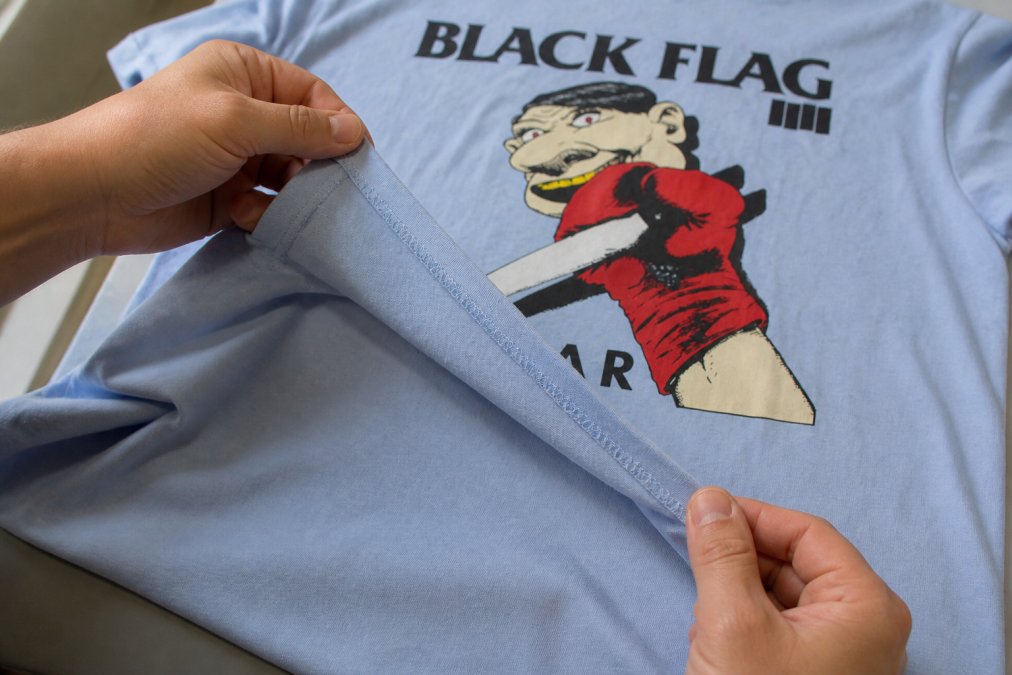
Seams reveal everything about how a garment was made. Run your fingers along seams, tight, consistent stitching indicates controlled manufacturing. Loose or irregular stitching suggests the garment was made quickly or on poorly maintained equipment. Quality vintage pieces often show hand-finishing touches that modern fast fashion skips entirely.
French Seams and Hand-Stitched Hems
French seams represent a construction technique that requires extra time and skill. The seam is sewn twice, once on the right side, then the fabric is folded and sewn again on the wrong side, encasing the raw edges inside. This prevents fraying and creates a clean finish on both sides. Finding French seams signals that the manufacturer invested in quality, this technique costs more in labor and materials and is rarely used in modern fast fashion.
Hand-stitched hems show similar commitment to craftsmanship. Machine-stitched hems are straight and uniform. Hand-stitched hems show slight variation as the seamstress adjusted tension and angle based on fabric behavior. This flexibility accommodates fabric movement better than rigid machine stitching, which is why vintage garments with hand-stitched hems often lasted decades.
Underarm Wear and Stress Point Assessment
Underarm wear reveals how a garment held up after years of use. Look at the fabric under the arm, does it show thinning, pilling, or holes? Quality construction shows in how underarm areas held up despite decades of ownership.
Check seams at stress points for reinforcement. Quality garments often feature double-stitched seams or additional stitching where fabric stress concentrates. Pants crotch seams might have a bar tack, a dense cluster of stitches that reinforce the stress point. Armhole seams might be double-stitched.
Signs of High Quality Vintage Construction Techniques
High-quality vintage construction reveals itself through details that modern manufacturers eliminated to reduce costs. Once you know what to look for, quality construction becomes obvious.
Stitch Density and Tailoring Details
Stitch density measures how many stitches appear per inch along a seam. Vintage quality garments typically show 10-12 stitches per inch or higher (peer-reviewed research). Modern fast fashion often uses 6-8 stitches per inch to save time. Count stitches on a visible seam using a measuring tape or your fingers.
Tailoring details signal whether a garment was made for fit and longevity. Look for darts that shape fabric to body contours, gussets (fabric inserts) at stress points like underarms, bias binding on curved seams, and topstitching that reinforces seams. These details require extra time and skill, so manufacturers only invested in them when they prioritized quality.
Lining Quality and Natural Fiber Composition
Quality vintage garments used natural fiber linings, silk, cotton, or linen. These materials breathe, age gracefully, and last decades. Modern garments often use synthetic linings that deteriorate faster and create uncomfortable moisture buildup.
Inspect the lining closely. Does it feel substantial or thin and flimsy? Quality linings are thick enough to provide structure and protection. Check whether the lining is fully sewn or only partially attached. Quality construction typically features fully lined garments with linings sewn into seams and armholes.
Evaluating Fabric Quality and Fiber Content
Fabric quality determines whether a vintage piece will survive another decade of wear or deteriorate within a season. Understanding natural fibers versus synthetics, and recognizing how fabrics age, separates informed vintage shoppers from those making expensive mistakes.
Natural Fibers vs. Synthetic Blends
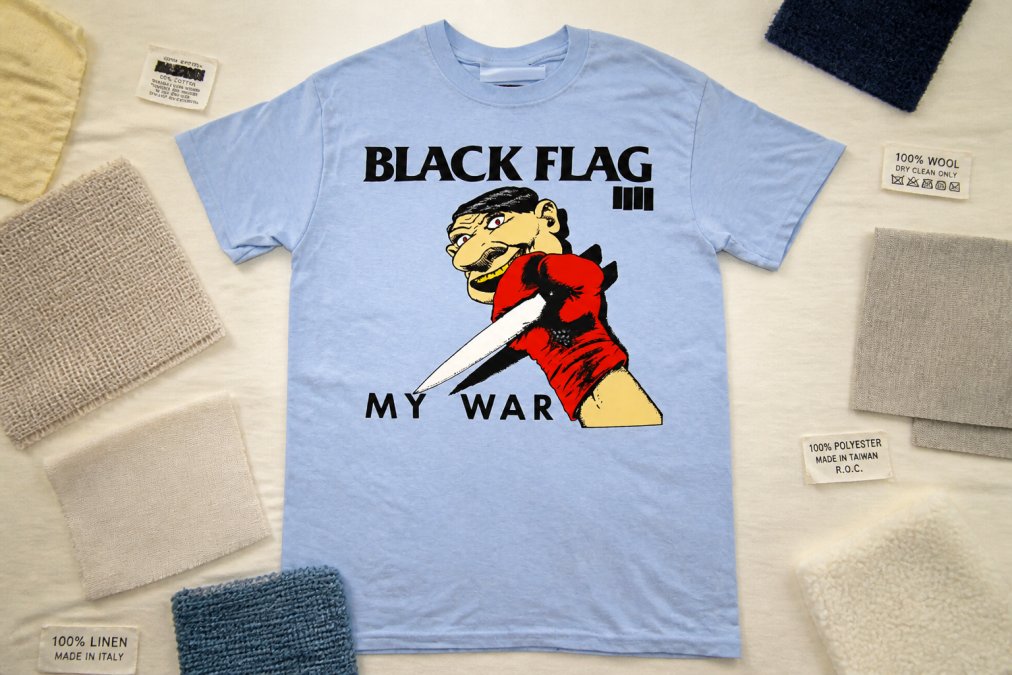
Natural fibers, cotton, wool, linen, silk, breathe, age beautifully, and typically last longer than synthetics. Wool develops patina and character. Linen becomes softer with washing. Silk gains a subtle sheen. Cotton remains durable across decades.
Synthetic fibers like polyester, acrylic, and nylon were introduced in the 1950s and became increasingly common through the 1980s (loc.gov). They offer advantages like wrinkle resistance and lower cost, but they deteriorate differently. Synthetics break down from UV exposure and heat, becoming brittle or sticky. Polyester seams can degrade where stressed, creating small holes that expand rapidly.
Check fiber content on the label. 100% natural fiber is ideal. Blends like 65% polyester/35% cotton perform adequately but age less gracefully. High synthetic content (80%+ polyester) means the garment likely won't last as long. Feel the fabric, natural fibers have distinct tactile qualities. Cotton feels crisp or soft depending on weave. Wool feels textured and warm. Linen has visible texture. Silk feels smooth and liquid. Synthetics feel uniform and often slightly plasticky.
Detecting Fabric Aging and Patina
Fabric aging isn't always damage, sometimes it's evidence of quality. Natural fibers develop patina: subtle color shift, slight softness increase, and character that only comes from genuine age and wear. This patina is desirable and signals authenticity.
Distinguish between patina and deterioration. Patina appears as subtle color variation and lived-in quality. Deterioration shows as brittleness, holes, staining that won't come out, or fabric that tears easily. Check fabric strength by gently pulling, quality vintage fabric holds firm. Deteriorated fabric tears easily or shows weakness.
Pilling (small balls of fiber on fabric surface) indicates lower-quality fiber or excessive wear. Some pilling is normal on vintage pieces, but excessive pilling suggests questionable original fiber quality.
Vintage Clothing Condition Guide: Hardware, Zippers, and Closures
Hardware, zippers, buttons, snaps, and hooks often determine whether a vintage piece is wearable or destined for display. These components deteriorate differently than fabric, and their condition signals how well the garment was maintained.
Metal Zippers and Hardware Manufacturers
Metal zippers last longer than plastic zippers, which become brittle and break. Vintage metal zippers from quality manufacturers like YKK still function smoothly decades later. Test the zipper by sliding it slowly, it should move smoothly without catching or grinding.
Look at the zipper slider (the pull mechanism). Metal sliders indicate quality. Plastic sliders deteriorate and become sticky or break. Hardware manufacturers like Scovill and YKK appear on vintage garments and maintained quality standards.
Check buttons, snaps, and hook-and-eye closures. Metal buttons last indefinitely. Bone or horn buttons are vintage markers and highly desirable, developing patina while remaining functional. Plastic buttons deteriorate, become brittle, and crack. Original buttons in good condition indicate the garment was well-maintained.
Button Closures and Closure Integrity
Quality vintage garments often feature buttons with wire shanks, a small metal loop on the back, that allow the button to sit slightly away from the fabric, creating space for the buttonhole fabric to nest comfortably. This design reduces stress on both button and buttonhole.
Examine buttonholes. They should be reinforced with stitching that prevents fraying. Quality buttonholes show dense, even stitching around the hole opening. Count buttons, original buttons matching the garment indicate it hasn't been heavily repaired. Mismatched buttons suggest replacements, showing the garment was loved enough to be repaired.
Test closures by fastening them gently. Buttons should hold securely without excessive tension. Snaps should catch with a satisfying click. Hooks should hold without slipping.
Spotting Reproductions and Differentiating Authentic Vintage
Reproductions range from obvious fakes to sophisticated recreations that fool casual shoppers. Learning to differentiate between genuine vintage and modern reproductions protects your investment.
Fast Fashion Reproductions vs. Deadstock Originals
Fast fashion brands now produce "vintage-inspired" clothing that mimics the aesthetic of genuine vintage without the construction quality. These reproductions use thin fabrics, low stitch density, synthetic linings, and minimal tailoring details. They look vintage in photos but fail inspection under close scrutiny.
Deadstock vintage represents unworn inventory from past decades. These pieces show no wear but carry all the construction markers of their era. A deadstock 1970s dress has the same seam construction, stitch density, and fabric quality as a worn piece from the same era and manufacturer.
Reproductions often have labels that look aged but feel off under inspection. The typography might be slightly wrong. The label material might be too crisp or too degraded. Compare construction details, reproductions use modern shortcuts like synthetic linings where originals had silk, or show low stitch density where originals showed high density.
Digital Authentication Tools and Provenance Verification
Digital tools now allow verification of vintage authenticity through reverse image search, serial number databases, and historical manufacturing records. These tools supplement but don't replace hands-on inspection.
Reverse image search helps identify whether a piece has been widely photographed and documented. Authentic vintage pieces often appear in multiple vintage retailers' catalogs or collector databases. Some brands maintain historical manufacturing records that include serial numbers, production dates, and construction specifications.
Provenance, the documented history of ownership, adds credibility to vintage pieces. A garment with clear provenance carries more value and authenticity confidence than an unmarked piece. Photography quality matters too. Authentic vintage sellers photograph pieces in natural light showing construction details, seams, and wear patterns.
Resale Value Indicators and Ethical Sourcing
Understanding what makes vintage valuable helps you make purchases you'll actually keep and wear. Quality vintage clothing holds value because it's built to last and carries cultural significance. A well-maintained 1960s dress from a quality manufacturer might appreciate in value over time.
Rarity increases value. Limited production runs, discontinued styles, and pieces from respected designers command higher prices. Condition directly impacts resale value. Stains that won't come out, holes, or broken zippers reduce value significantly. Minor wear and slight fading affect value less dramatically.
Ethical sourcing in vintage means supporting sellers who source responsibly and don't exploit labor. When you buy from JazzySuSu, you're supporting curation practices that prioritize quality and ethical sourcing. Choosing vintage over fast fashion is inherently more ethical, you're extending a garment's life rather than contributing to the 92 million tons of textile waste generated annually (the EPA).
Learning to spot quality vintage clothing transforms your shopping entirely. You'll spend less on pieces that last longer, develop character through wear, and actually reflect your personal style. The inspection techniques we've covered, checking seams, evaluating fabric, examining hardware, and verifying authenticity, are the same methods professionals use.
At JazzySuSu, we apply these standards to every piece in our collection. Our curation focuses on garments with construction quality that justifies their place in your wardrobe for years to come. Discover your signature look with pieces designed to be worn repeatedly, shop our vintage-inspired collection now and enjoy free shipping on orders over $100.

Frequently Asked Questions
How can I tell if vintage clothing is authentic and not a modern reproduction?
Check the label construction, RN numbers, and stitching techniques. Authentic vintage typically features hand-stitched hems, French seams, and hardware from specific manufacturers that match the era. Modern reproductions often have uniform machine stitching and synthetic fibers listed on tags. Digital authentication tools can verify provenance by cross-referencing brand history and production dates. Look for patina, fabric aging, and natural wear patterns that fast fashion reproductions cannot replicate convincingly.
What are the most common red flags when examining vintage clothing?
Watch for mismatched stitching quality, synthetic blends labeled as natural fibers, replacement buttons or zippers that don't match the original hardware, and excessive underarm wear without corresponding age-appropriate patina elsewhere. Hem integrity matters too; unraveling seams or weak lining indicate poor condition. Check for stains, odors, or structural damage that won't improve with care. If the label typography looks too crisp or the tag shows modern printing techniques, it may be a recent reproduction rather than genuine vintage.
How do I determine the age of a vintage garment from its label?
RN numbers on tags can be cross-referenced with Federal Trade Commission records to narrow down production decades. Label typography, font choices, and tag construction evolved significantly over time. Fiber content descriptions also changed; pre-1970s labels rarely listed synthetic percentages. Research the specific brand's history and production years. Examine stitching techniques and hardware styles, which shifted with manufacturing technology. Provenance research through vintage sourcing databases can confirm authenticity and narrow the exact era of production.
Why does vintage clothing last longer than modern fast fashion?
Vintage pieces were constructed with higher stitch density, quality natural fibers, and reinforced stress points designed for durability. Hand-stitched hems and French seams create stronger garment integrity. Vintage manufacturers used deadstock fabrics and premium materials without cost-cutting shortcuts. Modern fast fashion prioritizes rapid production and lower prices, resulting in thinner fabrics, weaker seams, and synthetic blends prone to pilling. Vintage clothing was made to be worn repeatedly for years, while fast fashion targets seasonal trends. This construction difference means vintage pieces often outlast contemporary garments by decades.
This article was written using GrandRanker