
5 Best Eco-Friendly Fabrics for Everyday Wear
Table of Contents
- What Makes a Fabric Truly Eco-Friendly
- 1. Organic Cotton: The Everyday Staple
- 2. Hemp: Durability Meets Sustainability
- 3. Linen and Flax: Breathable Natural Fibers
- 4. Bamboo Fabric: Softness and Regenerated Cellulose
- 5. Wool: Renewable Animal Fiber with Longevity
- How to Choose Eco-Friendly Fabrics for Your Wardrobe
- How to Care for Sustainable Clothing to Extend Garment Life
- Frequently Asked Questions
Last Updated: October 18, 2026
What Makes a Fabric Truly Eco-Friendly
A truly eco-friendly fabric minimizes environmental harm across its entire lifecycle, water consumption, chemical use, carbon emissions, biodegradability, and worker conditions from cultivation through disposal. At JazzySuSu, we focus on materials that balance comfort, durability, and genuine sustainability, not just marketing claims.
The best eco-friendly fabrics come from renewable resources, require fewer harmful chemicals, biodegrade naturally, and last long enough to justify their environmental cost. Longevity matters enormously: a garment worn for years offsets its production impact far better than a trendy piece discarded after one season.
Greenwashing is rampant in fashion. Many brands use vague terms like "eco-conscious" without backing them up. Look for third-party certifications (GOTS for organic cotton, FSC for wood-based fibers) and transparent supply chains. When a company can't explain where their materials come from or how they're processed, that's a red flag.
The fabrics below represent the most accessible, proven options for everyday wear. Each has real advantages and genuine trade-offs; understanding both helps you choose what aligns with your values and lifestyle.
1. Organic Cotton: The Everyday Staple
Organic cotton is the foundation of sustainable fashion, grown without synthetic pesticides, herbicides, or genetically modified seeds. Conventional cotton uses roughly 16% of the world's insecticides despite occupying only 2.5% of global cropland, a burden organic farming eliminates.
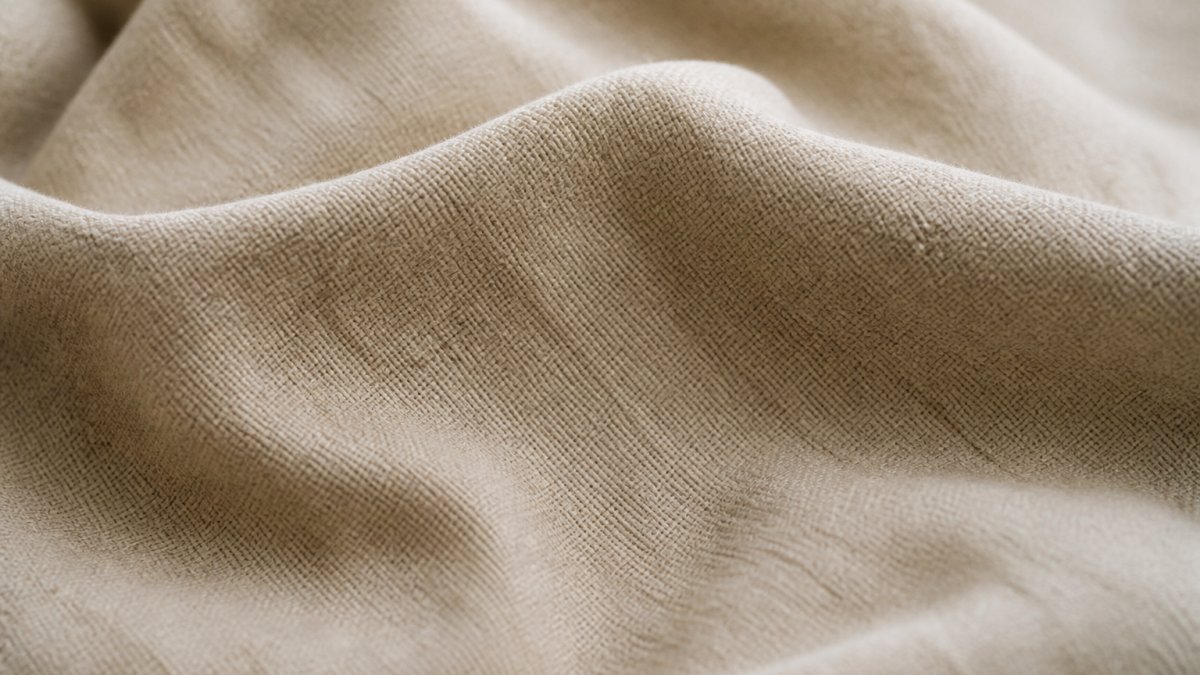
Organic cotton feels identical to conventional cotton, breathable, soft, and suited to nearly every garment type. The real difference is production: organic farms build soil health, use less water, and create safer conditions for farmers.
The downside? Organic cotton wrinkles easily and can shrink if not washed carefully. For everyday basics, t-shirts, underwear, casual skirts, it delivers reliability and genuine environmental benefit.
JazzySuSu carries pieces like the Women's casual solid color skirt at $65.99, crafted from 100% cotton in a lightweight weave perfect for spring and summer wear. The solid design means it pairs with anything in your wardrobe, making it a true everyday staple worth the investment.
2. Hemp: Durability Meets Sustainability
Hemp is arguably the most sustainable fiber available. It grows in almost any climate without pesticides, regenerates soil, and produces more fiber per acre than cotton, a single hemp plant yields more usable material than multiple cotton plants.
Hemp fabric is durable, breathable, and naturally antimicrobial, softening with every wash rather than degrading. A hemp garment worn for a decade still looks good, the ultimate sustainability metric, since that longevity offsets its production impact entirely.
The catch? Hemp wrinkles noticeably and feels stiffer than cotton initially. It also takes dye differently, limiting color options and sometimes requiring different processing chemicals, and production capacity remains smaller than cotton, so prices stay higher.
For workwear, casual pants, and pieces meant to be worn hard, hemp excels. The Cargo Bamboo Linen Beach Casual Shorts at $37.67 blend hemp with linen for a fabric that combines durability with breathability. The slight stretch provides comfort for everyday wear while the hemp content ensures these shorts will outlast typical fast-fashion alternatives.

3. Linen and Flax: Breathable Natural Fibers
Linen comes from flax plants, which require minimal water, pesticides, and fertilizer. The entire plant gets used, nothing goes to waste. Linen production is one of the least resource-intensive processes in textile manufacturing. The fabric itself breathes exceptionally well in heat.
Linen's main appeal is warm-weather comfort: it absorbs moisture and dries quickly, making it ideal for summer clothing and hot climates. It softens beautifully with age and washing, and garments can last decades with basic care.
The trade-off is wrinkles: linen wrinkles dramatically and requires ironing to look polished. Casual wearers often embrace the aesthetic; professional settings demand maintenance. It also shrinks slightly in the first wash, so sizing up is wise.
JazzySuSu offers linen blends like the Modern holiday swing graffiti cotton and linen sleeveless suspender dress (65% linen, 35% polyester) at $65.99 and the Printed suspender sunflower skirt holiday style dress (also 65% linen) at $70.99. These pieces deliver the breathability and longevity of linen with a touch of polyester for reduced wrinkling, a practical compromise for everyday wear.
4. Bamboo Fabric: Softness and Regenerated Cellulose
Bamboo grows rapidly without pesticides or fertilizers, making it an abundant renewable resource. However, the production process matters enormously. Most bamboo fabric is made via viscose processing, which uses harsh chemicals. The environmental impact depends entirely on whether the facility uses a closed-loop system that recycles most of the solvent, or an open-loop system that releases chemicals into waterways.
Closed-loop viscose (also called lyocell) is genuinely more sustainable. Open-loop viscose is environmentally problematic despite the bamboo source's appeal. The key distinction for shoppers is that "bamboo" on a label tells you almost nothing about the process. Look for specific process names, lyocell, Tencel™, or modal, and third-party certifications like OEKO-TEX Standard 100 (which tests for harmful substances) or FSC (which verifies the wood pulp comes from responsibly managed forests). A brand that says only "bamboo viscose" without naming the process or a certification is a red flag for open-loop production.
Bamboo fabric feels luxuriously soft and drapes beautifully, breathes well, resists odors, and is naturally hypoallergenic. It's a strong choice for pieces that touch the skin directly, undershirts, loungewear, and lightweight dresses, because the fiber's smooth surface reduces friction.
The downside is durability. Bamboo weakens when wet, can pill with friction, shrinks in hot water, and requires gentle washing.
JazzySuSu's bamboo offerings include the Ruffle Dress Short Sleeve (95% viscose from bamboo, 5% spandex) at $38.00 and the Hills Bamboo Twirl Dress at $35.00. Both showcase bamboo's softness and gentle quality, ideal for sensitive skin and comfortable everyday wear. The spandex blend adds durability and stretch compared to pure bamboo viscose.
Cargo Bamboo Linen Beach Casual Shorts →

5. Wool: Renewable Animal Fiber with Longevity
Wool is renewable and naturally regulates temperature; sheep produce it annually, making it a truly regenerating resource. Quality wool garments last for decades, sometimes generations, spreading production's environmental cost across years of wear.
Wool is naturally antimicrobial and odor-resistant. It insulates even when wet. For layering pieces, sweaters, and cold-weather wear, wool has no equal among eco-friendly fabrics. The Tightly Woven Cotton Knit Polo Sweater Suit at $59.90 demonstrates how quality construction in natural fibers creates pieces worth keeping.

The concerns are valid: animal welfare in industrial sheep farming, methane emissions from livestock, and potential for lanolin-based processing chemicals.
Wool can itch, requires careful washing to prevent shrinking, and demands proper storage to avoid moth damage. Merino and alpaca wool are higher-quality, often more ethically sourced options whose finer fibers reduce the itch factor.
Wool's methane emissions are a real cost, but the fiber's longevity and low washing frequency offset much of it, saving water and energy over the garment's life. The trade-off is care: cool hand-washing or a gentle cycle and flat drying, since improper care can shrink a garment permanently.
How to Choose Eco-Friendly Fabrics for Your Wardrobe
Start by assessing your climate and lifestyle: warm regions call for breathable fabrics like linen and bamboo viscose, cold climates for wool and hemp. Consider how often you'll wear each piece, durability justifies higher prices for items worn frequently.
Check for certifications. GOTS (Global Organic Textile Standard) for organic cotton, FSC (Forest Stewardship Council) for wood-based fibers, and OEKO-TEX for chemical safety all indicate verified sustainability. These certifications cost money, so companies that invest in them take their claims seriously.
Read care instructions before buying. A piece requiring dry cleaning or delicate hand washing gets worn less, reducing its sustainability benefit; machine-washable garments get worn more, offsetting their production impact faster.
Build a capsule wardrobe with neutral, versatile pieces in sustainable fabrics. JazzySuSu's curated collection emphasizes pieces designed to be worn repeatedly. The Women's casual solid color skirt in 100% cotton at $65.99 exemplifies this approach, a timeless neutral that pairs with endless combinations.
Mix fiber types strategically. Organic cotton for basics, hemp for durable workwear, linen for summer, wool for cold weather, and bamboo viscose for delicate pieces create a balanced, sustainable wardrobe that lasts years.
How to Care for Sustainable Clothing to Extend Garment Life
The most sustainable garment is one you wear for decades, and proper care extends lifespan dramatically. Wash less frequently, most clothing needs washing after 2-3 wears, not every wear, and spot-clean stains and air out garments between wears.
Use cold water and gentle cycles: hot water fades colors, weakens fibers, and uses more energy, while cold water works fine for most garments and extends fabric life. Dry naturally whenever possible, dryer heat damages fibers and consumes energy.
Store garments properly. Fold knits to prevent stretching; hang woven items. Use cedar or lavender for moth prevention rather than mothballs. Repair small damage immediately, a loose seam or small hole becomes unwearable quickly if ignored.
Understand each fabric's needs. Organic cotton handles regular washing well. Linen improves with washing but requires ironing. Bamboo viscose needs gentle cycles and cool water. Wool demands careful washing to prevent shrinking. Hemp actually improves with washing. Reading care labels and following them extends the life of every piece.
| Fabric | Wash Frequency | Water Temperature | Drying Method | Expected Lifespan |
|---|---|---|---|---|
| Organic Cotton | Every 2-3 wears | Cold | Air dry | 5-10 years |
| Hemp | Every 3-4 wears | Cold | Air dry | 10+ years |
| Linen | Every 2-3 wears | Cold | Air dry | 10+ years |
| Bamboo Viscose | Every 2 wears | Cold, gentle | Air dry | 3-5 years |
| Wool | Cool, gentle | Lay flat |
Invest in quality basics in sustainable fabrics.
Building a sustainable wardrobe means choosing fabrics that align with your values and lifestyle. Organic cotton, hemp, linen, bamboo viscose, and wool each offer genuine environmental benefits alongside practical advantages. The key is wearing pieces repeatedly, that's where real sustainability lives.
At JazzySuSu, we curate vintage-inspired fashion and timeless pieces designed to be worn again and again. Our carefully selected items in sustainable fabrics help you build a wardrobe that lasts years, not seasons. Explore our collection and discover pieces worth keeping. With free shipping on orders over $100, you can invest in quality basics that will become your everyday favorites.
Frequently Asked Questions
Which eco-friendly fabric is best for everyday wear?
Organic cotton and bamboo fabric are the top choices for everyday wear. Organic cotton offers proven durability and breathability without synthetic pesticides, making it ideal for items you'll wear repeatedly. Bamboo fabric delivers softness and comfort while being a renewable resource. Both are washable, affordable, and comfortable enough for daily rotation. The choice depends on your climate: organic cotton works well year-round, while bamboo excels in warm or humid conditions.
How can I tell if a fabric is genuinely sustainable?
Check product labels for material transparency, fiber source, and production details. Avoid vague claims like 'eco-friendly' without backing. Reputable brands disclose their supply chain and production methods. Genuine sustainable fabrics will have verifiable information available.
What's the difference between conventional cotton and organic cotton for everyday wear?
Conventional cotton uses synthetic pesticides and fertilizers during cultivation, while organic cotton is grown without these chemicals. For everyday wear, organic cotton is gentler on sensitive skin. Both feel similar, but organic cotton pieces typically maintain their shape and softness through more wash cycles, making them better for items you wear frequently.
How should I care for eco-friendly clothes to make them last longer?
Wash sustainable fabrics in cold water with like colors to prevent fading and fiber damage. Use gentle detergent and avoid bleach, which breaks down natural fibers. Hang dry when possible instead of machine drying, which causes wear and tear. For items like bamboo or viscose, avoid over-washing; air them out between wears. Iron on low heat with a fabric cover if needed. Store in breathable containers away from direct sunlight. Proper care extends garment life, reducing the need to replace items frequently.