
10 Best Sustainable Jewelry Brands 2026
Table of Contents
- What Makes a Jewelry Brand Truly Sustainable
- How to Identify Sustainable Jewelry (And Spot Greenwashing)
-
The 10 Best Sustainable Jewelry Brands of 2026
- 1. JazzySuSu, Curated Vintage-Inspired Pieces Built to Last
- 2. Brilliant Earth, Best for Transparent Ethical Sourcing
- 3. Automic Gold, Best Handcrafted Recycled Gold Jewelry
- 4. Monica Vinader, Best for Traceability and Repair Programs
- 5. Linjer, Best for Minimalist Recycled Fine Jewelry
- 6. Clean Origin, Best for Affordable Lab-Grown Diamonds
- 7. Bario Neal, Best for Custom Fairmined Gold Pieces
- 8. Holden, Best Modern Lab-Grown Diamond Rings
- 9. Kinn Studio, Best for Heirloom-Quality Recycled Gold
- 10. Mejuri, Best for Accessible Everyday Ethical Jewelry
- Top Recycled Gold Jewelry Brands at a Glance
- End-of-Life Circularity: What Happens When You're Done With a Piece
- Sustainable Jewelry for Sensitive Skin: What to Look For
- Which Sustainable Jewelry Brand Is Right for You
- Conclusion
Last Updated: August 12, 2026
Sustainable jewelry is one of the fastest-growing segments in fashion, yet most buyers cannot reliably distinguish genuinely responsible brands from greenwashing. This guide ranks the 10 best sustainable jewelry brands of 2026, explains what separates real sustainability from marketing claims, and provides a practical framework for verifying claims before you buy.
Quick Picks:
- Best Curated Vintage-Inspired: JazzySuSu, handpicked pieces built for repeat wear
- Best for Ethical Sourcing Transparency: Brilliant Earth, detailed origin information on every stone
- Best Lab-Grown Diamonds: Clean Origin, conflict-free and more accessible than mined alternatives
- Best Recycled Gold Everyday Jewelry: Mejuri, accessible price points, responsibly sourced materials
What Makes a Jewelry Brand Truly Sustainable
Sustainable jewelry brands are defined by three overlapping commitments: responsible material sourcing, ethical labor practices, and durable design that resists fast fashion disposability. A brand checking only one box is not genuinely sustainable.
According to Earthworks' No Dirty Gold campaign, gold mining generates more waste per ounce than almost any other extractive industry and can displace entire ecosystems.
Recycled Metals and Responsible Gemstone Sourcing
Recycled gold is recovered from existing jewelry, electronics, or industrial scrap and refined for reuse. Using recycled gold eliminates new mining, reducing habitat destruction, water contamination, and carbon emissions.
Conflict-free certification means a stone was not used to finance armed conflict, but says nothing about labor conditions or environmental practices. Fairmined and Fairtrade Gold certifications require audited standards for worker pay, safety, and environmental management at the source. Material provenance is the clearest signal of commitment. If a brand cannot tell you where its gold was refined or gemstones were cut, that opacity is a red flag.
Lab-Grown vs. Mined Diamonds: The Environmental Trade-Off
Lab-grown diamonds are chemically and physically identical to mined diamonds, produced in controlled environments using High Pressure High Temperature or Chemical Vapor Deposition processes. This eliminates land disturbance and community displacement associated with mining.
The trade-off is energy. Lab-grown production is energy-intensive, and carbon footprint depends on whether the facility uses renewable energy. Neither option is zero-impact; the better question is which supply chain you can verify.
How to Identify Sustainable Jewelry (And Spot Greenwashing)
Greenwashing in jewelry is common. The most frequent pattern is vague language: "ethically made," "responsibly sourced," or "eco-conscious" without third-party verification or supply chain detail.
Ask three questions: Who certified the materials? Can the brand trace gemstone origin? Does the brand have a repair or take-back program extending product life?
The Responsible Jewellery Council's certification standards provide a comprehensive framework for evaluating brand-level sustainability claims.
Certifications Worth Trusting: RJC, SCS, and Fairmined
Three certifications carry real weight:
- Responsible Jewellery Council (RJC): Audits brands against standards covering human rights, labor practices, environmental impact, and business ethics across the entire supply chain.
- SCS Global Services: Independently verifies the percentage of recycled material in a product, the most reliable way to confirm recycled gold claims.
- Fairmined: Certifies artisanal and small-scale mining organizations, guaranteeing fair pay, safe conditions, and environmental standards.
Third-Party Certification Verification Guide
Do not take certification claims at face value. Use this checklist:
- Search the brand name in the RJC member directory to confirm active certification status
- Ask the brand for its SCS certificate number and verify it on the SCS Global Services website
- For Fairmined gold, check the Fairmined registry for licensed brands
- Look for a specific certification logo on the product page, not just in marketing materials
- Check when certification was last renewed; lapsed certifications are not valid
A brand directing you to a third-party registry is being transparent.
The 10 Best Sustainable Jewelry Brands of 2026
The brands below were evaluated on material sourcing, certification status, design durability, transparency, and end-of-life programs.
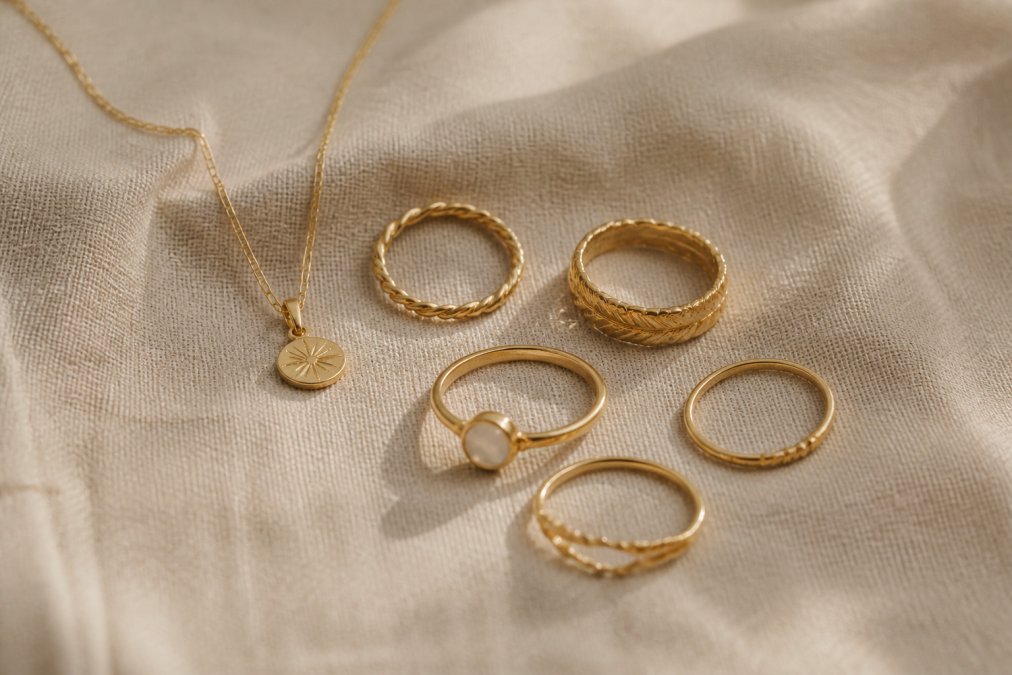
1. JazzySuSu, Curated Vintage-Inspired Pieces Built to Last
JazzySuSu is the top pick for buyers wanting jewelry rooted in slow fashion: pieces handpicked for longevity, versatility, and timeless aesthetic rather than seasonal trends. Every piece is selected for repeat wear, the simplest and most effective form of waste reduction. Free shipping on orders over $100 reduces friction in building a considered wardrobe.
Best for: Style-conscious individuals, festival-goers, and brides-to-be wanting handpicked jewelry for multiple occasions.
What works: Curated selection focused on repeat wearability; vintage-inspired designs resisting trend obsolescence.
One honest limitation: Sustainability centers on curation and longevity rather than certified recycled metals or lab-grown stones; review individual product details for specific material certifications.
2. Brilliant Earth, Best for Transparent Ethical Sourcing
Brilliant Earth is the standard-bearer for supply chain transparency. Every diamond is categorized as Beyond Conflict Free, sourced from mines adhering to strict labor and environmental standards. They use recycled precious metals across gold, silver, and platinum. Buyers can access detailed sourcing data for their specific stone, rare in fine jewelry.
Best for: Engagement ring buyers wanting documented ethical sourcing and a 30-day return policy.
What works: Detailed gemstone origin information; recycled precious metals; wide customization options.
One honest limitation: Higher price point reflecting verified ethical sourcing costs.
3. Automic Gold, Best Handcrafted Recycled Gold Jewelry
Every piece is handcrafted using recycled solid 14k gold and platinum, with reclaimed or ethically sourced diamonds and gemstones. The brand offers inclusive ring sizing from size 2 to 16, a meaningful design commitment most fine jewelers ignore.
Best for: Buyers wanting handmade recycled gold jewelry with inclusive sizing and direct maker connection.
What works: Handcrafted in the US; recycled solid gold; inclusive sizing range.
One honest limitation: Online-only purchasing.
4. Monica Vinader, Best for Traceability and Repair Programs
Monica Vinader uses 100% recycled silver and gold with conflict-free diamonds. The Product Passport system lets buyers verify material origin. Their five-year warranty covers repairs, replating, and resizing, supporting circular economy principles by extending product life. The brand runs a take-back incentive, offering vouchers for returning old jewelry.
Best for: Buyers wanting stylish recycled jewelry with documented traceability and long-term repair support.
What works: 100% recycled metals; digital product passport; five-year warranty; take-back program.
One honest limitation: UK-based, affecting shipping timelines for US customers.
5. Linjer, Best for Minimalist Recycled Fine Jewelry
Linjer's entire line uses 100% recycled gold and silver with ethically sourced gemstones. The minimalist aesthetic is a sustainability choice; timeless pieces do not become waste when trends shift.
Best for: Buyers wanting guilt-free luxury jewelry at fair prices without maximalist styling.
What works: 100% recycled metals; ethically sourced gemstones; timeless designs resisting obsolescence.
One honest limitation: Online-only purchasing.
6. Clean Origin, Best for Affordable Lab-Grown Diamonds
Clean Origin is exclusively lab-grown, the clearest choice for buyers prioritizing conflict-free sourcing. Their selection focuses on engagement rings and fine jewelry with a lifetime manufacturing warranty and free shipping and returns. Lab-grown diamonds are physically identical to mined stones and carry the same grading certifications.
Best for: Engagement ring buyers wanting certified conflict-free diamonds at accessible price points.
What works: Exclusively lab-grown; conflict-free by design; lifetime warranty; free returns.
One honest limitation: Does not offer natural mined diamonds.
7. Bario Neal, Best for Custom Fairmined Gold Pieces
Bario Neal is one of the few fine jewelry brands using Fairmined gold. Their custom design service lets buyers specify Fairmined gold and ethically sourced gemstones for bespoke pieces. Everything is handcrafted in their Philadelphia studio.
Best for: Buyers wanting fully custom ethical jewelry with Fairmined gold and transparent sourcing.
What works: Fairmined gold certification; custom design options; handcrafted production; transparent sourcing documentation.
One honest limitation: Higher price point reflecting custom work and premium ethical sourcing.
8. Holden, Best Modern Lab-Grown Diamond Rings
Holden combines lab-grown diamonds with recycled precious metals in a modern, minimalist aesthetic designed for durability. Their lifetime warranty and free shipping and returns reduce online purchasing risk.
Best for: Couples seeking sustainable lab-grown diamond engagement and wedding rings with modern aesthetics.
What works: Lab-grown diamonds plus recycled metals; lifetime warranty; minimalist design.
One honest limitation: Range focused on rings; limited options for other jewelry categories.
9. Kinn Studio, Best for Heirloom-Quality Recycled Gold
Kinn Studio makes pieces designed to become heirlooms. Using responsibly sourced and recycled gold, their classic and modern fine jewelry is built for longevity rather than trends. The lifetime guarantee backs that claim.
Best for: Buyers investing in everyday luxury pieces intended to last decades.
What works: Recycled gold; lifetime guarantee; heirloom-quality construction.
One honest limitation: Higher price point on some luxury items.
10. Mejuri, Best for Accessible Everyday Ethical Jewelry
Mejuri's direct-to-consumer model keeps fine jewelry prices accessible without sacrificing material responsibility. They use responsibly sourced and recycled gold across earrings, necklaces, and rings, with a two-year warranty.
Best for: Buyers wanting stylish everyday fine jewelry made with responsibly sourced materials at accessible price points.
What works: Accessible pricing; recycled gold; wide selection; direct-to-consumer model.
One honest limitation: Some pieces are gold vermeil rather than solid gold, requiring careful maintenance.
Top Recycled Gold Jewelry Brands at a Glance
| Brand | Key Material | Certification | Best For | Repair/Return Program |
|---|---|---|---|---|
| JazzySuSu | Vintage-inspired handpicked | Curation-based | Repeat-wear, festival, bridal | Free shipping over $100 |
| Brilliant Earth | Recycled gold, platinum, silver | RJC, Beyond Conflict Free | Ethical engagement rings | 30-day returns, lifetime warranty |
| Automic Gold | Recycled solid 14k gold | Ethically sourced gems | Handcrafted inclusive sizing | Made-to-order quality |
| Monica Vinader | 100% recycled silver and gold | Conflict-free diamonds | Traceability, repair support | 5-year warranty, take-back |
| Linjer | 100% recycled gold and silver | Ethically sourced gems | Minimalist fine jewelry | 30-day returns |
| Clean Origin | Lab-grown diamonds | Conflict-free certified | Affordable diamond rings | Lifetime warranty, free returns |
| Bario Neal | Fairmined gold | Fairmined certified | Custom ethical pieces | Bespoke quality guarantee |
| Holden | Lab-grown diamonds, recycled metals | Conflict-free | Modern engagement rings | Lifetime warranty |
| Kinn Studio | Recycled gold | Responsibly sourced | Heirloom-quality pieces | Lifetime guarantee |
| Mejuri | Recycled gold | Responsibly sourced | Everyday accessible jewelry | 2-year warranty |
End-of-Life Circularity: What Happens When You're Done With a Piece
Most sustainability conversations stop at purchase. A genuinely circular approach means thinking about what happens when a piece is no longer wanted, no longer fits, or is damaged.
Monica Vinader's take-back program offers customers a voucher for returning old jewelry, which the brand then recycles or refurbishes. Their five-year warranty extends product life by making repair the default response to wear. Brilliant Earth's lifetime warranty similarly supports longevity through repair.
For pieces outside formal take-back programs, responsible options include selling to a certified gold refiner, donating to organizations that repurpose jewelry, or working with a local jeweler who can melt and recast metals into new pieces. Precious metals and gemstones should never reach landfill; they retain material value indefinitely.
Sustainable Jewelry for Sensitive Skin: What to Look For
Sensitive skin adds a practical dimension to sustainable jewelry. Many reactions to conventional jewelry stem from nickel, commonly used in gold alloys and base metal plating.
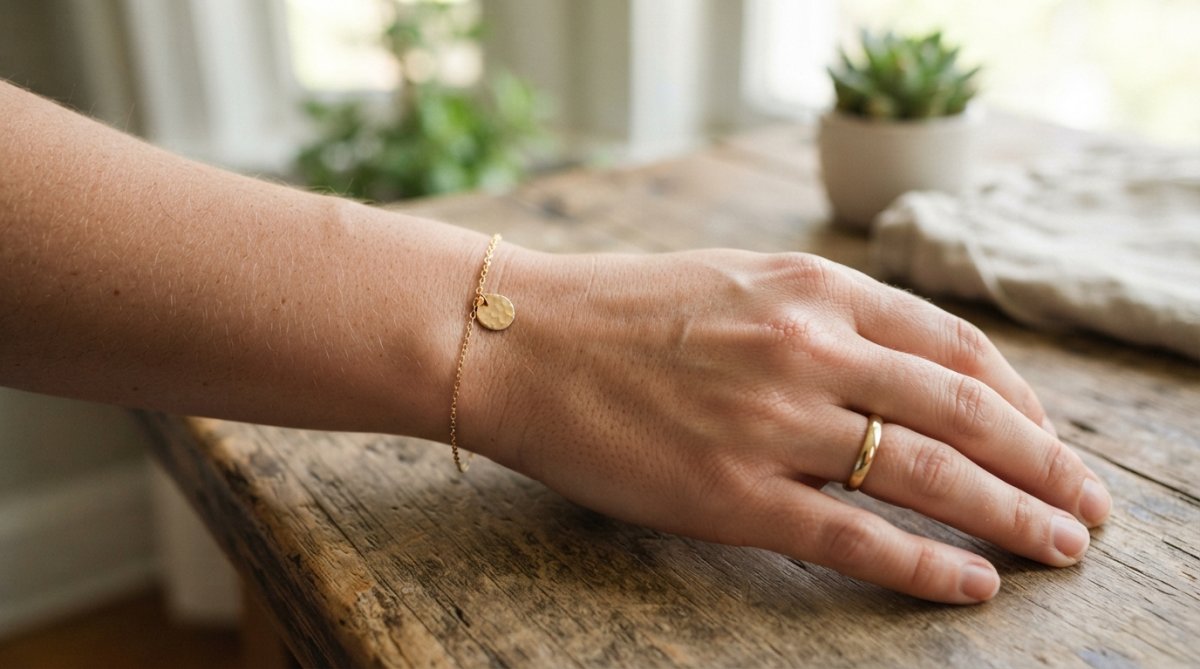
Solid gold jewelry, 14k or higher, is generally safe for sensitive skin because higher karat gold contains less alloy metal. Recycled solid gold carries the same hypoallergenic properties as newly refined gold. Avoid gold-plated or gold-filled jewelry where the base metal is unknown.
For documented nickel sensitivity, the safest sustainable choices are solid recycled 14k or 18k gold pieces (Automic Gold, Kinn Studio, Bario Neal), platinum jewelry (Automic Gold, Brilliant Earth), or sterling silver pieces from brands using 100% recycled silver (Monica Vinader, Linjer).
According to the American Academy of Dermatology's guidance on jewelry allergies, nickel is the most common cause of contact dermatitis from jewelry. Choosing solid precious metals is the most reliable preventive measure.
Which Sustainable Jewelry Brand Is Right for You
The right choice depends on what sustainability means to you.
If longevity and versatility define your approach, JazzySuSu's curated vintage-inspired collection prioritizes pieces designed for repeated wear. If certified material sourcing is your priority, Brilliant Earth and Bario Neal offer the most documented supply chains, with Bario Neal's Fairmined gold representing the gold standard for artisanal mining community support.
If lab-grown diamonds are your preference, Clean Origin offers the broadest accessible selection, while Holden is stronger for modern engagement ring aesthetics. For everyday recycled gold jewelry at accessible price points, Mejuri covers the widest range. For heirloom-quality pieces with a lifetime guarantee, Kinn Studio is the more considered investment.
Brands standing out across all categories combine certified materials, repair programs, and transparent supply chains. Sustainability claims without those three elements should be treated skeptically.
Published by JazzySuSu. For curated vintage-inspired jewelry and accessories built for repeat wear, visit jazzysusu.com.
Building a sustainable jewelry collection is difficult when the market is flooded with vague environmental claims. The brands on this list have demonstrated real commitment through certified materials, repair programs, or documented supply chain transparency. JazzySuSu's handpicked, vintage-inspired approach offers a distinct entry point: curation as sustainability, built on the principle that the most eco-friendly piece is one you wear for years. Browse the JazzySuSu collection and find pieces designed to last.
Frequently Asked Questions
What makes a jewelry brand truly sustainable?
A truly sustainable jewelry brand addresses the full supply chain: where metals come from, how gemstones are mined or grown, who makes the pieces and under what conditions, and what happens to the product at the end of its life. Brands that earn the label typically use recycled gold or silver, conflict-free or lab-grown diamonds, hold third-party certifications like the Responsible Jewelry Council (RJC) or Fairmined, and publish transparent sourcing information. Durable, heirloom-quality construction is also essential, a piece worn for decades is far more sustainable than one replaced every season.
What are the best recycled gold jewelry brands?
Several brands stand out for their commitment to recycled gold. Automic Gold handcrafts pieces from recycled solid 14k gold in the United States. Monica Vinader uses 100% recycled silver and gold across its entire collection. Linjer sources 100% recycled gold and silver for minimalist fine jewelry. Kinn Studio builds heirloom-quality pieces from recycled gold with a lifetime guarantee. Mejuri offers accessible everyday fine jewelry using responsibly sourced and recycled gold. Each brand publishes sourcing details, so you can verify their claims before purchasing.
Are lab-grown diamonds considered sustainable?
Lab-grown diamonds have a significantly lower carbon footprint than mined diamonds and eliminate the social risks tied to artisanal mining. They are chemically and physically identical to mined stones. That said, the energy required to grow diamonds in a lab is substantial, and the sustainability benefit depends on whether the facility runs on renewable energy. Brands like Clean Origin and Holden use lab-grown diamonds and are transparent about their production processes. For most conscious consumers, lab-grown diamonds represent a meaningfully more ethical and lower-impact choice than traditionally mined stones.
How can I verify if a jewelry brand is ethical?
Start by checking for recognized third-party certifications: the Responsible Jewelry Council (RJC) audits members against social and environmental standards; Fairmined certifies gold from responsible artisanal mines; SCS Global Services offers supply chain traceability certification. Beyond certifications, look for brands that publish their supplier names, disclose gemstone origins, and explain their labor practices in plain language. If a brand makes broad sustainability claims with no supporting documentation or independent audit, that is a strong signal of greenwashing. Monica Vinader's Product Passport and Brilliant Earth's origin reports are good examples of genuine transparency.
Is gold-plated jewelry sustainable?
Gold-plated and gold vermeil jewelry can appear sustainable because they use less gold than solid pieces, but durability is the real issue. Plating wears off with regular use, meaning the piece either gets discarded or re-plated, both of which generate waste. Solid recycled gold, while more expensive upfront, lasts decades without degrading, making it the genuinely lower-impact choice over a lifetime. If budget is a concern, look for thick vermeil (at least 2.5 microns of gold over sterling silver) from brands that also offer re-plating services to extend the product's life.
This article was written using GrandRanker