
Best Vintage Clothing Eras for Beginners
Table of Contents
- Why Vintage Clothing Eras Matter for Beginners
- Vintage Clothing Styles by Decade: Which Eras Are Most Beginner-Friendly
- How to Date Vintage Clothing: Identifying Your Era
- Beginner's Guide to Shopping for Vintage Clothing
- How to Style Vintage Clothes Without Looking Like a Costume
- Common Sizing and Fit Differences Across Eras
- Frequently Asked Questions
Last Updated: October 10, 2026
Why Vintage Clothing Eras Matter for Beginners
Starting with vintage clothing eras can feel overwhelming when you're new to thrifting or vintage shopping. The difference between a 1950s silhouette and a 1970s cut affects fit, fabric quality, and how easily you can integrate pieces into your everyday wardrobe.
Understanding which eras work best for beginners matters because it determines whether you'll actually wear what you buy. A Victorian corset-backed dress might photograph beautifully, but if it requires professional alteration or specific undergarments, it sits unworn. The most beginner-friendly vintage clothing styles by decade balance historical accuracy with practical wearability.
Vintage Clothing Styles by Decade: Which Eras Are Most Beginner-Friendly
The most beginner-friendly eras share three traits: they have clear, recognizable silhouettes; their sizing aligns reasonably with modern measurements; and their pieces work with contemporary styling. Below, we break down the top contenders and explain why each works, or doesn't, for someone just starting out.
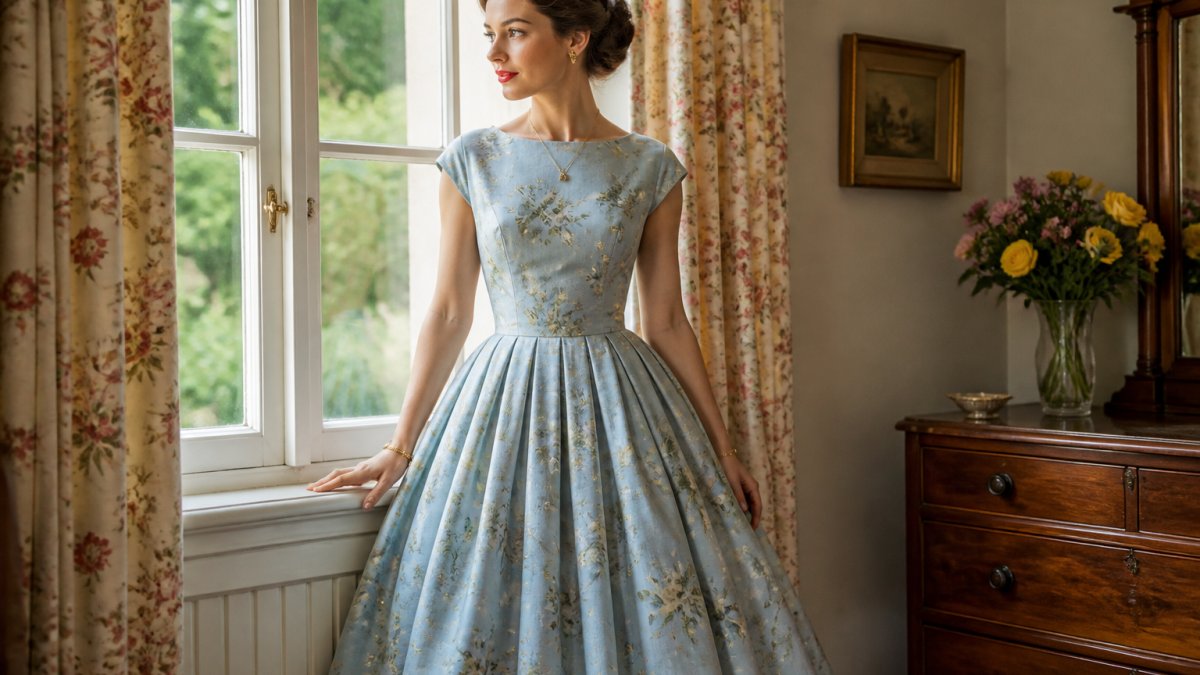
1950s: The Most Accessible Era
The 1950s dominates beginner vintage shopping for good reason. Full skirts, fitted bodices, and high necklines create instantly recognizable silhouettes that photograph well and feel flattering on most body types.
1950s garments run true to size for most people, and higher waistlines with fuller skirts flatter many body shapes. The era's emphasis on structure means even worn pieces hold their shape.
JazzySuSu's curated 1950s-inspired collection, including the Painted Floral Vintage Dress and Wildflower Vintage Dress (both $89.99), demonstrates this era's appeal.

The limitation: 1950s pieces can feel costume-like if not styled intentionally. A full skirt dress with a cardigan and modern flats reads vintage-inspired; with a petticoat and retro shoes reads costume.
1970s: Bohemian and Wearable
The 1970s offers a looser, more bohemian aesthetic than the 1950s. Flared jeans, maxi dresses, wide-leg pants, and flowing fabrics dominate. This era appeals to beginners who want vintage without the formality of earlier decades.
1970s pieces often work alone without extensive styling. A floral maxi dress reads naturally with modern sneakers or sandals. Wide-leg jeans pair effortlessly with contemporary tops.
1970s sizing varies more than the 1950s, with lower waistbands and looser proportions. This works in beginners' favor because the relaxed cut accommodates fit variation.
The trade-off: 1970s construction isn't always as strong as earlier eras. Seams may be less reinforced, and some fabrics pill or fade.
1990s and Y2K: Familiar and Trendy
The 1990s and early 2000s feel closest to modern fashion. Slip dresses, baby tees, low-rise jeans, and minimalist pieces feel contemporary because the silhouettes aren't radically different from today's trends.
1990s garments use modern sizing standards, so your 1990s size 4 is likely your modern size 4.
The Y2K Retro Plaid Flower Bud Skirt ($63.99) from JazzySuSu exemplifies this era's appeal. It's made from 100% polyester with no elasticity, meaning it holds its shape.
The limitation: 1990s pieces can feel too current to feel like "vintage." The 1990s produced a lot of fast fashion, so quality varies wildly and requires careful inspection.
Victorian and Edwardian: Romantic but Niche
Victorian and Edwardian pieces appeal to beginners drawn to romantic, ornate aesthetics. However, these eras are NOT beginner-friendly: sizing is radically different, construction involves complex corsetry requiring specialist knowledge, many pieces need professional alteration, and wearing them authentically requires specific undergarments.
That said, if you love this aesthetic, JazzySuSu offers accessible entry points. The Vintage Butterfly Solo Stud Earrings ($16.25) feature Victorian-era butterfly design in 18K gold-plated stainless steel, hypoallergenic and waterproof for everyday wear. The Vintage Charm Triple Layered Necklace ($36.25) captures Victorian-inspired charm with modern practicality. These accessories let you explore the era without committing to full garments.
How to Date Vintage Clothing: Identifying Your Era
Dating vintage clothing accurately prevents costly mistakes. Learning to identify eras yourself saves money and ensures you get what you're paying for.
Examine construction details. Metal zippers with large pulls are 1950s-early 1960s; plastic zippers became common in the 1970s.
Assess fabric content. 1950s dresses are predominantly natural fibers (cotton, wool, silk). 1970s introduced polyester blends. 1990s used both freely.
Look at silhouette and design details. Full skirts with fitted bodices and high necklines indicate 1950s. Wide-leg pants, maxi lengths, and flowing fabrics indicate 1970s.
Check for specific design trends. Pastel florals with small-scale patterns are often 1950s. Large-scale geometric prints or earth tones suggest 1970s.
Beginner's Guide to Shopping for Vintage Clothing
Successfully shopping for vintage clothing as a beginner requires knowing your measurements, understanding quality indicators, and starting with pieces that guarantee success.
Know Your Measurements Across Decades
Vintage sizing doesn't match modern sizing. Measure your bust, waist, hip, and length, then compare YOUR measurements to the garment's measurements, not the size label. A 1950s dress labeled size 10 with a 38-inch bust might fit you perfectly even if you wear a modern size 6. For vintage jeans, check inseam length carefully; 1990s jeans have a lower rise than modern jeans.
| Era | Typical Bust Sizing | Typical Waist Sizing | Rise Position | Key Fit Note |
|---|---|---|---|---|
| 1950s | Runs true to size | 2-3 inches smaller than modern | High (at natural waist) | Full skirts accommodate hip variation |
| 1970s | Runs loose | Runs loose | Mid to low | Relaxed fit means more forgiveness |
| 1990s | Runs true to size | Runs true to size | Low (below natural waist) | Fitted through hip and thigh |
| Victorian/Edwardian | Dramatically different | Dramatically different | Extremely high | Requires specialist sizing knowledge |
Check Fabric and Construction Quality
Seams: Seams should feel secure, not loose or fraying. Reinforced seams indicate quality construction. Broken or pulling seams mean costly repairs.
Fabric: Check for pilling, stains, fading, or holes. Minor fading is acceptable; significant discoloration reduces wearability. Holes in visible areas require patching.
Painted Floral Vintage Dress →
Zippers and fasteners: Zippers should glide smoothly; broken zippers are expensive to replace. Buttons should be secure; loose buttons are easy fixes.
Elastic and waistbands: Stretched-out elastic is a dealbreaker. Waistbands should feel firm, not limp.
Underarms and stress points: Check armpit seams, necklines, and hem areas for stress damage, which reveals whether a piece was well-loved or rarely worn.
Start with Key Wardrobe Essentials
Your first vintage purchases should be foundational pieces that work with what you already own.
1950s entry point: A simple cotton dress. JazzySuSu's Painted Floral Vintage Dress or Wildflower Vintage Dress ($89.99 each) offer 100% cotton construction, true-to-size fit, and full skirts that work with modern styling.

1970s entry point: Flared jeans or a simple maxi dress in a neutral tone. The relaxed fit accommodates sizing variation.
1990s entry point: A white slip dress or simple midi skirt. These pieces integrate seamlessly into contemporary wardrobes.
Accessories: JazzySuSu's Vintage Butterfly Solo Stud Earrings ($16.25) or Vintage Charm Triple Layered Necklace ($36.25) let you explore vintage aesthetics without major investment.
How to Style Vintage Clothes Without Looking Like a Costume
The difference between vintage-inspired style and costume is intentionality. Beginners often style vintage pieces too authentically, adding period-accurate shoes and accessories, which reads as costume.
Mix Vintage and Modern Pieces
The secret to wearable vintage is the 70/30 rule: pair vintage pieces with modern staples. A 1950s dress with modern sneakers, a denim jacket, and a contemporary bag reads styled and current. The same dress with vintage shoes and bag reads costume.
Start with modern basics and layer vintage pieces over or under them. A 1950s full-skirt dress over modern black leggings with a denim jacket and white sneakers looks intentionally vintage-inspired. For 1970s pieces, pair wide-leg jeans with a modern white tee and leather jacket. For 1990s pieces, wear a vintage slip dress over a modern white tee with contemporary sneakers and a modern bag.
Choose One Statement Piece Per Outfit
Choose one standout vintage piece per outfit and build around it with modern staples. If your statement piece is a 1950s dress, keep everything else modern. If it's 1970s wide-leg jeans, pair with modern top, jacket, and shoes. If it's a 1990s slip dress, style it as a layering piece with modern basics. This ensures your vintage piece enhances your style rather than dominating it.
Common Sizing and Fit Differences Across Eras
Each era had different body ideals, which shaped garment construction and sizing standards.
1950s sizing: Waistlines sit at the natural waist. A 1950s size 8 typically has a 32-34 inch bust and 24-26 inch waist.
1970s sizing: Waistlines sit lower than the 1950s. A 1970s size 8 might have a 36-38 inch bust with relaxed fit.
1990s sizing: Waistlines sit low, similar to modern low-rise jeans. A 1990s size 4 typically has a 32-34 inch bust and 24-26 inch waist.
Victorian and Edwardian sizing: Sizing is based on bust measurement alone.
The best approach to vintage clothing eras for beginners is to start with what feels achievable.
Fashion historians' guide to dating vintage clothing
Vintage clothing construction standards across decades
Sizing standards in vintage fashion archives
Frequently Asked Questions
What is the easiest vintage era to wear for beginners?
The 1950s is the most beginner-friendly vintage clothing era. Full skirts, fitted bodices, and defined silhouettes are instantly recognizable and flattering on many body types. The structured construction means pieces hold their shape well, and the aesthetic translates easily to modern styling by pairing vintage dresses with contemporary sneakers or leather jackets. JazzySuSu's Painted Floral Vintage Dress and Wildflower Vintage Dress capture this era perfectly, with high necklines and fuller skirts that work for both everyday wear and special occasions.
How do I know what era a vintage garment is from and date vintage clothing?
Look for construction details, fabric type, and label style. Seams, zippers, and stitching methods changed over time: 1950s dresses often have metal zippers and precise, tight stitching, while 1970s pieces feature looser construction. Check the care label format (modern labels differ from vintage ones), examine the fabric content (synthetic blends became common in the 1970s), and look for brand tags that may indicate the decade. Silhouette is also a clue: full skirts suggest the 1950s, flared pants indicate the 1970s, and high-waisted slim cuts often point to the 1990s or Y2K era.
What should beginners look for when shopping for vintage clothing?
Focus on quality construction, accurate sizing, and pieces that match your personal style rather than just the era. Check seams for strength, examine zippers and closures, and verify that fabric isn't brittle or stained. Know your measurements since vintage sizing differs significantly from modern standards: a 1950s size 8 may fit differently than today's size 8. Start with versatile essentials like jeans, simple dresses, or basic tops before investing in statement pieces. JazzySuSu's vintage-inspired pieces like the AJ01L-3 Vintage Thread Line Loose Jeans ($79.00) and Y2K Retro Plaid Flower Bud Skirt ($63.99) offer beginner-friendly options with clear sizing information.
How do I style vintage clothing so I don't look like I'm wearing a costume?
Mix vintage pieces with modern staples to ground the look in present day. Pair a 1950s dress with contemporary sneakers or a leather jacket, or combine 1970s flared pants with a simple modern T-shirt. Avoid head-to-toe vintage styling, which can read as theatrical. Choose one statement vintage piece per outfit and keep accessories minimal and current. Modern hair and makeup also anchor vintage clothing in reality rather than nostalgia. Accessories from JazzySuSu like the Vintage Butterfly Solo Stud Earrings ($16.25) or Vintage Charm Triple Layered Necklace ($36.25) add authentic vintage details without overwhelming a contemporary outfit.
Why do vintage clothing eras fit differently, and how do I find my size?
Vintage sizing varies because manufacturing standards changed over decades and differed by brand. 1950s garments were often cut fuller in the bust and waist, while 1990s pieces run slimmer. Always measure yourself (bust, waist, hip, length) and compare to the specific garment's measurements rather than relying on labeled size. JazzySuSu's vintage-inspired dresses provide detailed size charts with measurements in inches, making it easier to find accurate fits. Mid-rise jeans in the 1990s and Y2K era typically fit differently than high-waisted 1950s styles, so trying on or checking return policies is essential when shopping for vintage pieces online.