
Alternatives to Fast Fashion for a Retro Style
Table of Contents
- Why Retro Style and Slow Fashion Belong Together
- How to Spot Quality in Retro Pieces Before You Buy
- How to Shop for Vintage Clothing Online Without Getting Burned
- Sustainable Vintage Clothing Brands That Get the Aesthetic Right
- Building a Sustainable Capsule Wardrobe with Retro Staples
- Caring for Vintage Fabrics So They Last for Years
- Size-Inclusive Retro Sourcing: Where to Look and What to Skip
- Conclusion
- Frequently Asked Questions
Last Updated: September 23, 2026
Why Retro Style and Slow Fashion Belong Together
The search for alternatives to fast fashion for a retro style starts with a simple truth: vintage silhouettes were never designed to be disposable. A 1950s circle skirt was cut to be worn, mended, and handed down. Today's throwaway culture treats clothing as a season-long commitment, which is exactly why retro dressing and the slow fashion movement fit together so naturally.
How to Spot Quality in Retro Pieces Before You Buy
Quality in retro clothing comes down to four checks: fabric content, stitching, hardware, and seam allowance. Run all four before you commit, whether you are browsing a secondhand marketplace or a curated shop.
- Fabric: Natural fibers like cotton, linen, and wool outlast most synthetic alternatives. A 100% cotton dress holds its shape for years; a thin polyester blend pills within months.
- Stitching: Look for tight, even lines with no loose threads. A common mistake is ignoring the inside seams. Flip the garment inside out. If the seams are finished, not raw, it was built to last.
- Hardware: Metal zippers and buttons outlast plastic. Test the zipper before you buy.
- Seam allowance: Extra fabric at the seams means the piece can be let out or taken in later. That matters for garment longevity.
How to Shop for Vintage Clothing Online Without Getting Burned
Shopping for vintage clothing online comes down to four habits: read flat measurements, decode the era before you trust the tag, ask the right questions, and know the return policy before you pay. Photos lie. Measurements and fiber content do not.
Decode the Era Before You Trust the Tag
Era is the single biggest predictor of fit, fabric, and longevity. Use these tells to date a listing from photos alone:
- 1950s: metal zippers (often Talon or Conmar), pinked seam finishes, structured bodices, tiny waists. Fabrics skew to cotton, wool, and early synthetics like acetate. Expect vanity sizing to run very small.
- 1960s: shift dresses, A-line cuts, plastic zippers start replacing metal, and mod prints appear. Sizing loosens slightly but still runs 2-3 sizes below modern.
- 1970s: polyester hits its stride, so boho pieces are often synthetic. Look for peasant blouses, wrap dresses, and wide collars. Sizing is closer to modern but inconsistent across makers.
- 1980s: shoulder pads, elastic waists, and acetate/rayon blends. Sizing runs large and boxy; a vintage 10 may fit like a modern 12.
- 1990s: grunge flannels, slip dresses, and denim. Cotton and rayon dominate. Sizing is the closest to modern, which makes 90s pieces the safest first vintage purchase.
Read Measurements and Fit Charts Like a Pro
Lay a garment you already own flat, measure the bust, waist, and length, and compare those numbers to the listing. If the seller only lists a tag size, ask for measurements before you buy.
Three numbers matter most for retro silhouettes:
- Pit-to-pit (doubled for bust), the make-or-break for structured 50s bodices.
- Waist, measured flat and doubled, critical for high-waisted flares and circle skirts.
- Total length from shoulder to hem, vintage hems are often shorter or longer than modern equivalents, and this is where returns happen.
Search Terms That Actually Surface Retro Pieces
Generic searches return generic results. Use era-plus-silhouette phrasing to cut through the noise:
- "70s boho peasant blouse" instead of "vintage blouse"
- "90s grunge flannel overshirt" instead of "vintage flannel"
- "50s circle skirt with pockets" instead of "vintage skirt"
- "80s does 40s tea dress", a real category term for 80s garments cut in 40s shapes
Questions to Ask Before You Checkout
Send these before you pay:
- Are there any stains, holes, or repairs not shown in the photos?
- Has the piece been washed or dry-cleaned recently?
- What are the flat measurements for pit-to-pit, waist, and total length?
- What is the fabric content, and is there any stretch?
- What is the return window, and who pays return shipping?
A seller who answers all five clearly is a seller worth buying from.
Where to Shop by Source Type
- General resale marketplaces: widest selection, highest risk, best for 90s denim and flannels where sizing is predictable.
- Curated vintage shops: higher prices, better photography, measurements usually listed. Best for structured 50s and 60s pieces where fit is unforgiving.
- Vintage-inspired new labels: retro silhouettes cut in modern sizing. Best for anyone who wants the look without the sizing guesswork, the practical answer for extended sizes.
What to skip: listings without measurements, sellers who refuse returns, and any shop that will not tell you the fabric content.
Sustainable Vintage Clothing Brands That Get the Aesthetic Right
Sustainable vintage clothing brands earn that label through sourcing, transparency, and construction, not marketing copy. Look for pieces made from natural fibers, cut in classic shapes, and sold by shops that tell you where the item came from. Integrating these durable garments into a modern wardrobe requires a thoughtful approach to styling vintage pieces that bridges the gap between historical silhouettes and current aesthetics.
RetroCurve™ – Vintage Flare Bootcut →
What to Look for in a Curated Retro Collection
A strong curated retro collection hits four marks:
- Timeless design over trend-chasing: shapes that read as retro, not costume.
- Natural fibers where possible: cotton, linen, and wool age well.
- Consistent sizing information: real measurements, not just tag sizes.
- A clear point of view: a shop that knows its aesthetic instead of stocking everything.
| Piece | Price | Fabric | Best For |
|---|---|---|---|
| RetroCurve™ Vintage Flare Bootcut Jeans | $68.99 | Cotton-polyester blend | Everyday 70s-inspired looks |
| Painted Floral Vintage Dress | $89.99 | 100% cotton | Weddings, garden parties |
| Wildflower Vintage Dress | $89.99 | 100% cotton | Spring and summer events |
| Celeste Paisley Maxi Dress | $37.99 | Polyester-spandex | Easy everyday wear |
| Desert Flower Poet Collar Blouse | $40.99 | 100% polyester | Layering with jeans or skirts |
| Turquoise Oval Dangle Earrings | $16.99 | Turquoise stone | Finishing a boho look |
Building a Sustainable Capsule Wardrobe with Retro Staples
A sustainable capsule wardrobe built around retro staples usually lands at 20 to 30 pieces that mix and match across seasons. The goal is fewer, better pieces you actually wear, not a closet full of one-off buys.


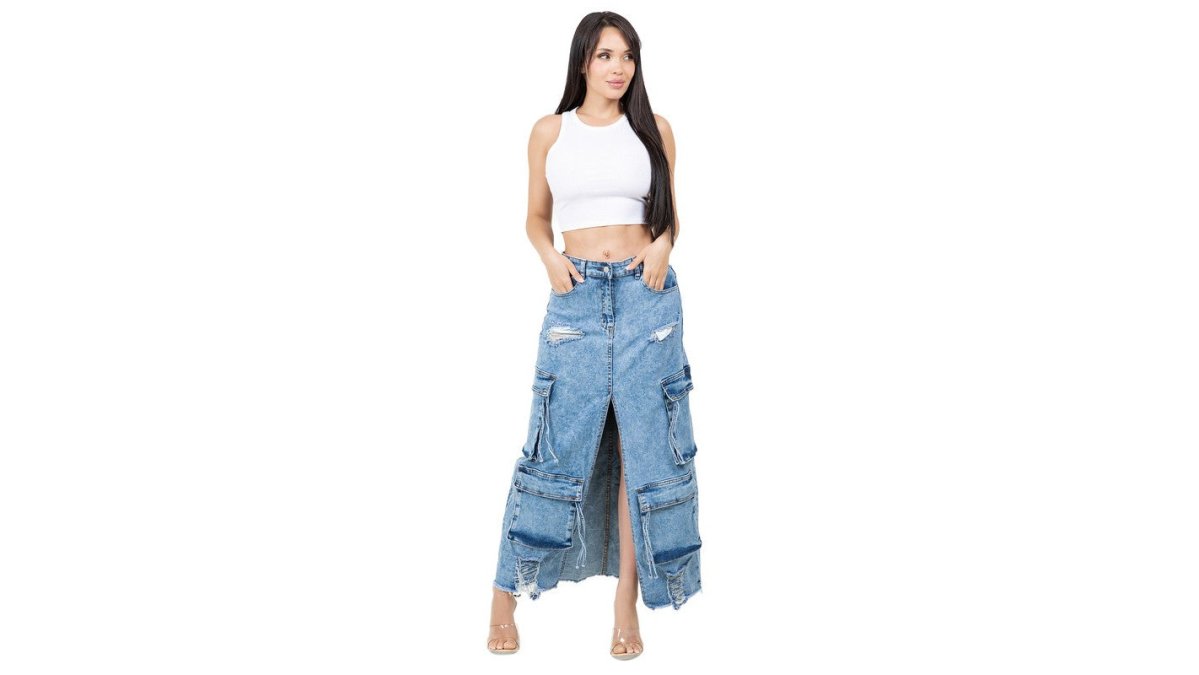
Start with five anchors:
- One pair of high-waisted flares. The RetroCurve™ Vintage Flare Bootcut Jeans cover casual days and dressier ones.
- Two vintage-style dresses. A Painted Floral Vintage Dress and a Wildflower Vintage Dress handle weddings, showers, and weekends.
- One smocked blouse. The Desert Flower Poet Collar Blouse layers over jeans or a maxi skirt.
- One denim maxi skirt. The Women Fashion Long Maxi Denim Skirt works year-round.
- One statement layer. The Western Luxe Fringed Ruana finishes fall and winter outfits.
Caring for Vintage Fabrics So They Last for Years
Vintage fabrics need gentler care than modern blends, and the failure points are different. A 1960s cotton dress does not wear out from washing, it wears out at the seams, the zipper, and the underarm. Knowing where older garments actually fail is what separates a piece you keep for a decade from one that falls apart in a season.
Fabric-by-Fabric Care
- Cotton and linen: hand-wash cold or use a delicate cycle, then air-dry flat. These fibers are sturdy but shrink with heat. Never machine-dry a vintage cotton piece that fits perfectly.
- Wool: spot-clean and air between wears. Wash rarely, by hand, in cold water with a wool-safe detergent, then dry flat, hanging wet wool stretches it permanently.
- Silk: hand-wash cold or dry-clean. Test any detergent on an inside hem first.
- Rayon and acetate (common in 80s and 90s pieces): these weaken when wet. Hand-wash gently and never wring. Acetate dissolves in acetone-based nail polish remover, so keep it away from your hands.
- Polyester (dominant in 70s boho): durable but holds odors and pills. Wash inside out in a mesh bag and air-dry.
- Elastic (waists, cuffs, slips): the number-one failure point in vintage. Heat destroys it, so always air-dry.
The Five Habits That Extend Garment Life
- Wash less often. Spot-clean between wears.
- Turn garments inside out before washing to protect prints and embroidery.
- Use mesh bags for anything with beading or delicate trim.
- Store wool and natural fibers away from direct sunlight.
- Repair small tears and loose buttons immediately, before they spread.
Basic Repairs You Can Do Yourself
You do not need a tailor for the four most common vintage failures:
- Loose or missing buttons: reattach with a button shank, a few wraps of thread between button and fabric, so the button sits above the fabric and does not strain the buttonhole.
- Split seams: turn the garment inside out and backstitch along the original seam line. Match thread color to the fabric, not the seam.
- Small holes in knits: use a duplicate stitch or a small felted patch on the inside. For moth holes in wool, a felted patch in a matching shade is nearly invisible.
- Failing elastic: replace waistband elastic by opening a small section of the casing, threading new elastic with a safety pin, and stitching the ends. This is the single repair that saves the most vintage pieces.
Storage That Prevents Damage
- Store knits folded, not hung, hangers stretch shoulders over time.
- Use padded hangers for structured dresses and jackets.
- Keep wool and silk in breathable cotton garment bags, not plastic, which traps moisture.
- Add cedar blocks or lavender sachets to deter moths. Check stored wool twice a year for larvae.
- Rotate stored pieces so nothing sits compressed for years.
Size-Inclusive Retro Sourcing: Where to Look and What to Skip
Size-inclusive retro sourcing means shopping shops that publish real measurements and carry extended sizes, not just vintage markets that stop at a modern medium. True vintage often runs small because the population was smaller and sizing was inconsistent. Modern vintage-inspired labels solve this by cutting new garments in retro shapes across a wider range.
Conclusion
Building a retro wardrobe outside fast fashion takes more thought than a single click, but the pieces last longer and cost less per wear. JazzySuSu curates vintage-inspired fashion, handpicked jewelry, and lifestyle finds designed for exactly that kind of wardrobe, with pieces made to be worn again and again and free shipping on orders over $100. Shop now and start building a retro closet you will actually keep.
Frequently Asked Questions
What can I wear instead of fast fashion if I love retro style?
Focus on pieces built to last: high-waisted flare jeans in a cotton-polyester blend, 1950s-inspired cotton dresses with functional details like pockets, and vintage-print blouses with structured collars. These items cost more per piece than fast fashion but deliver a lower cost-per-wear because they hold up over years, not washes. Look for natural fibers, reinforced seams, and construction details that signal quality craftsmanship.
How do I shop for vintage clothing online without getting burned?
Always check the size chart in centimeters or inches before ordering, since vintage sizing runs differently from modern sizing. Read the material composition and care instructions. Look for listings that show the actual garment on a body, not just flat-lay photos. Start with a single piece to test fit and quality before committing to a larger order. Free shipping thresholds, like orders over $100, can help offset the cost of trying a new brand.
What is the difference between retro-style and authentic vintage?
Authentic vintage means the garment was actually made decades ago. Retro-style means a new piece designed to evoke a past era, like a 1950s-inspired dress with a high neckline and full skirt made from new 100% cotton. Retro-style gives you the aesthetic without the sizing guesswork or wear-and-tear of true vintage, and it is often more size-inclusive because it follows modern size charts.
How can I build a retro wardrobe sustainably on a budget?
Start with three to five versatile pieces that mix and match: a floral vintage dress, high-waisted flare jeans, a smocked blouse, and one statement accessory like turquoise dangle earrings. These staples create multiple outfits across seasons. Check cost-per-wear rather than sticker price. A $68.99 pair of jeans worn twice a week for two years costs pennies per wear, while a $15 fast-fashion pair worn five times does not.
Is buying retro-style clothing better for the environment than fast fashion?
Yes, when the pieces are made to last. Fast fashion relies on throwaway culture, with garments designed for a handful of wears before they lose shape or fall apart. Retro-style pieces made from natural fibers like cotton, with quality craftsmanship such as reinforced seams and functional closures, stay in your wardrobe longer. That reduces textile waste and the carbon emissions tied to constant replacement shopping.