
Is Vintage-Inspired Clothing Worth It in 2026?
Table of Contents
- Vintage-Inspired Clothing vs. Fast Fashion: What's the Real Difference?
- Quality and Durability: Does Vintage-Inspired Clothing Actually Last?
- Sustainability and Ethical Manufacturing in Vintage Reproduction Brands
- Cost-Per-Wear: Calculating the Real Value
- How to Style Vintage-Inspired Clothing for Modern Wardrobes
- Sizing, Fit, and Authenticity: What to Watch For
- Resale Value and Investment Potential
- Conclusion: Is It Worth Your Money?
Last Updated: August 15, 2026
Vintage-Inspired Clothing vs. Fast Fashion: What's the Real Difference?
Vintage-inspired clothing occupies a distinct middle ground between authentic vintage pieces and fast fashion. True vintage items are original garments from past decades, often one-of-a-kind. Vintage reproduction pieces are newly manufactured garments designed to evoke the aesthetic, silhouette, and design details of a specific era using modern construction techniques and materials.
Fast fashion prioritizes speed and cost, with garments hitting racks within weeks of design. Vintage-inspired clothing operates differently, designed for longevity through superior garment construction and textile quality. This encourages a different relationship with your wardrobe: buying fewer pieces but wearing them repeatedly over years, which fundamentally changes the cost-per-wear economics.
At JazzySuSu, the curation philosophy reflects this difference. Each piece is selected for its ability to be worn repeatedly, not for its moment-in-time trendiness.
Quality and Durability: Does Vintage-Inspired Clothing Actually Last?
A well-made reproduction piece genuinely lasts years, while fast fashion equivalents typically show visible wear within months.
Garment Construction and Textile Quality
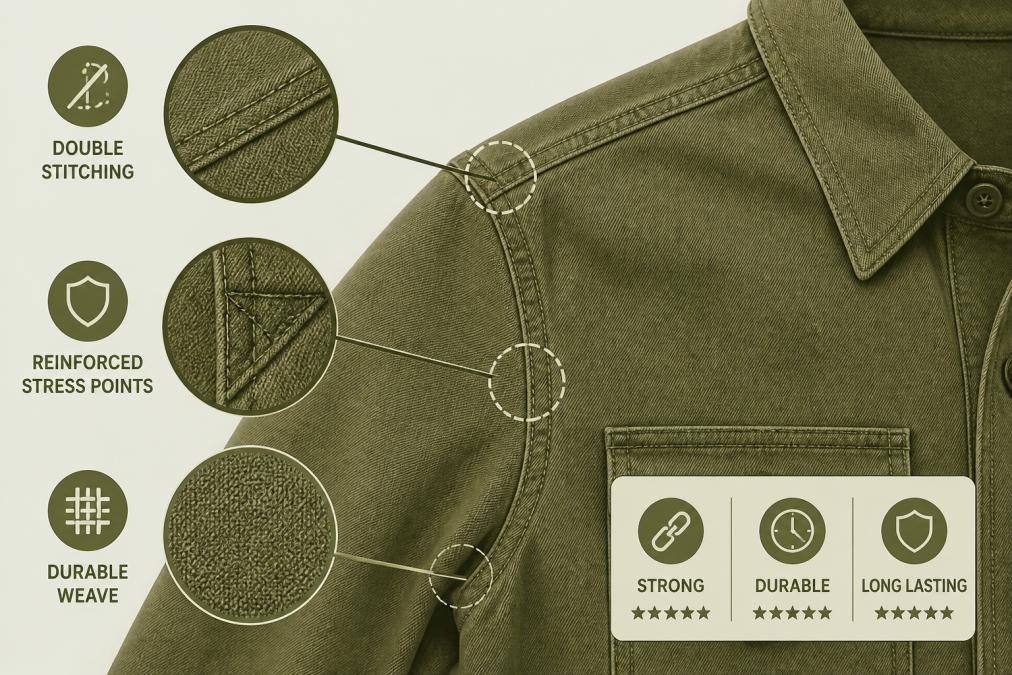
Quality reproduction garments use reinforced seams with double-stitching at stress points like underarms and side seams. The thread count is higher and stitching density is tighter, replicating construction methods that made original pieces last decades.
Fast fashion cuts corners everywhere: single-stitched seams split after repeated washing, hems unravel, zippers fail, and buttons come loose. Vintage reproduction brands replicate historical construction standards because that's what made those original pieces durable.
Natural fiber content directly impacts durability. A vintage-inspired dress made from 100% cotton or linen behaves differently than one made from polyester blends. Natural fibers are more resilient, breathe better, and require less frequent washing, which is the primary accelerator of fabric breakdown.
Natural Fibers vs. Synthetic Blends
Natural fibers like cotton, linen, wool, and silk have been proven over centuries to withstand repeated wear and washing. They soften with age rather than deteriorate. A linen shirt from the 1950s often looks better than a new polyester equivalent after a single season.
Synthetic blends degrade differently. Polyester fibers break down under UV exposure and repeated friction. Elastic loses stretch. Synthetic dyes fade faster. After two or three years of regular wear, synthetic-heavy garments look tired in ways natural fiber pieces don't.
Vintage reproduction brands prioritizing durability lean toward natural fiber content. This increases material costs, but it's why they last. The cost difference reflects actual material quality and expected lifespan.
Sustainability and Ethical Manufacturing in Vintage Reproduction Brands
A piece worn for five years has one-fifth the environmental impact per wear compared to a piece worn for one year. Ethical production typically means better working conditions, lower chemical usage in dyeing and finishing, and more careful material sourcing.
By creating new garments that honor the design principles and construction methods of past eras, vintage reproduction brands extend the lifespan of design itself. You're investing in pieces that remain stylistically relevant because they're based on timeless silhouettes, not chasing trends that become obsolete in months.
Transparency matters when evaluating sustainability. Brands that clearly communicate manufacturing locations, material sourcing, and production practices are more trustworthy. When assessing whether vintage-inspired clothing is worth your money, the brand's commitment to ethical manufacturing should factor into your decision.
Cost-Per-Wear: Calculating the Real Value
Cost-per-wear is straightforward: divide the price by the number of times you'll wear it before it's no longer wearable.
A fast fashion dress costing $30 worn 10 times has a cost-per-wear of $3. A vintage-inspired dress costing $85 worn 100 times has a cost-per-wear of $0.85. The math shifts dramatically when you account for actual longevity.
Most people underestimate how many times they'll wear a quality piece. A well-made garment that fits well and works with your existing wardrobe gets worn far more frequently than predicted. That vintage-inspired slip dress works with sneakers for casual days, with heels for events, with a blazer for professional settings.
When fast fashion pieces fall apart, you buy replacements. When vintage-inspired pieces show minor wear, repairs are worth doing because they're well-constructed. A button replacement, hem repair, or seam reinforcement costs a fraction of replacing the entire garment.
Brands like JazzySuSu curate pieces specifically for longevity and versatility, selecting garments designed to be worn repeatedly. That intentional curation reduces the likelihood of purchasing something that sits unworn.
How to Style Vintage-Inspired Clothing for Modern Wardrobes
Vintage-inspired pieces are inherently distinctive in ways that create more interesting, intentional wardrobes.
Building Capsule Wardrobe Staples
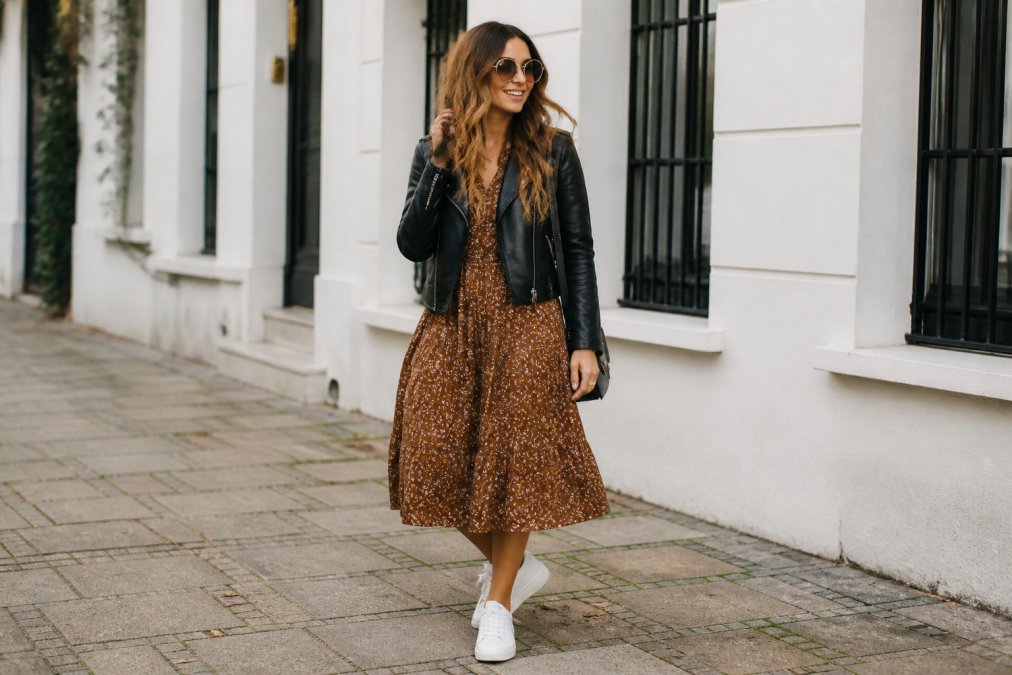
Treat vintage-inspired clothing as capsule wardrobe foundations, a small collection of versatile pieces that work together across multiple outfit combinations. A well-fitted slip dress, structured blouse, or tailored trousers with period-accurate silhouette serve as anchors for countless outfits.
Choose pieces based on silhouette rather than print or pattern. A vintage reproduction dress with a timeless A-line silhouette works across decades of styling. Pair it with contemporary sneakers for casual days, heels and a modern blazer for professional settings, or a denim jacket for weekends.
Building a capsule wardrobe around vintage-inspired pieces requires intentionality. Select garments that share a color palette, work with pieces you already own, and offer multiple styling possibilities. This naturally limits impulse purchases and encourages you to wear what you buy.
Mixing Periods and Prints
Vintage-inspired clothing doesn't require a fully vintage aesthetic. The most compelling modern wardrobes blend vintage reproduction pieces with contemporary items. A 1950s-inspired blouse works perfectly with modern jeans. A 1970s dress pairs beautifully with current-season sneakers and a contemporary blazer.
Vintage-inspired prints often feel fresher than contemporary fast fashion prints because they're based on historical design archives. A 1970s floral print or 1940s geometric pattern carries inherent visual interest. Mixing these with solid contemporary pieces creates balanced outfits that feel intentional.
Sizing, Fit, and Authenticity: What to Watch For
Historical garment sizing differs from modern sizing. A dress labeled size 8 from the 1950s is not equivalent to a modern size 8. Understanding these differences is essential to avoiding fit disappointment.
Quality vintage-inspired brands provide extensive sizing information. They understand that fit is crucial to whether a piece actually gets worn. Detailed measurements, fit descriptions, and customer reviews addressing sizing are signs of a brand committed to accuracy.
Authenticity in reproduction means faithful representation of the era's design principles, silhouettes, and construction methods. A vintage-inspired 1970s dress doesn't need to use 1970s-era synthetic fibers to be authentic; using modern natural fibers that better suit contemporary wearing and care standards is a reasonable compromise.
Resale Value and Investment Potential
Quality vintage reproduction pieces retain value and can be resold for a meaningful percentage of the original purchase price. Fast fashion pieces depreciate rapidly, while vintage-inspired clothing appreciates in perceived quality and desirability as it ages.
A well-made vintage reproduction dress from five years ago often looks better than a new fast fashion equivalent. These pieces become more valuable on resale markets as people increasingly seek quality over newness.
Brands that maintain consistent design aesthetics and quality standards see their pieces appreciate in value over time.
Conclusion: Is It Worth Your Money?
Vintage-inspired clothing is worth the investment if you approach it strategically. Quality construction, natural fibers, timeless silhouettes, and ethical manufacturing practices create pieces that last years rather than months. The cost-per-wear math becomes compelling when you account for actual longevity.
The primary risk is purchasing pieces that don't fit your lifestyle or that you don't actually wear. Research sizing carefully. Understand how a piece will work with your existing wardrobe. Read customer reviews addressing fit and wearability.
JazzySuSu's curation approach mitigates this risk by selecting pieces specifically for versatility and wearability. The collection prioritizes garments designed to be worn repeatedly. Free shipping on orders over $100 removes one barrier to trying multiple pieces and building a cohesive collection.
Vintage-inspired clothing represents a fundamentally different approach to fashion economics. You're investing in pieces built to last, designed with timeless silhouettes, and manufactured with attention to construction quality. If you'll wear these pieces repeatedly over years, the investment pays for itself through cost-per-wear economics. Shop with intention, choose pieces that work with your existing wardrobe, and you'll find that quality vintage reproduction clothing delivers genuine value that fast fashion simply cannot match.
Frequently Asked Questions
What is the difference between vintage and vintage-inspired clothing?
Vintage refers to authentic garments from previous decades, typically 20+ years old. Vintage-inspired clothing reproduces the aesthetic, silhouette, and design details of past fashion eras using modern manufacturing. Vintage-inspired pieces offer the heritage look without the uncertainty of finding authentic items. Many people prefer reproduction garments because they're new, sized for contemporary bodies, and often made with improved durability while maintaining period-accurate aesthetics.
Is vintage-inspired clothing better quality than fast fashion?
Quality varies, but well-made vintage-inspired pieces typically outlast mass-produced fast fashion by years. The difference lies in garment construction: vintage-inspired brands often use natural fibers, reinforced seams, and attention to design details that resist wear. Fast fashion prioritizes volume over durability, using thinner synthetics and minimal stitching. Cost-per-wear favors vintage-inspired items, a $60 piece worn 100 times costs $0.60 per wear, versus a $20 fast fashion item worn 10 times costing $2 per wear.
Are vintage reproduction brands worth the money?
Vintage reproduction brands justify higher prices through ethical manufacturing, quality control, and sustainable practices. Unlike mass-produced alternatives, these brands invest in proper tailoring, natural fiber sourcing, and fair labor standards. While pricing depends on the brand and specific piece, the investment pays off through longevity and versatility. These items work as wardrobe staples across seasons, reducing the need for constant replacements and supporting slower, more intentional consumption habits.
How do I know if vintage-inspired clothing will actually fit me?
Sizing challenges exist because vintage-inspired garments often use period-accurate silhouettes that differ from modern cuts. Before purchasing, check detailed size charts and compare measurements to pieces you already own. Read customer reviews for fit feedback, many retailers note whether items run small, large, or true to size. Look for brands offering straightforward return policies so you can try pieces risk-free. Quality vintage-inspired retailers provide clear sizing guidance and accept returns, making it easier to find your correct fit.
This article was written using GrandRanker