
Vintage Clothing Shop Near Me: Your 2026 Style Guide
Table of Contents
- What to Look for in a Vintage Clothing Shop Near Me
- How to Style Vintage Clothing for Modern Wardrobes
- Vintage Clothing Authentication Tips: Spotting Real vs. Reproduction
- Vintage Clothing Care Guide: Making Your Finds Last
- Era-Specific Fashion: What to Hunt for in Every Decade
- The JazzySuSu Difference: Curated Vintage-Inspired Finds
- Conclusion: Building a Timeless Wardrobe
- Frequently Asked Questions
Last Updated: September 16, 2026
What to Look for in a Vintage Clothing Shop Near Me
Searching for a vintage clothing shop near me usually returns a wall of directory listings with no real guidance. This guide from JazzySuSu takes a different approach: we treat vintage clothing as a curation problem, not a scavenger hunt.
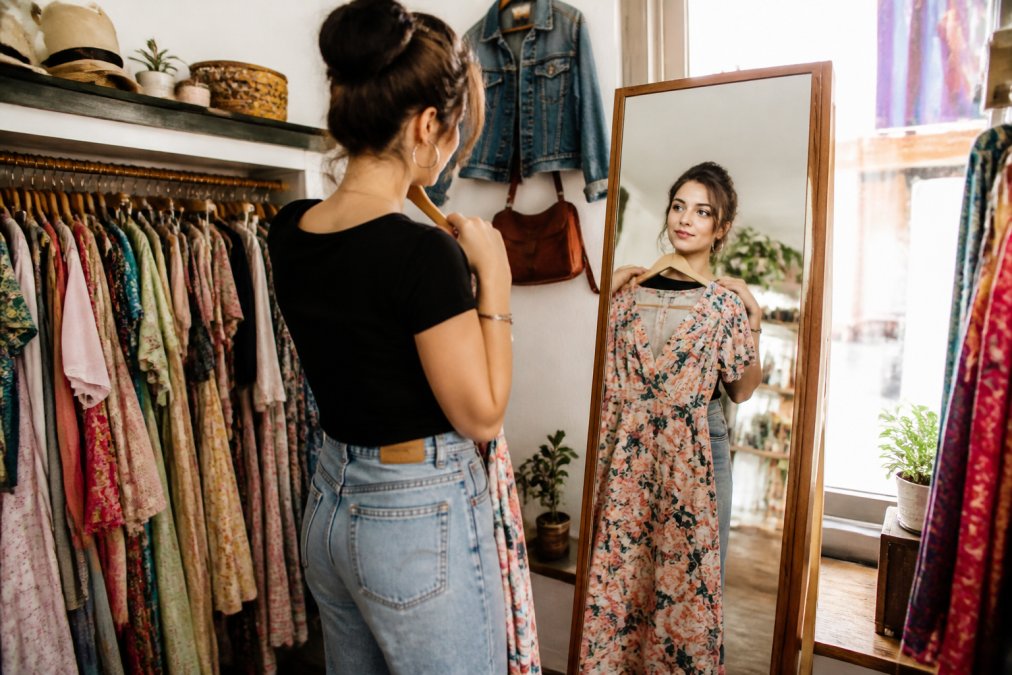
- Condition grading published on the tag, not negotiated at checkout
- Era labels on the rack, so you can shop a decade at a time
- Dated new arrivals, not vague "fresh stock" claims
- Fitting room access and a return policy you can read
How to Style Vintage Clothing for Modern Wardrobes
Styling vintage clothing for modern wear comes down to one rule: anchor the era piece with current basics. A 1970s bootcut jean reads contemporary when paired with a plain fitted tee and clean sneakers. The same jean with a matching era blouse reads costume.
Wardrobe staples that make vintage wearable daily:
- A high-waisted flare jean, like the RetroCurve Vintage Flare Bootcut Jeans, which carries a 70s silhouette without looking dated
- A single structured blazer in a neutral tone
- Modern footwear, which updates almost any retro piece instantly
| Vintage Piece | Modern Anchor | Result |
|---|---|---|
| 70s flare jeans | Fitted tee, clean sneakers | Everyday casual |
| 50s full-skirt dress | Ankle boots, minimal jewelry | Office-appropriate |
| 80s oversized blazer | Slim trousers, plain tank | Sharp and current |
| 90s slip dress | Chunky knit, white sneakers | Relaxed weekend |
Vintage Clothing Authentication Tips: Spotting Real vs. Reproduction
Vintage clothing authentication tips start with the label, but the label is only the first of five checks. Most guides stop at three. This one walks through all five, then shows you how to grade condition so you do not overpay for a piece that will not survive a season.

Check 1: The Label Stack
A genuine piece usually carries a brand label, a fiber-content tag, and often a care tag with a country of origin. Reproduction garments frequently skip one of the three, or print all three on a single modern tag. Look at the stitching on the label itself, older labels were often hand-set with a single row of stitching, while modern reproductions use a tight serged edge.
Check 2: Construction Tells
Older garments tend to have wider seam allowances, metal zippers, and hand-finished hems. Modern reproductions use serged edges and plastic zippers almost universally. Check the inside of the side seam, a serged edge with a tight overlock stitch is a strong signal of modern production. A pinked or bound seam is a strong signal of vintage.
Check 3: Fabric Hand
Deadstock wool, silk, and heavy cotton feel denser than modern equivalents. If a "vintage" piece feels thin and uniform, it is likely new production styled to look old. Rub the fabric between your fingers, vintage wool has a slight tooth, while modern blends feel slick.
Check 4: Hardware and Fasteners
Metal zippers with branded pulls (Talon, YKK, Scovill) are a strong vintage signal. Plastic zippers with molded teeth are almost always modern. Buttons tell a similar story, vintage buttons are often glass, bone, or metal, while reproductions use resin or plastic.
Check 5: Condition Grading
This is the step most guides skip, and it is the one that determines whether you overpay. Ask the shop how it defines its grades. A common pattern is:
- Mint / Deadstock: Never worn, original tags attached, no flaws.
- Excellent: Worn but no visible flaws, all original hardware intact.
- Good: Minor wear, small spots, slight fading, or a replaced button, disclosed on the tag.
- As-Is: Visible flaws, sold for repair or costume use, priced accordingly.
Price Tiers: What You Should Actually Pay
- Thrift tier: Under $25. Mass-produced pieces from the 80s and 90s, often with minor flaws. Good for everyday wear and experimentation.
- Curated tier: $25-$150. Cleaned, graded, and often era-labeled. This is where most shoppers should focus.
- Collector tier: $150 and up. Designer labels, rare eras, deadstock condition. Buy only if you know the market for that specific label.
Federal Trade Commission guidance on textile labeling and country-of-origin claims
Vintage Clothing Care Guide: Making Your Finds Last
A vintage clothing care guide matters more than most buyers expect, because older textiles were not built for modern washing machines. Cold water, gentle detergent, and air drying cover most pieces.
- Cold water and gentle detergent for washables
- Hand wash structured or beaded pieces
- Air dry flat, never tumble
- Padded hangers for tailoring, flat folds for knits
Era-Specific Fashion: What to Hunt for in Every Decade
Era-specific fashion hunting works best when you know what each decade actually produced well, and what it produced poorly. Most guides list silhouettes. This one tells you what to pick up, what to leave on the rack, and why.
Painted Floral Vintage Dress →
The 1950s: Full Skirts and Cotton Day Dresses
The 1950s delivered full-skirt silhouettes, high necklines, and cotton day dresses that hold up decades later. The strongest buys are cotton and linen day dresses with metal zippers and bound seams. The weakest buys are anything with rubberized elastic at the waist, that elastic has usually given out, and replacing it costs more than the dress.
The 1960s: Wool Coats and Mod Shift Dresses
Outerwear from the 60s and 70s, particularly wool coats, tends to outlast modern equivalents because the fabric was heavier. Look for coats with a full lining, a metal zipper or covered buttons, and a label that names the mill. Shift dresses in heavy wool crepe are the other strong category, they hold shape and resist pilling.
The 1970s: The Best Decade for Denim
The 1970s remain the strongest decade for denim, which is why bootcut and flare cuts keep returning. The tells of a good 70s jean: a high rise (10 inches or more), a metal zipper, and a selvedge or heavy cotton denim that feels stiff, not stretchy. If the denim has any spandex content, it is almost certainly a modern reproduction.
The 1980s: Blazers, Statement Accessories, and Bold Shoulders
The 1980s gave oversized blazers and bold shoulders. The best 80s buys are wool or wool-blend blazers with structured shoulders and a full lining. The worst buys are polyester blouses, the fabric traps odor and rarely releases it, even after professional cleaning.
The 1990s: Slip Dresses, Minimal Denim, and Grunge Layering
The 1990s contributed slip dresses, minimal denim, and grunge layering. The strongest 90s buys are silk or rayon slip dresses with adjustable straps and a bias cut. The weakest buys are early fast-fashion knits, the fabric is thin, the seams are serged, and the piece rarely survives more than a season.
A Quick Era-to-Value Map
| Decade | Best Buy | Skip |
|---|---|---|
| 1950s | Cotton day dresses, full skirts | Rubber-elastic waists |
| 1960s | Wool coats, mod shift dresses | Early acrylic knits |
| 1970s | Rigid denim, suede jackets | Anything with spandex |
| 1980s | Wool blazers, signed jewelry | Polyester blouses |
| 1990s | Silk slip dresses, rigid denim | Stretch knits |
The JazzySuSu Difference: Curated Vintage-Inspired Finds
JazzySuSu builds vintage-inspired pieces designed to be worn repeatedly, not retired after one season. Our Painted Floral Vintage Dress and Wildflower Vintage Dress both use 100% cotton and a classic 1950s silhouette with a high neckline, full skirt, and hidden side pockets. Both are made in the USA and run true to size.


Conclusion: Building a Timeless Wardrobe
The hard part of building a timeless wardrobe is not finding vintage pieces. It is knowing which ones will still work in five years and which are just a trend with a good label.
Frequently Asked Questions
What should I look for when shopping at a vintage clothing shop near me?
Check the garment's construction first: inspect seams, zippers, and buttons for quality. Look for union labels or brand tags that indicate era. Feel the fabric for wear, thinning, or stains. Ask about return policies, especially for online vintage clothing shops. A reputable shop will disclose flaws and provide measurements. JazzySuSu lists exact sizing and materials for every piece, so you know what you're getting before you buy.
How can I tell if a garment is truly vintage?
Start with the label. Union-made tags, older brand names, and care instructions without modern symbols suggest pre-1980s pieces. Check zippers: metal zippers often indicate pre-1970s, while plastic zippers became common later. Look at stitching: older garments often have pinked or serged seams. For vintage clothing authentication tips, examine fabric content. Polyester blends became widespread in the 1970s. When in doubt, ask the seller for provenance or era details.
What is the difference between thrifted and vintage clothing?
Thrifted clothing refers to any secondhand item, regardless of age. Vintage clothing is typically at least 20 years old and represents a specific era. Thrift stores sell a mix of modern and old pieces, while vintage boutiques curate by decade and condition. Vintage pieces often have historical significance or unique design details not found in fast fashion. Shopping at a vintage clothing shop near me means access to curated, era-specific inventory rather than random donations.
How do I care for vintage clothing to make it last?
Follow a vintage clothing care guide: hand wash delicate fabrics in cold water with mild detergent, or dry clean structured pieces. Store items on padded hangers or folded in acid-free tissue. Keep them out of direct sunlight to prevent fading. Rotate your wardrobe to avoid stress on seams. For cotton dresses like JazzySuSu's Painted Floral Vintage Dress, machine wash cold on gentle and hang dry. Always test a small area first when treating stains.